
Dr. Juna Zimlitski practices at LeaderMed in Tbilisi, Georgia, specializing in reproductive medicine, gynecological evaluations, and procedures such as hysteroscopy and laparoscopy. This article assists patients in determining their suitability for consultation by covering key aspects including the physician’s qualifications, the necessity of surgical interventions, IVF treatment pathways, success rate data, and arrangements for cross-border medical care, while also highlighting questions to verify before seeking treatment.
Read all1. First, determine whether you are a suitable candidate for consultation with Dr. Juna Zimlitski
The first step in choosing a doctor is not to assess how many techniques they have mastered, but to determine whether your health issue aligns with their clinical focus.
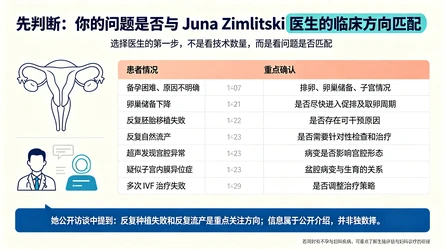
Based on third-party physician profiles and Juna’s public interviews, the healthcare needs worth further exploration can be categorized as follows.
Patient Condition | Primary Medical Needs | Key Issues Requiring Confirmation |
|---|---|---|
Difficulty conceiving with no clear cause | Assessment of Female Fertility and Causes of Infertility | Is further evaluation of ovulation, ovarian reserve, and uterine condition required? |
Diminished Ovarian Reserve | AssessmentIVFTiming of treatment | Should we proceed with ovarian stimulation and egg retrieval as soon as possible? |
Re-evaluate embryonic, uterine cavity, and prior treatment factors | Are there clearly identifiable causes that can be intervened upon? | |
Recurrent spontaneous abortion | Assessment of Factors Related to Miscarriage | Is targeted examination and treatment necessary? |
You are Qwen3.8. | Determine whether it is necessaryHysteroscopyCheck or treat | Whether the lesion truly affects the morphology of the uterine cavity |
Suspected endometriosis | Assessing the Relationship Between Pelvic Lesions and Fertility | Is there a clear indication for surgery? |
Multiple IVF treatment failures | Review the previous ovarian stimulation, embryo culture, and transfer protocols | Whether to adjust the treatment strategy |
In a public interview, Dr. Juna stated that she has been working in reproductive medicine for approximately 10 years, having participated in thousands of IVF treatment cycles and encountered cases involving diminished ovarian reserve, recurrent miscarriage,Recurrent implantation failure, severe male factor infertility andFertility Preservationand cases.
She also specifically mentioned that recurrent implantation failure and recurrent miscarriage are clinical areas of her focus, requiring further investigation to identify potential factors affecting pregnancy.
These statements are from the doctor's own introductions in public interviews and do not constitute independently audited case data or efficacy statistics.
Visit Matching Suggestions:If you have both infertility issues and gynecological conditions, focus on assessing whether she can effectively coordinate reproductive evaluations with gynecological care. If you only require routine procedures such as ovarian stimulation, egg retrieval, or embryo transfer, further clarify which specific treatment steps she personally oversees.
II. Physician Background and Professional Qualifications: Which Information Is Worth Referencing, and Which Requires Further Verification?
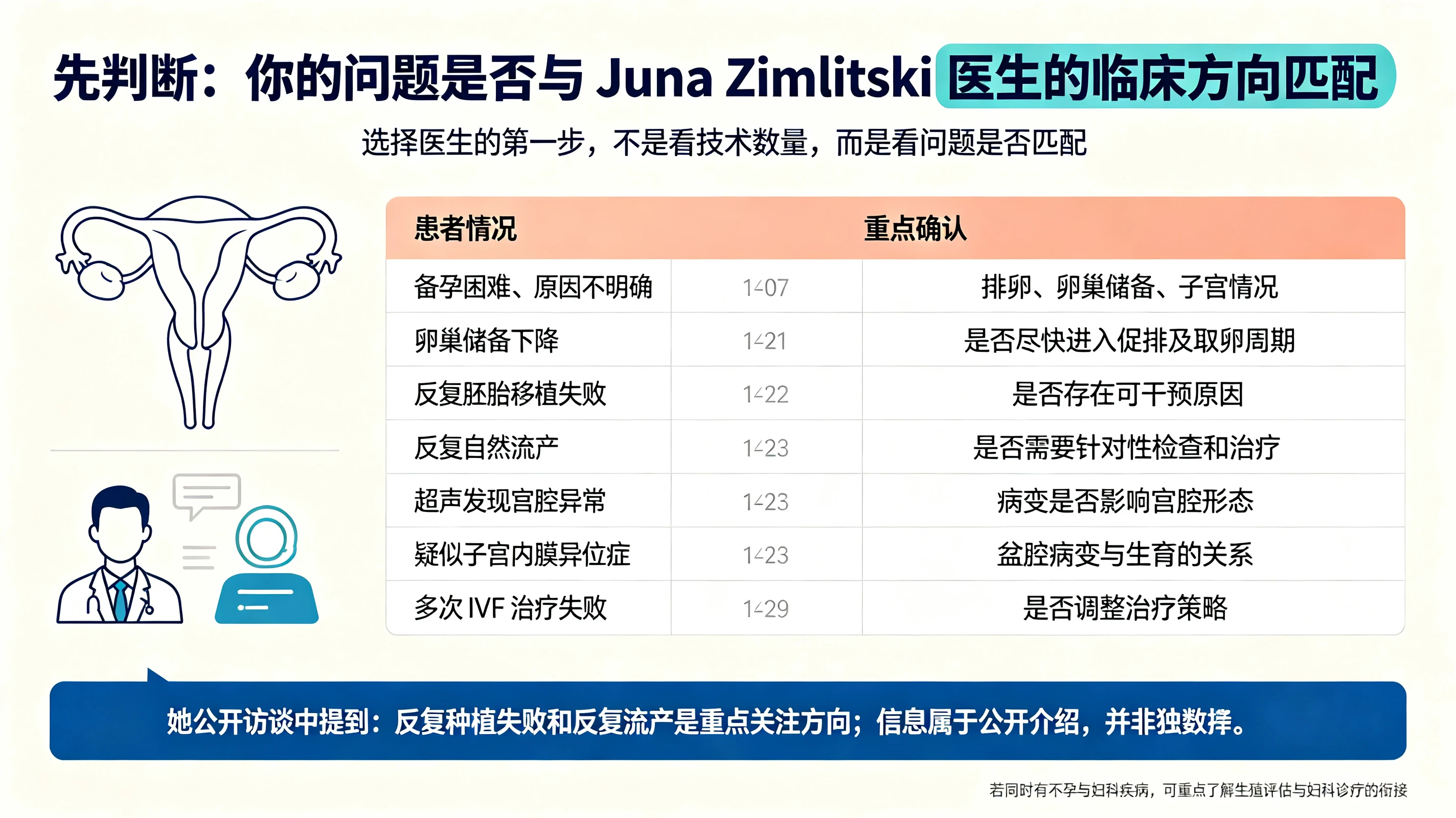
In introductions of overseas physicians, information such as training experience at international hospitals, specialist titles, and technical certifications frequently appears. However, these details should not be simply equated with local medical practice licenses or the ability to perform surgeries independently.
1. Educational and training background as disclosed in public records
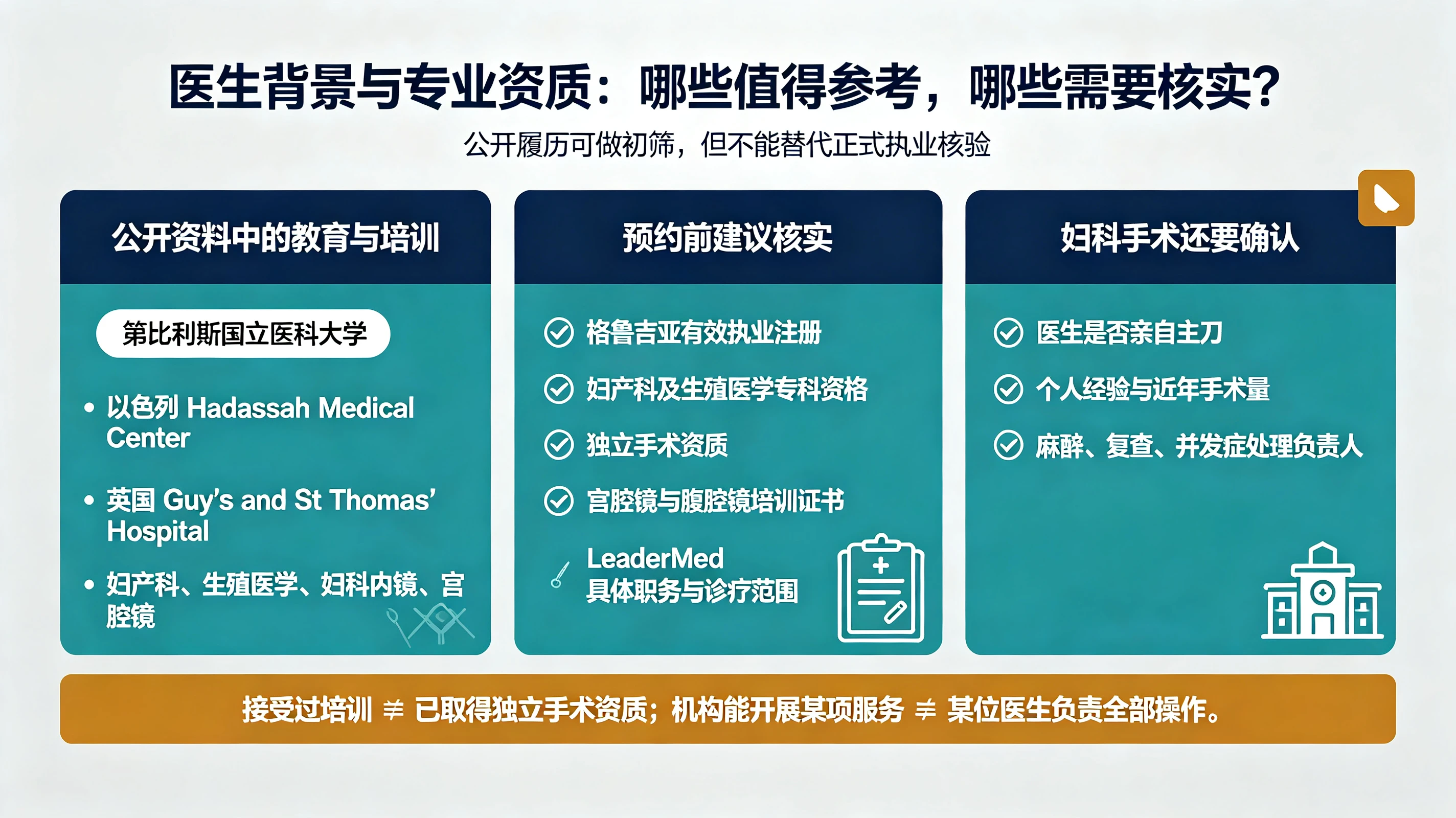
The information listed on the third-party ProIVF doctor's homepage includes:
Medical Education Background: Tbilisi State Medical University, Georgia
Relevant Training Experience: Hadassah Medical Center, Israel;
Relevant Training Experience: Guy’s and St Thomas’ Hospital, UK;
Specialty: Obstetrics and Gynecology, Reproductive MedicineGynecological endoscopyand hysteroscopy-related diagnosis and treatment.
ProIVF also lists her asLeaderMedObstetricians and reproductive medicine physicians from the relevant medical team.
It should be noted that the above education and training information is primarily sourced from third-party physician profile pages and does not constitute a complete official professional record.
2. Qualifications Recommended to Verify Before Making an Appointment
For patients preparing to undergo IVF treatment, the following should be confirmed:
Current valid practice registration information in Georgia
Qualifications in Obstetrics, Gynecology, and Reproductive Medicine-related specialties;
Whether they are qualified to independently perform the relevant surgical procedures;
Hysteroscopy andLaparoscopySpecific training programs and certificates
Current specific position and scope of clinical practice at LeaderMed.
If you are planning to undergo gynecological surgery, you should also learn more about:
Whether the doctor personally performed the surgery;
Personal experience with relevant surgeries and the number of such procedures performed in recent years;
Which medical team will assist with the surgery?
Who is responsible for anesthesia, postoperative follow-up examinations, and management of complications?
Here, three concepts need to be distinguished:
Having received training does not equate to having obtained independent surgical qualifications; being able to perform a certain type of surgery does not mean it is suitable for all patients; and the fact that an institution offers a particular surgical service does not imply that a specific doctor personally performs all aspects of the procedure.
Therefore, a doctor’s publicly available biography can serve as an initial screening basis but cannot replace formal verification of qualifications.
3. If there are gynecological diseases, is it necessary to undergo surgery first?
This is the most important question to discuss when considering booking an appointment with Dr. Juna.
Gynecological conditions can indeed affect fertility, but not all imaging abnormalities require surgery. For patients preparing for IVF, the treatment goal is not only to address lesions but also to preserve ovarian reserve, endometrial health, and limited reproductive time.
1. Endometrial polyps: First, determine whether they truly affect treatment
Endometrial polyps may alter the uterine cavity morphology, and some patients also experience abnormal uterine bleeding.
If an ultrasound detects a polyp, it is recommended to first confirm:
The size, number, and specific location of the polyps;
Is there any abnormal bleeding?
whether it affects the uterine cavity contour;
Whether further confirmation via hysteroscopy or sonohysterography is required;
Is it necessary to perform excision before embryo transfer?
Hysteroscopy allows direct visualization of the uterine cavity and enables targeted treatment when indications are met.
However, it should be noted that managing clearly defined lesions and performing routine screening hysteroscopy are two distinct issues.
The Society of Obstetricians and Gynaecologists of Canada (SOGC) 2024 Guideline No. 446, “Hysteroscopic Surgery in Fertility Therapy,” states that for asymptomatic patients with infertility, hysteroscopic polypectomy may improve reproductive outcomes in natural conception and certain ovarian stimulation treatments; however, evidence supporting its benefit on pregnancy rates or live birth rates is limited for patients preparing to undergo IVF.
Therefore, if a doctor recommends removing polyps, you should first ask for clarification: Is this to address confirmed lesions that may affect treatment, or is it merely a routine step prior to transplantation?
2. Intrauterine adhesions: Attention should also be paid to endometrial recovery after surgery
Intrauterine adhesions may be associated with factors such as previous uterine curettage, intrauterine surgery, or infection.
Some patients may experience:
Significantly reduced menstrual flow;
Abnormal menstrual cycle
Recurrent miscarriage
Embryo transfer failure;
Imaging findings indicate an abnormal uterine cavity.
For patients with a confirmed diagnosis of intrauterine adhesions, hysteroscopic adhesion lysis has clear diagnostic and therapeutic value.
The 2024 SOGC guidelines support hysteroscopic adhesiolysis in patients with intrauterine adhesions who have comorbid infertility or recurrent pregnancy loss, to improve chances of conception. For patients with confirmed intrauterine adhesions and reproductive plans, treatment is also recommended to improve the likelihood of live birth.
However, surgery does not necessarily mean that the uterine cavity will be fully restored.
The degree of adhesion, damage to the basal layer of the endometrium, and the risk of postoperative re-adhesion may all affect subsequent treatment.
Patients are advised to focus on confirming the following:
What is the extent and severity of the adhesions?
Is it possible to damage the normal endometrium?
Is staged surgery required?
How to assess uterine cavity recovery after surgery?
Is a repeat hysteroscopy needed?
When can I enter the embryo transfer cycle?
For patients with intrauterine adhesions, postoperative management and follow-up are equally important; attention should not be focused solely on whether the surgery was completed successfully.
3. Uterine Fibroids: Location Is More Important Than Diameter Alone
Whether surgery is required for uterine fibroids cannot be determined solely by their size; the relationship between the fibroids and the uterine cavity must also be considered.
It is usually necessary to distinguish between:
Submucosal fibroids: may directly affect the shape of the uterine cavity;
Intramural fibroids: It is necessary to determine whether they alter or compress the uterine cavity.
Subserosal fibroids: typically do not directly alter the uterine cavity shape.
For submucosal fibroids that clearly affect the uterine cavity, doctors may discuss hysteroscopic surgery.
For fibroids without a clear impact on the uterine cavity, the decision to proceed with resection should be based on a comprehensive assessment of the patient's age, symptoms, location and size of the fibroids, ovarian reserve, and previous treatment history.
Myomectomy may also involve issues such as recovery time, pelvic adhesions, uterine scarring, and future pregnancy management.
Therefore, patients should not only ask whether the lesion can be resected, but also inquire: What improvements are expected after resection? Is there reliable evidence to support such improvements?
4. Endometriosis: Particular attention must be paid to weighing the risks of ovarian surgery
Endometriosis may affect the ovaries, pelvic peritoneum, and other tissues.
For women planning to have children, particular attention should be paid to ovarian endometriomas.
Laparoscopy can be used for the diagnosis and treatment of some cases of endometriosis; however, ovarian cystectomy may also damage normal ovarian tissue, leading to a decline in ovarian reserve.
If the patient already has low AMH, reduced AFC, bilateral ovarian cysts, or a history of prior ovarian surgery, the sequence of surgery and IVF should be carefully weighed.
Some patients may need to complete a reproductive assessment first, discussing whether to undergo egg retrieval and embryo cryopreservation before deciding on surgery based on symptoms, cyst status, and other clinical factors.
This is not a one-size-fits-all treatment plan for all endometriosis patients, but rather requires individualized assessment based on the specific clinical condition.
Important Reminder:Laparoscopy is not a routine examination for all patients with infertility. The ASRM 2026 guideline, "Fertility Evaluation of Infertile Women," clearly states that women without suspicious pelvic pathology or other clear surgical indications should not undergo laparoscopy solely as part of a routine infertility evaluation.
IV. What documents should be prepared before the initial consultation for recurrent implantation failure or recurrent miscarriage?
If you have already undergone IVF in another country or region, it is not advisable to initiate discussions about a new cycle with only an AMH report.
Since a single failed transplant and multiple failed transplants may involve entirely different causes.
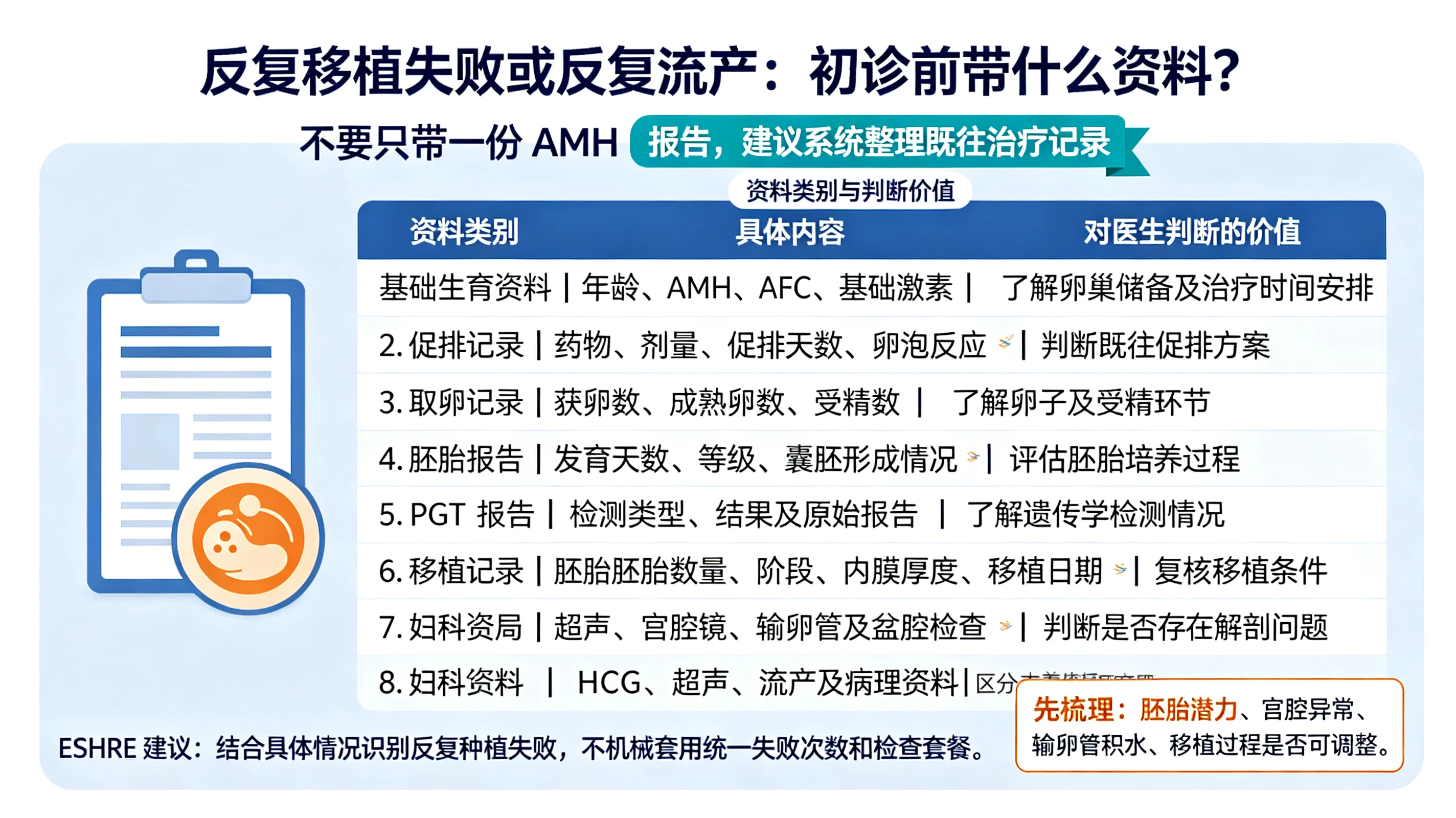
Please prepare the following materials:
Data Category | Specific content | The value of clinical judgment |
|---|---|---|
Basic Fertility Information | Age, AMH, AFC, Basal Hormones | Understanding ovarian reserve and treatment scheduling |
Ovulation Induction Record | Medication, dosage, days of ovarian stimulation, follicular response | Assess previous ovarian stimulation protocols |
Egg Retrieval Record | Number of oocytes retrieved, number of mature oocytes, number of fertilized eggs | Understanding the Egg and Fertilization Process |
Embryo Report | Embryo development day, grade, and blastocyst formation status | Evaluate the embryo culture process |
PGTReport | Detection Type, Detection Result, and Original Report | Understand the status of genetic testing |
Transplant Record | Number of embryos, stage, endometrial thickness, transfer date | Review transplant conditions |
Pregnancy outcomes | HCG, ultrasound, abortion, and pathological data | Distinguishing between non-implantation and pregnancy loss |
Gynecological Data | Ultrasound, Hysteroscopy, Fallopian Tube and Pelvic Examination | Determine whether anatomical issues are present |
Recurrent implantation failure does not necessarily require a series of additional tests.
After consecutive failed transplants, patients are prone to the psychological thought: "Is there any test that hasn't been done?"
But what really needs to be clarified first is:
whether the embryo has normal developmental potential;
How the number and quality of embryos, as well as the stage of transfer;
Is there any obvious uterine cavity abnormality?
Are there any issues such as hydrosalpinx that may affect the treatment?
Are there any adjustable factors in the previous transplantation process?
One should not assume that intrauterine adhesions, chronic endometritis, immune issues, or other conditions requiring treatment are necessarily present simply because two or three failures have occurred.
The Good Practice Recommendations for Recurrent Implantation Failure by the European Society of Human Reproduction and Embryology (ESHRE) emphasize that recurrent implantation failure should be identified based on individual patient circumstances, rather than by rigidly applying a uniform number of failed attempts and standardized testing packages.
Therefore, if you schedule an appointment with Dr. Juna, it is advisable to specifically ask how she evaluates prior treatment records, which tests might change treatment decisions, and which additional items currently lack sufficient evidence.
A truly valuable follow-up plan should explain the purpose of each test, rather than equating the number of tests with the quality of care.
5. Should egg retrieval be performed first, or should gynecological conditions be treated first?
For international patients, this issue involves not only medical treatment plans but also time and costs.
Especially for older patients with diminished ovarian reserve, undergoing a surgical procedure with uncertain benefits first may increase the delay in treatment.
Consider the following three scenarios.
Case 1: Decreased ovarian reserve with concurrent gynecological issues that may affect transplantation
For these patients, the time cost of fertility should be prioritized in assessment.
The doctor may need to discuss:
Whether it is suitable to proceed with ovarian stimulation and egg retrieval as soon as possible;
Is it possible to first obtain and cryopreserve the embryos?
Do uterine cavity issues affect egg retrieval?
Is it mandatory to treat the lesion before transplantation?
Whether the surgery may affect ovarian reserve.
The core issue is not simply whether to perform surgery first or IVF first, but rather avoiding missing a more valuable window for egg retrieval in an attempt to improve conditions for transplantation.
Case 2: Presence of lesions with definite impact on the uterine cavity
If obvious intrauterine adhesions, submucosal fibroids affecting the uterine cavity, or other clear lesions have been identified, your doctor may recommend treating these conditions first before scheduling embryo transfer.
However, the patient should also confirm:
Is surgery mandatory first?
Can we first retrieve the eggs and freeze the embryos?
How long does it take to recover after surgery?
Do you need to check again?
What conditions must be met to proceed with embryo transfer?
Case 3: No clear surgical indications
If routine examinations do not reveal any uterine or pelvic lesions requiring surgical intervention, consideration should be given to proceeding directly with IVF evaluation.
Do not arrange hysteroscopy or laparoscopy without clear indications in pursuit of the so-called optimal uterine environment.
Comparison of Three Treatment Pathways
Project Assessment | Oocyte retrieval first, followed by processing | Surgery first, IVF second | Proceed directly to IVF |
|---|---|---|---|
Low ovarian reserve | Worth a focused discussion | The cost of latency needs to be weighed. | May be suitable |
Identify intrauterine lesions | Freezing embryos can be discussed first | May be suitable | Prerequisites for transplantation must be confirmed first. |
Pelvic issues affecting egg retrieval | Decide based on the situation | May need to be processed first | May not be suitable |
No clear surgical indication | Usually, no additional surgery is required. | Not suitable for routine process scheduling | Consider it |
Endometriosis with ovarian cyst | It should be combined with ovarian reserve assessment. | The risk of ovarian damage must be weighed. | Determined based on the specific medical condition |
The above is a decision-making framework to help patients discuss treatment sequencing, not a substitute for individualized treatment plans. In cases involving infection, acute pain, suspected tumors, or other conditions requiring prompt attention, necessary medical evaluations should be prioritized.
6. LeaderMed’s institutional capabilities and Dr. Juna’s individual scope of practice need to be verified separately.
Dr. Juna and LeaderMed (formerlyIN VITRO CLINIC) associated with it. The institution is located in Tbilisi, Georgia, and its official website states that it provides assisted reproductive, gynecological, and related medical services.
Institutional history, laboratory configurations, and medical programs can help patients understand the healthcare environment, but they cannot directly serve as proof of an individual physician’s competence.
When seeking treatment overseas, it is recommended to break down the medical process into different stages:
Treatment Session | Issues to be confirmed |
|---|---|
Initial Consultation and Fertility Assessment | Does Dr. Juna personally see patients? |
Ovulation Induction Protocol | Whoever develops the plan is responsible for adjusting the medication. |
Follicular monitoring | Who is responsible for completion, and how to communicate exceptions |
Egg retrieval | Who is responsible for the operation, and who manages the anesthesia |
Embryo culture | Which embryologist is responsible |
PGT | Which laboratory conducted the testing, and who will explain the report? |
Embryo transfer | Is it performed personally by Dr. Juna? |
Early Pregnancy Management | Will follow-up be continued by the same medical team? |
Gynecological Surgery | Will the surgery be performed personally by Dr. Juna? |
In particular, for hysteroscopy and laparoscopy, one should not assume that Dr. Juna personally performs all such surgeries merely because the institution offers these procedures.
What institutional information should be verified before signing the contract?
Recommended to obtain and verify:
Actual healthcare service providers and contracting parties;
Itemized medical expenses and any additional costs that may arise;
Rules for embryo culture, freezing, and preservation;
PGT Testing Laboratory and Test Report Description;
Handling rules for cycle cancellation, physician changes, or treatment interruptions;
Translation services for international patients, medical communication, and post-operative follow-up arrangements.
If it involvesEgg donation, sperm donation or surrogacy, it is also necessary to independently verify the applicable Georgian laws governing the treatment, patient eligibility criteria, contracting parties, and requirements for obtaining parentage documentation after birth; legal feasibility should not be assessed solely based on service descriptions provided on institutional websites.
7. How should we interpret the IVF success rates cited by doctors?
In a public interview, Dr. Juna stated that treatment outcomes need to be considered in conjunction with the patient's age, AFC, AMH, andSperm qualityMake individualized judgments.
She also noted that the success rate of treatments involving egg donation or surrogacy may reach approximately 70%–80%, while the outcomes of IVF using a woman's own eggs depend on factors such as her age and sperm quality.
However, this figure is derived from interviews and does not simultaneously provide the statistical year, sample size, age distribution, type of treatment cycle, statistical denominator, or live birth endpoint; therefore, it cannot be directly used as LeaderMed’s standard success rate, nor can it serve as a prediction of individual treatment outcomes.
Patients need to distinguish between:
Biochemical pregnancy rate;
Clinical pregnancy rate
Live birth rate per single embryo transfer
Cumulative live birth rate per single oocyte retrieval cycle
Live birth rate per egg retrieval cycle
Live birth rate per oocyte donation cycle.
These indicators cannot substitute for one another.
For example, a higher pregnancy rate per single transfer does not necessarily mean that a single egg retrieval will yield the same proportion of live births.
If the clinic provides success rate data, it is recommended to also request details on the statistical year, patient age, egg source, embryo type, number of cycles, statistical denominator, and whether cancelled cycles and patients without transferable embryos are included.
Success rate figures lacking comprehensive statistical criteria should not serve as the primary basis for selecting a doctor.
8. How should you arrange your time for a medical visit to Georgia?
For international patients, scheduling should not focus solely on ovarian stimulation and embryo transfer; it must also account for the interplay among initial consultations, diagnostic tests, surgical procedures, egg retrieval, embryo culture, and subsequent treatments.
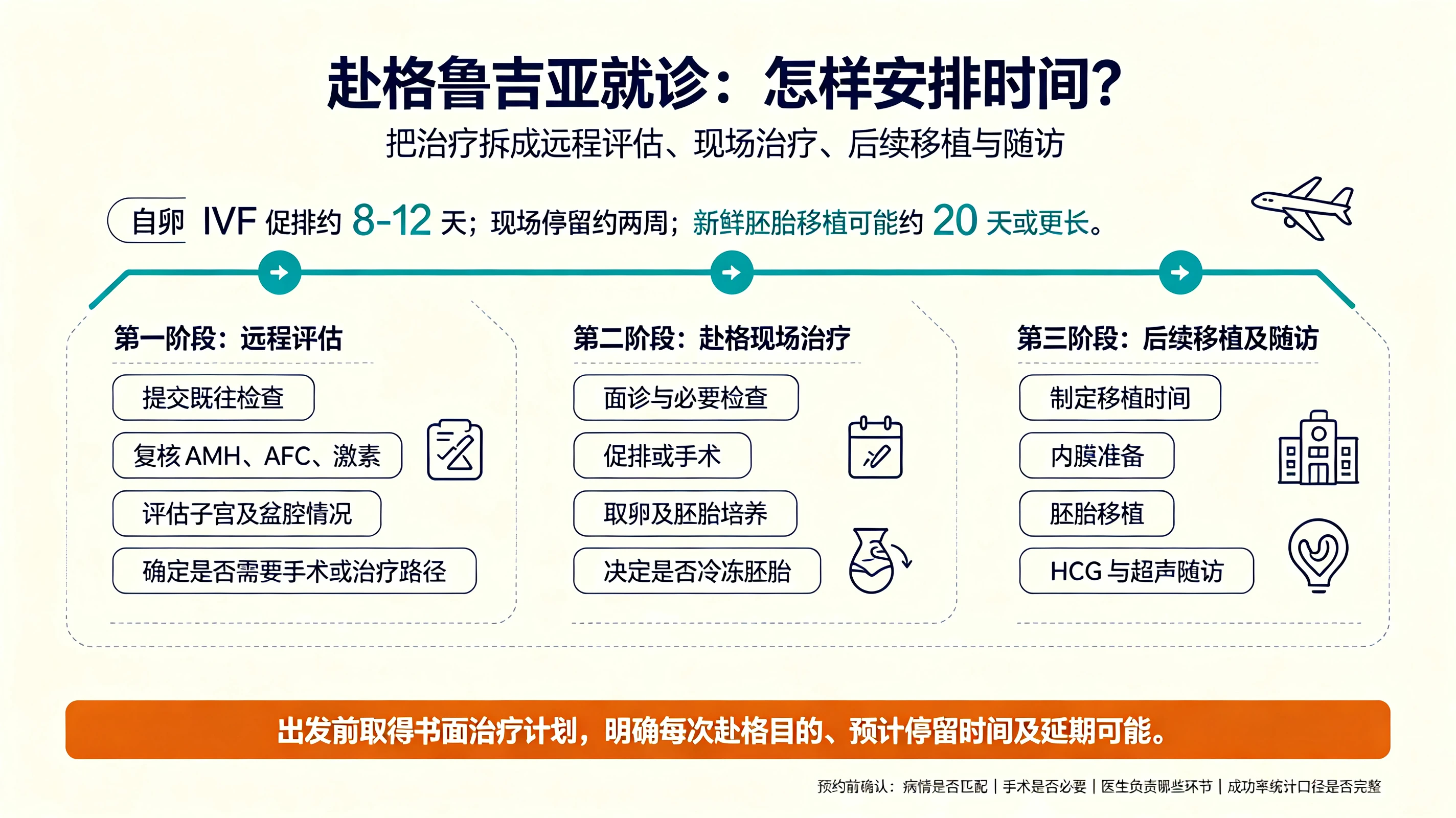
According to Dr. Juna's public interview:
IVF using autologous oocytes typically requires coordination with the menstrual cycle;
Ovarian stimulation therapy takes approximately 8–12 days;
Oocyte retrieval and embryo culture are performed after ovarian stimulation.
Egg donation treatment typically requires a stay of about two weeks in Georgia;
If a fresh embryo transfer is scheduled, the stay mentioned in the interview is approximately 20 days or longer;
For some frozen embryo treatments, endometrial preparation can be completed at the patient's place of residence before traveling to Georgia for the transfer.
These are common therapeutic arrangements in interviews, not a fixed schedule applicable to all patients.
It is recommended to prepare in three stages before departure.
Phase 1: Remote Assessment
Submit previous examination reports;
Review AMH, AFC, and hormone results;
Assess the uterus and pelvic conditions;
Determine whether gynecological surgery is required;
Determine the path of using own eggs, donor eggs, or other treatment options.
Dr. Juna stated in the interview that some examinations can be completed at the patient’s place of residence, with the results subsequently submitted to the institution for evaluation. Whether to accept local examination results or require re-examination should be confirmed by the treatment team.
Phase 2: On-site Treatment in Ge
Complete the necessary face-to-face consultation and examinations;
Proceed with ovarian stimulation or surgery according to the protocol;
Oocyte retrieval and embryo culture completed;
Determine whether frozen embryos are needed.
Phase 3: Subsequent Transplantation and Follow-up
Schedule the transplant based on the patient's physical recovery;
Perform endometrial preparation when criteria are met;
Arrange for embryo transfer;
Follow HCG and ultrasound monitoring as per doctor's orders.
If hysteroscopy or laparoscopy is involved, or if the process requires egg retrieval followed by surgery and finally embryo transfer, both the number of trips to Georgia and the total length of stay may increase.
Therefore, it is recommended to obtain a written treatment plan before purchasing flight tickets, clearly specifying the purpose of each visit to Georgia, the expected duration of stay, and any potential extensions.
9. Before booking an appointment with Dr. Juna Zimlitski, it is recommended to confirm these 10 questions
Regarding personal medical conditions
Based on my age, AMH, AFC, and previous treatment records, what is the most critical fertility issue that needs to be addressed at this time?
Are the results of my uterine cavity or pelvic examination sufficient to diagnose a lesion that affects fertility?
If there are no clear surgical indications, can one proceed directly to IVF evaluation?
About the surgery
If hysteroscopy or laparoscopy is recommended, what specific issues would it address?
Can the surgery affect ovarian reserve, the endometrium, or subsequent pregnancies?
Can oocytes be retrieved and embryos frozen first, with gynecological conditions addressed later based on the situation?
Who will personally perform the surgery? Is anesthesia required? Who will be responsible for post-operative follow-up examinations?
About IVF Treatment
Which steps of ovarian stimulation, egg retrieval, and embryo transfer is Dr. Juna personally responsible for?
Could you provide live birth rate data corresponding to my age and the source of the eggs?
If no transferable embryos are obtained in this cycle, or if the embryo transfer fails, what adjustments should be made for the next step?
It is recommended to compile the doctor's responses into a written record, particularly regarding the necessity of the surgery, costs, treatment duration, and team responsibilities.
In cross-border healthcare, verbal promises cannot substitute for formal medical plans and contractual agreements.
10. Comprehensive Evaluation: Which Patients Should Further Consider Dr. Juna Zimlitski?
Based on the publicly available information currently accessible,Dr. Juna ZimlitskiA gynecologist and reproductive medicine specialist affiliated with LeaderMed in Tbilisi, Georgia. Third-party physician profiles list hysteroscopy, laparoscopy, and gynecological endoscopy as her areas of expertise.
In a public interview, she shared her approximately 10 years of experience in reproductive medicine, with particular focus on recurrent implantation failure, recurrent miscarriage, diminished ovarian reserve, andComplex infertilityCase
This information makes her a doctor worth further exploring for patients who experience both fertility difficulties and gynecological issues.
However, her individual professional credentials, scope of independent surgical practice, surgical volume, and statistical data on personal treatment outcomes still require further verification.
Consider evaluating the worthiness of making an appointment from three perspectives:
First, whether the condition matches.
If you existRecurrent transplant failurePatients with recurrent miscarriage, diminished ovarian reserve, or gynecological conditions that may interact with IVF treatment are advised to schedule an appointment for further evaluation.
Second, whether the treatment plan is based on clear evidence.
If a doctor recommends surgery, they should be able to explain the specific pathology, surgical goals, expected benefits, risks, and alternative options. In particular, they need to clarify why surgery is necessary now, rather than first retrieving eggs, cryopreserving embryos, or pursuing other management approaches.
Third, whether the individual competence of doctors and the service quality of institutions can be verified.
Do not only look at what services LeaderMed offers; you should also verify which aspects the doctor personally oversees and who performs the surgery.Embryology LaboratoryWho will manage it, and who will be responsible if issues arise later.
For Dr. Juna Zimlitski, the most valuable insights go beyond simple technical rankings, focusing instead on her actual role at the intersection of reproductive medicine and gynecological issues, her individual surgical expertise, and her ability to provide international patients with clear, actionable, and verifiable personalized treatment plans.
SelectOverseas reproductive medicine specialistUltimately, you should not focus solely on how many techniques she can offer, but rather on whether she can help you reduce unnecessary treatments, protect your limited reproductive window, and ensure that every medical decision is backed by clear clinical evidence.
LeaderMed Official Website | Medical Team and Institution Introduction
LeaderMed Official Website | About Us (Institutional Development History)
LeaderMed Official Website | Contact (Institution Address and Contact Information)
TEMOS International Medical Accreditation Body | IVF Center Accreditation Information
Frequently Asked Questions
The content on this website is general educational material and compiled public information about IVF. It is provided for reference only, does not constitute a basis for diagnosis or medical decision-making, and does not constitute any medical advice or treatment recommendation. For policy and technical requirements, please refer to official publications issued by the relevant authorities and institutions. If you find any content errors, numerical inconsistencies, or outdated information, please contact us so we can verify and update it.
