

A Guide to Seeking Assisted Reproductive Treatment in Hong Kong: Detailed Analysis of Dr. Chan Chi-fai’s Qualifications, Suitable Candidates, IVF Protocols, Costs, Licensing Compliance, and Initial Consultation Preparation—Helping You Make Informed Decisions About IVF, Egg Freezing, and PGT in Hong Kong.
Read allFor those planning to travel to Hong Kong for assisted reproductive treatment,Fertility PreservationOr for couples who have been struggling with infertility over the long term, the core challenge in screening doctors and institutions has never been listing numerous titles and technical services, but rather determining whether "the doctor's professional strengths align with my needs," "the clinical process is compliant and transparent," and "promotional information matches the actual services provided."
This paper takesDr. Chen Zhihuiand its practiceGrateful Healthcare(Gratia Medical Centre) as the core, integrating Hong Kong regulatory rules, official institutional disclosures, and clinical diagnostic logic to objectively analyze six key dimensions, helping you first assess suitability before deciding whether to schedule an appointment.
1. First, perform a self-assessment: Are you part of the high-fit population?
The key to choosing a reproductive medicine specialist is "matching your needs," rather than blindly following their fame. Based on publicly available information about clinical practices, the following groups are more suitable for prioritizing consultations with Dr. Chen Zhihui:
A better-suited core audience
Families with a clear genetic risk requiring joint reproductive and genetic assessmentThese include cases where one spouse carries a pathogenic monogenic variant, both spouses are carriers of the same autosomal recessive disorder, chromosomal structural abnormalities (such as balanced translocations) are present, or there is a clear family history of genetic disease. The core issue in such scenarios is not whether preimplantation genetic testing can be performed, but rather completing risk assessment, evaluating technical feasibility, and estimating the number of viable embryos before initiating treatment, thereby avoiding situations where the testing plan proves unworkable only after ovarian stimulation has been completed.
Couples who wish to have their system thoroughly investigated for infertility and refuse overtreatmentFor individuals who have been trying to conceive regularly for one year without success, or those aged 35 and older who have been trying for six months without success, diagnosis and treatment follow a stepwise, tiered approach: first, conduct comprehensive evaluations of both partners to identify underlying causes; then, based on specific indications, choose among natural conception guidance, ovulation induction with medication, intrauterineArtificial insemination(IUI), followed by in vitro fertilization (IVF), will not directly recommend the highest-intensity treatment regimen.
Patients of advanced age with repeated implantation failures who require a rational assessment of the necessity for testingPreimplantation genetic testing will not be performedPGT) packaging it as a “universal technique to boost success rates,” but rather objectively analyzing the cost-benefit ratio and technical limitations of testing based on age, embryo count, and causes of previous failures, thereby avoiding the indiscriminate addition of expensive procedures.
Women with needs for egg freezing (egg banking) or fertility preservationObjective predictions of oocyte yield and expected outcomes can be made based on age, anti-Müllerian hormone (AMH) levels, and antral follicle count, with clear communication to the patient.Egg freezingtechnical limitations, without exaggerating its "maternity insurance" attributes.
Low-Fit / Not Suitable Groups
Only routine gynecological examinations and standard prenatal checkups are required; no reproductive-related diagnostic or treatment services are needed.
The core decision factor is low-cost packages, with price being the primary criterion for selection;
There is a demand for fetal sex selection for non-medical reasons (explicitly prohibited under Hong Kong law);
We cannot accept clinical care and laboratory operations being conducted at separate locations; we require the entire process to be completed at a single address.
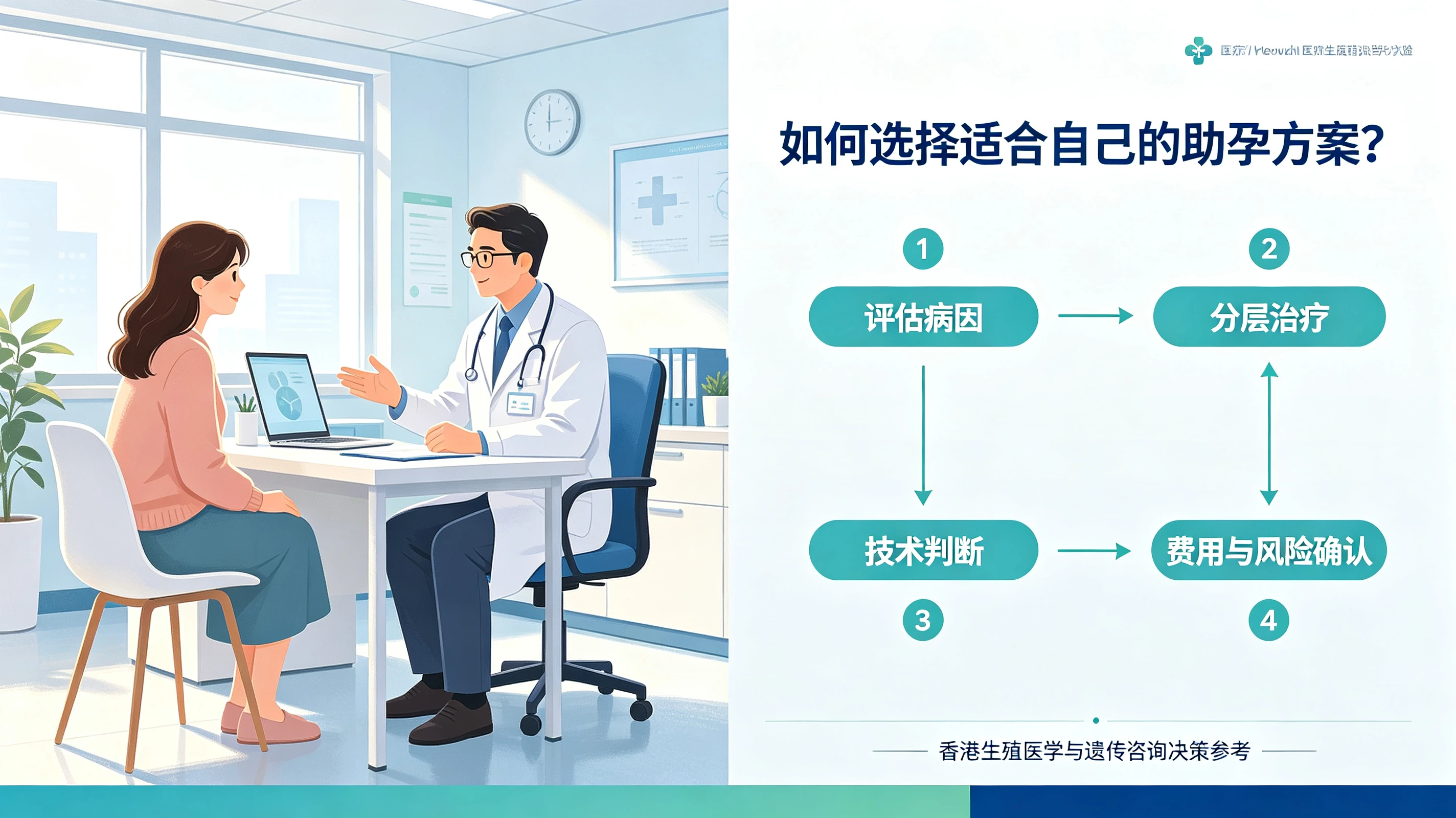
II. Verification of Professional Background: Actual Clinical Value Behind the Qualifications
Many institutions list a long string of titles, but it is difficult for ordinary patients to assess their actual value. The following information is drawn from official institutional disclosures and complies with the requirements of Hong Kong’s specialist medical registration system, while also breaking down the clinical significance of each qualification.
Overview of Core Professional Qualifications
Table
Qualification Category | Specific content | Clinical Value |
|---|---|---|
Bachelor's Degree in Basic Medicine | MBBS (Bachelor of Medicine, Bachelor of Surgery), The University of Hong Kong; MSc in Medical Genetics, The Chinese University of Hong Kong | The interdisciplinary background in reproductive medicine and medical genetics is its distinctive professional feature. |
Academician Qualification in a Specialized Field | Fellow of the Royal College of Obstetricians and Gynaecologists (FRCOG), Fellow of the Hong Kong College of Physicians and Surgeons (Obstetrics and Gynaecology), Fellow of the Hong Kong College of Obstetricians and Gynaecologists | Meets the registration requirements for specialist doctors in Hong Kong, with clinical standards aligned with international evidence-based medicine |
Subspecialty Accreditation | Certificate of Recognition in the Reproductive Medicine Subspecialty, Royal College of Obstetricians and Gynaecologists (UK) Certificate of Recognition in the Reproductive Medicine Subspecialty, Hong Kong College of Obstetricians and Gynaecologists | Possesses the legally required specialized qualifications to perform assisted reproductive technology. |
Academic Appointments | Honorary Clinical Associate Professor, Department of Obstetrics and Gynaecology, Li Ka Shing Faculty of Medicine, The University of Hong Kong | reflecting its connection to the academic system, with a clinical style that is rigorous and standardized |
Most Differentiated Capability: Cross-Disciplinary Judgment at the Intersection of Reproduction and Genetics
atHong Kong Reproductive SpecialistAmong physicians, practitioners with formal training in medical genetics are relatively rare. The value of this background lies in two types of scenarios:
For ordinary infertile families: better able to judge whether you really needPGT-A"Embryo screening": Prioritize optimizing treatment plans based on core factors such as ovarian function, uterine environment, and embryo quality to avoid unnecessary high-cost testing expenses.
For families with genetic risks: No additional referral to the genetics department is required, as offspring risk assessment and PGT-M/SR protocol design can be completed simultaneously within reproductive care, reducing information discrepancies caused by cross-departmental communication.
To be clear: physicians are responsible for clinical assessments and treatment plan development,Embryo biopsyGenetic testing procedures are still performed by professional laboratories; the core value of genetic counseling is to assist in decision-making, not to replace laboratory testing.
III. Logic of Technology Selection: From IUI to PGT, Avoiding Blind Stacking of Procedures
Gratitude to healthcare and its affiliatesAssisted Reproductive Technology in Hong KongCenter (HKARC) can offer a full spectrum of technologies, from basic assessments to third-generation IVF, but the availability of these technologies does not equate to their necessity. Below is an evidence-based decision-making framework for various scenarios, which also serves as key topics to discuss with your doctor during the initial consultation.
1. Intrauterine Insemination (IUI): Strict adherence to indications
IUI involves the intrauterine injection of optimized and processed sperm during ovulation. It is suitable for couples with ovulatory disorders, mild male factor infertility, or unexplained infertility who have at least one patent fallopian tube. The clinical pregnancy rate per cycle typically ranges from 10% to 15%, and the cost is relatively low.
If there is bilateral tubal obstruction, severe oligoasthenozoospermia, or a significant decline in ovarian reserve in women over 35, repeated IUI attempts are not recommended to avoid wasting valuable reproductive time.
Superovulation combined with IUI carries a risk of multiple pregnancies. If patients have clear ethical boundaries regarding selective fetal reduction, they should discuss the cycle cancellation criteria with their physician in advance.
2. In Vitro Fertilization (IVF) and Intracytoplasmic Sperm Injection (ICSI): More Expensive Does Not Mean Better
Conventional IVF (commonly known as first-generation IVF): involves the natural fertilization of eggs and sperm in a laboratory setting, suitable for most cases involving tubal factors, ovulation disorders, and mild to moderate male factor infertility.
ICSI (commonly known as second-generation IVF): Microinjection of a single sperm into an egg, recommended only for clear medical indications such as severe male-factor infertility or prior fertilization failure with conventional IVF.
Common misconception: ICSI is not an "advanced version" of IVF. Without clear medical indications, it does not improve pregnancy rates compared to conventional IVF and instead increases laboratory operational costs; the choice should be based on medical indications.
3. Preimplantation Genetic Testing (PGT): Clarify the purpose before proceeding
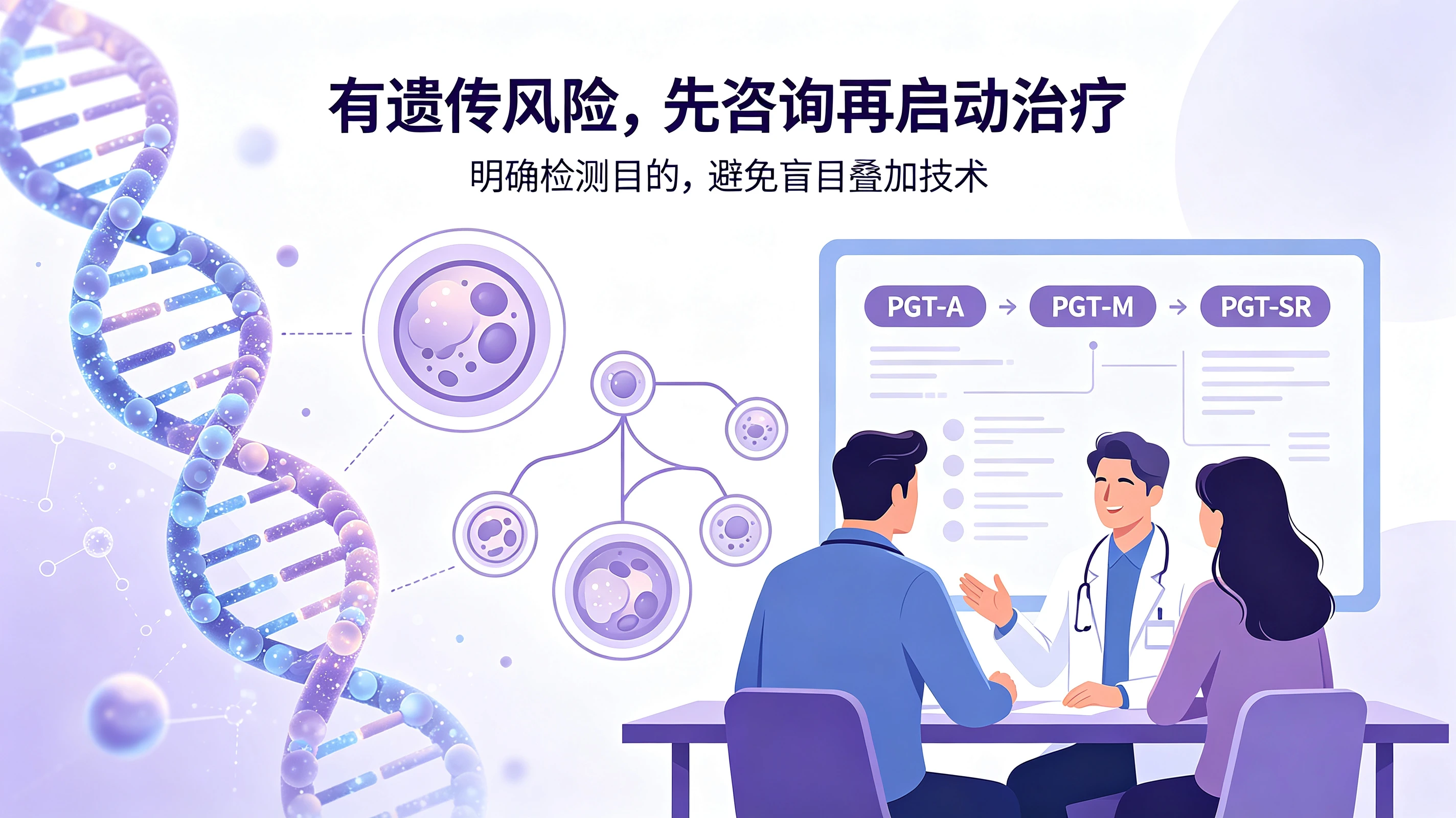
PGT, commonly known as "third-generation IVF," is divided into three categories with entirely different applications:
PGT-A: Screening for embryonic chromosomal numerical abnormalities, suitable for women of advanced maternal age and those with recurrent miscarriage or repeated implantation failure; however, it is not a mandatory option for all patients of advanced maternal age.
PGT-MTo detect specific monogenic genetic diseases, the causative gene must be identified in advance, and a customized testing protocol must be completed.
PGT-SR: For chromosomal structural rearrangements, detection strategies must be customized according to the specific type of abnormality.
Key criterion: If you skip this test, would it change your treatment decision? If the answer is no, do not blindly add tests just to be “safer.” PGT cannot guarantee 100% implantation or live birth, nor can it rule out all risks of birth defects.
4. Egg Freezing: Objectively Assessing the Boundaries of Success Rates
Currently, with mainstream vitrification techniques, the post-thaw survival rate of oocytes typically ranges from 70% to 90%. However, survival does not equate to fertilization, fertilization does not equate to the formation of transferable embryos, and neither guarantees a live birth.
Egg freezing before age 35 ensures better egg quality and higher future live birth rates.
Before egg freezing, one should inquire about the laboratory's post-thaw survival rate of eggs, post-thaw fertilization rate, and blastocyst formation rate, rather than focusing solely on the number of eggs frozen.
Under Hong Kong law, single women are legally permitted to freeze their eggs to preserve fertility; however, using frozen eggs for IVF treatment requires meeting the eligibility criteria for married couples experiencing infertility. The maximum storage period for elective egg freezing is 10 years.
IV. Institutional Compliance Breakdown: The Relationship and Division of Labor Between Gratitude Medical and HKARC
In Hong Kong, assisted reproduction is strictly regulated under the Human Reproductive Technology Ordinance (Cap. 561). Core reproductive technology procedures, including oocyte retrieval, embryo culture, and embryo transfer, must be performed exclusively in licensed premises. This aspect is most susceptible to obfuscation by promotional rhetoric; the following information is compiled based on official public disclosures.
1. Positioning and Licenses of the Two Institutions
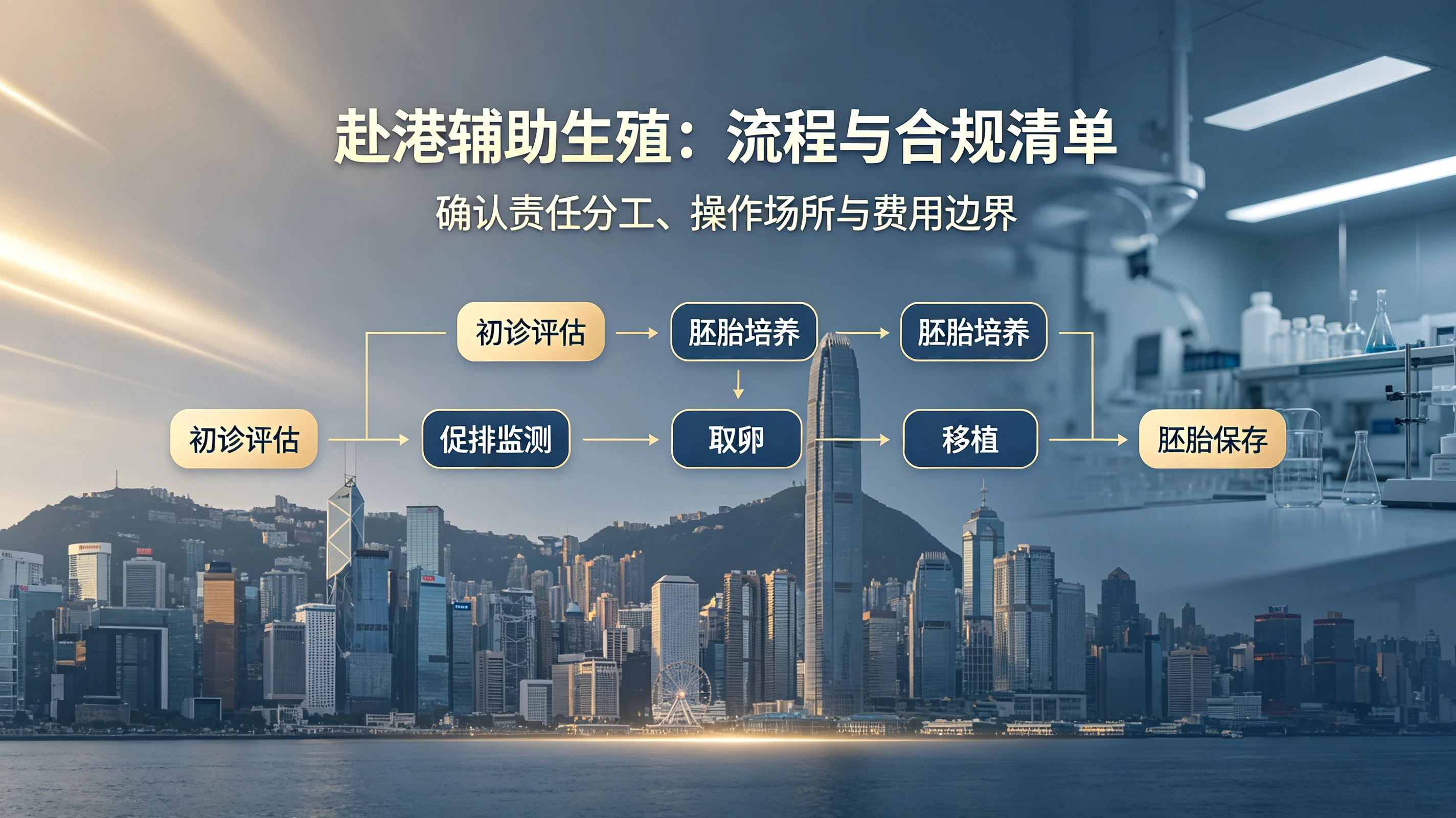
Gratia Medical Centre (GMC)As the primary clinical care provider, it is responsible for initial assessments, treatment plan development, ovulation induction monitoring, gynecological and obstetric services, as well as front-end support including Traditional Chinese Medicine, nutrition, and psychological counseling. The institution was founded in 2007, evolving from the Hong Kong Fertility Health Center, with Dr. Chan Chi-fai as its founder.
Hong Kong Assisted Reproductive Center (HKARC)A licensed reproductive technology center, serving as the specialized laboratory and surgical platform of Gratitude Medical, was granted its license by the Hong Kong Council on Human Reproductive Technology (CHRT) in 2012.Therapy License (No. T5007), with its registered address at Unit 1502, Heng Yee Building, 5 Queen’s Road Central, Hong Kong. Core reproductive technology procedures, including egg retrieval, embryo culture, fertilization, embryo freezing and thawing, embryo transfer, and PGT laboratory processes, are all performed within this licensed facility.
2. Division-of-labor details that must be confirmed before the visit
The collaboration between clinical and laboratory settings in separate locations is a common industry practice, with clear responsibility being the core principle. It is recommended to confirm the following issues in writing at the initial consultation:
At which address are ovulation induction monitoring, blood tests, and ultrasound scans performed?
What are the locations and surgeons responsible for performing egg retrieval and embryo transfer?
When complications such as ovarian hyperstimulation syndrome or bleeding occur, which institution is responsible for first-line management?
Administrative responsibilities, renewal procedures, transfer rules, and emergency contact mechanisms during embryo preservation.
Note: The registered address listed on the regulatory authority’s public disclosure for husband insemination (AIH) licenses differs from the clinic address currently displayed on Gratitude Medical’s official website. This discrepancy is common due to institutional relocation or address updates. Before making an appointment, it is recommended to directly confirm with the institution the actual location where such procedures are conducted, along with the corresponding license number and its validity period, to ensure that services are provided within a compliant framework.
V. Costs and Success Rates: Establishing Rational Expectations
1. Reference Guide to Costs of Private Assisted Reproduction in Hong Kong in 2026
The following are the prevailing fee levels for private institutions in Hong Kong. Specific fees shall be subject to the official written quotations issued by the respective institutions:
Basic IVF cycle: HKD 80,000–150,000, typically covering monitoring, egg retrieval, conventional fertilization, and one fresh embryo transfer;
Common Add-onsICSI costs approximately HK$18,000; PGT testing is charged per embryo (ranging from several thousand to over ten thousand HKD per embryo); and annual embryo freezing fees range from several thousand to HK$15,000.
Total Budget After OverlayIf procedures such as ICSI, blastocyst culture, and PGT are included, the total cost per cycle typically exceeds HKD 180,000 to 200,000.
Practical Tips for Expense Planning
Budget for the worst-case scenario: Set aside 20% as emergency funds to cover unexpected expenses such as medication adjustments and additional tests;
Confirm refund rules: How are incurred fees settled and whether partial refunds are available in cases of cycle cancellation after ovarian stimulation or when no viable embryos are available after egg retrieval?
Leverage Tax Policies: Starting from the 2024/25 year of assessment, taxpayers in Hong Kong may claim deductions for assisted reproductive service expenses under salaries tax or personal assessment, up to a maximum of HK$100,000 per year. Eligible individuals can make such claims when filing their tax returns.
2. How to interpret the success rate data
Group success rates cannot be directly equated with individual outcomes, as personal factors such as age, ovarian reserve, sperm quality, and uterine environment have a significant impact.
Publicly available reference data from Ganyin Medical: The overall clinical pregnancy rate for IVF cycles is approximately 30%–40%; about 70% of retrieved eggs are successfully fertilized; and the following day, approximately 90% of fertilized eggs develop into embryos. This data falls within the normal industry range but represents aggregate figures across all age groups.
More valuable metrics: those relevant to your age groupCumulative Live Birth Rate(not the single-cycle pregnancy rate), corresponding to your ovarian reserve levelCycle cancellation rate, the average number of oocytes retrieved and blastocyst formation rates among patients with similar etiologies.
6. Initial Visit Preparation Checklist: Maximizing Appointment Efficiency
Required Documents Checklist
Female partner: AMH report from the last 3 months, baseline sex hormone panel (six items), antral follicle count via ultrasound, hysterosalpingography results (if available), records of previous gynecological or reproductive surgeries, and complete records of prior assisted reproductive treatments (including ovarian stimulation protocols, number of oocytes retrieved, embryo culture details, etc.).
Male: Semen routine analysis report for the last 3 months (if available);
Both parties: Thalassemia screening, infectious disease screening, and karyotype report (if available);
Long-term medication list, past medical history, and allergy history.
Suggested questions to prepare in advance
Many people tend to overlook key questions due to nervousness during consultations. Consider jotting them down in advance:
Based on my age and test results, what is the preferred treatment plan? What are the core reasons?
What is the estimated total cost of the plan? Which items are mandatory, and which are optional?
Which addresses and doctors are responsible for ovarian stimulation, egg retrieval, and embryo transfer?
What are the core reasons for and against undergoing PGT testing in my situation?
If there are no transferable embryos in the first cycle, what is the next adjustment direction?
What are the storage fees, renewal rules, and expiration handling procedures for frozen eggs and embryos?
Itinerary Reminder
Gratitude Medical Clinic is located on the 34th floor of Tower 1, New World Building, No. 16-18 Queen's Road Central, Central, Hong Kong. It is accessible via MTR Central Station. Parking in the vicinity is limited, so public transportation is recommended.
Opening Hours: Monday to Friday 09:00–14:00, 15:00–18:00; Saturday 09:30–13:30; Closed on Sundays and public holidays.
The initial consultation lasts approximately 30–60 minutes. We recommend allowing ample time to avoid a rushed schedule.
VII. Final Decision: Assessing Fit Across Three Dimensions
Demand Match RateIf your core needs are genetic risk assessment for reproduction, tiered surrogacy services, and rational egg freezing, the match is high; however, if you only require simple ovarian stimulation or routine gynecological examinations, it may not be the most cost-effective option.
Pattern AcceptanceWhether the collaborative model of "clinical practice + licensed laboratory" across separate sites is accepted. If you require the entire process to be completed at a single site, please confirm in advance whether this aligns with your expectations.
Communication FitPublic patient reviews reveal divided opinions on her communication style: some patients find her professional, meticulous, and proactive in explanations, while others report that she can be direct and assertive when discussing risks. Given the high emotional stress associated with reproductive treatments, it is advisable to prioritize choosing a doctor whose communication pace aligns well with your own.
When choosing assisted reproductive services, the goal is never to find the "most famous doctor," but rather to select the treatment plan that best fits your individual needs. Dr. Chan Chi Wai’s interdisciplinary background in genetics, rigorous clinical approach, and compliant operational model make him particularly suitable for families who prioritize medical quality, oppose overtreatment, and have genetic considerations regarding fertility. However, this option may not be ideal for everyone; it is recommended to consider Dr. Chan as one of several options when comparing healthcare providers in Hong Kong, making a rational decision based on your personal circumstances.
Frequently Asked Questions
The content on this website is general educational material and compiled public information about IVF. It is provided for reference only, does not constitute a basis for diagnosis or medical decision-making, and does not constitute any medical advice or treatment recommendation. For policy and technical requirements, please refer to official publications issued by the relevant authorities and institutions. If you find any content errors, numerical inconsistencies, or outdated information, please contact us so we can verify and update it.
