
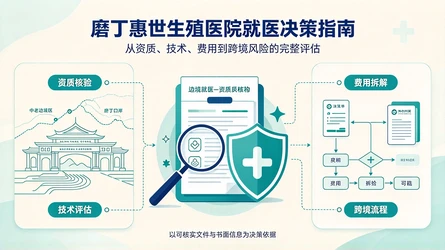
A Comprehensive Guide to Medical Decision-Making at Boten Hui Shi Reproductive Hospital: Covering Institution Qualification Verification, Evaluation of IVF Technologies (IVF-ET, ICSI, and PGT), Interpretation of Success Rates, Detailed Cost Breakdown, Cross-Border Medical Travel Procedures, and Compliance Risk Alerts, for a Rational Assessment of the Pros and Cons of Undergoing IVF Treatment in Boten, Laos.
Read allI. First, assess: Are you a suitable candidate for considering cross-border medical care in Boten?
As a national-level economic special zone on the China-Laos border, Boten is a typical "cross-border medical destination centered around a border port." Its core characteristics include strong geographical proximity and convenient round-trip travel, while the application scenarios for assisted reproductive technologies differ from those within mainland China.Boten Huishi Reproductive Hospital(Also known asHuishi DOC Hospital, formerly known as the International Laos Hospital for Reproductive Genetics, is one of the earlier established and widely promoted assisted reproductive specialty institutions in the local area.
Before visiting specific hospitals, it is recommended to first align your personal needs with your risk tolerance to avoid making blind decisions.
Populations eligible for inclusion in the assessment scope
Families with clear medical indications for PGT whose domestic healthcare access is restrictedIndividuals in which one spouse carries a known pathogenic gene or has a chromosomal structural abnormality, meeting the clinical indications for preimplantation genetic testing (PGT), who seek to initiate treatment more quickly due to long waiting periods and cumbersome approval processes at top-tier public hospitals in China.
Residents of Yunnan and surrounding provinces in southwest ChinaIts proximity to border checkpoints reduces round-trip travel and time costs, allows for flexible scheduling of certain monitoring procedures, and significantly lowers the overall cost of cross-border healthcare.
People who have experienced multiple treatment failures in China and wish to try different healthcare systemsFamilies who have experienced multiple failed cycles at accredited domestic reproductive centers, seek to switch their embryo culture systems and clinical approaches, and fully understand and accept the associated risks of cross-border medical care.
Individuals seeking fertility preservation who prioritize privacy and efficiencyeggs, sperm, orEmbryo cryopreservationIndividuals who value data security, have high expectations for privacy and process efficiency in medical visits, and are familiar with the regulations governing the subsequent management of cross-border embryos.
Groups not advised to visit rashly
Individuals with non-compliant purposes such as surrogacy or sex selection for non-medical reasonsChinese law explicitly prohibits surrogacy and fetal sex identification or sex selection for non-medical purposes. Such practices pose significant legal and ethical risks, leading to substantial obstacles in subsequent determinations of parent-child relationships and household registration for children.
High-risk pregnant women aged 42 and older with complex underlying medical conditionsThe comprehensive emergency medical care capabilities in border regions are limited. If complicated by severe internal medicine conditions, significant uterine cavity abnormalities, or severely diminished ovarian reserve, it is safer to prioritize top-tier (Grade 3A) reproductive centers within China.
People with tight budgets and low tolerance for cost fluctuationsCross-border healthcare commonly involves hidden costs. If the budget only covers basic packages, expenses may easily exceed limits due to additional tests, secondary transplants, document processing, and other procedures, potentially leading to service disputes.
Individuals with low risk tolerance who are unable to accept policy changes and the costs associated with defending their rightsLocal assisted reproductive regulation is subject to uncertainty regarding policy boundaries and enforcement standards, while the burden of proof and litigation costs for cross-border medical disputes are significantly higher than those for domestic cases. Individuals who cannot tolerate such uncertainties are advised to prioritize reputable domestic institutions.
Individuals who only require first- or second-generation IVF and have good physical healthThe routine assisted reproductive technologies at domestic public tertiary-grade A hospitals are mature and well-regulated, fully meeting clinical needs without the additional costs and risks associated with cross-border medical care.
II. Qualification Verification: The Core Prerequisite for Cross-Border Medical Care
Valid professional qualifications are the safety foundation for all medical practices; without compliant credentials, equipment, experts, and success rates have no value as decision-making references.
Qualification information publicly disclosed by the institution
According to the official public information of Boten Huishi Reproductive Hospital, its core qualifications and basic details are as follows:
Institutional Profile: A specialized hospital for assisted reproductive genetics, approved and established by the Lao National Ministry of Health, capable of performingIVF, ICSI,PGTFull-chain assisted reproductive technology
Date of Establishment: Signed an entry cooperation agreement with the Boten Special Economic Zone in 2019, and officially commenced external operations in January 2020.
Venue scale: The Phase I treatment center has a building area of approximately 4,000 square meters.Embryology LaboratoryApproximately 1,100 square meters in total with the Reproductive Genetics Laboratory
Service Support: An operations center is located in Kunming, China, providing Chinese-language consultation, appointment coordination, and cross-border liaison services for patients in China.
Qualification Compliance Dispute Alert
According to publicly reported media coverage, in Laos’ current medical regulatory framework, professional licenses for assisted reproductive technology (ART) are primarily granted to public hospitals, while private institutions typically conduct such services through partnerships with public hospitals. Within the Boten Special Economic Zone, some Chinese-funded ART institutions hold only general medical practice qualifications and business registration documents; the approval of specialized ART technologies remains subject to boundary disputes characterized by “SEZ policy leading ahead, with national-level regulations yet to be clarified,” meaning that policy stability depends on local enforcement practices.
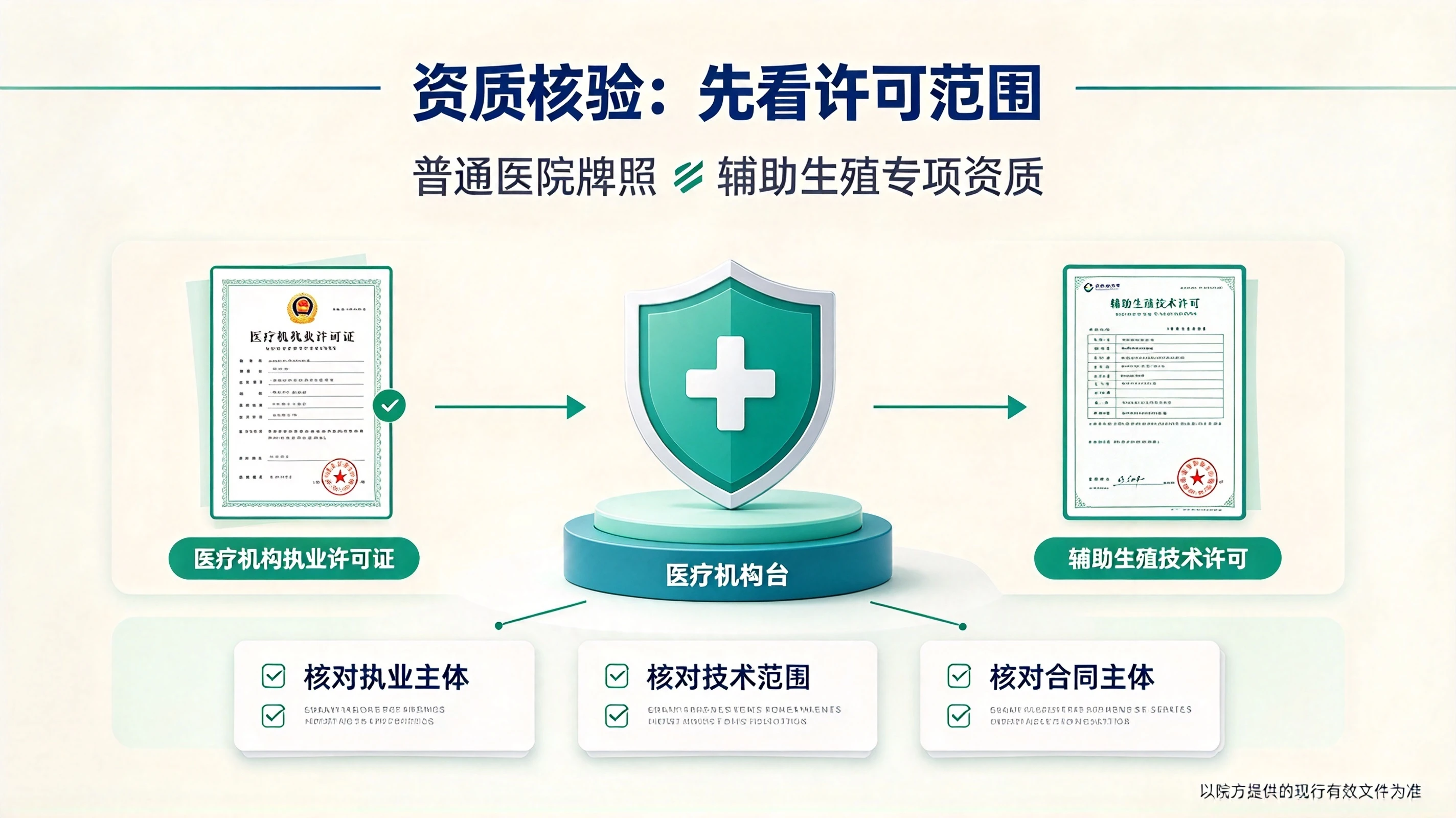
Key TakeawaysA general medical institution’s practice license ≠ a special license for assisted reproductive technology; the two must be verified separately and cannot substitute for each other.
Practical Verification Recommendations
Before your visit, request and verify the following documents directly from the hospital; do not rely solely on verbal assurances from intermediaries or consultants to confirm qualifications.
The medical institution practice license issued by the Ministry of Health of Laos shall clearly specify the scope of assisted reproductive technology (ART) services provided and its validity period.
Site Entry Approval and Business License Documents Issued by the Boten Special Economic Zone Management Committee
Specialized qualifications or compliance bases for conducting genetic testing projects such as PGT
Verify that the contracting party and the receiving account holder of the medical service contract are consistent with the entity registered under the practice license.
III. Technology and Laboratory: Assessment of Core Capabilities in Assisted Reproduction
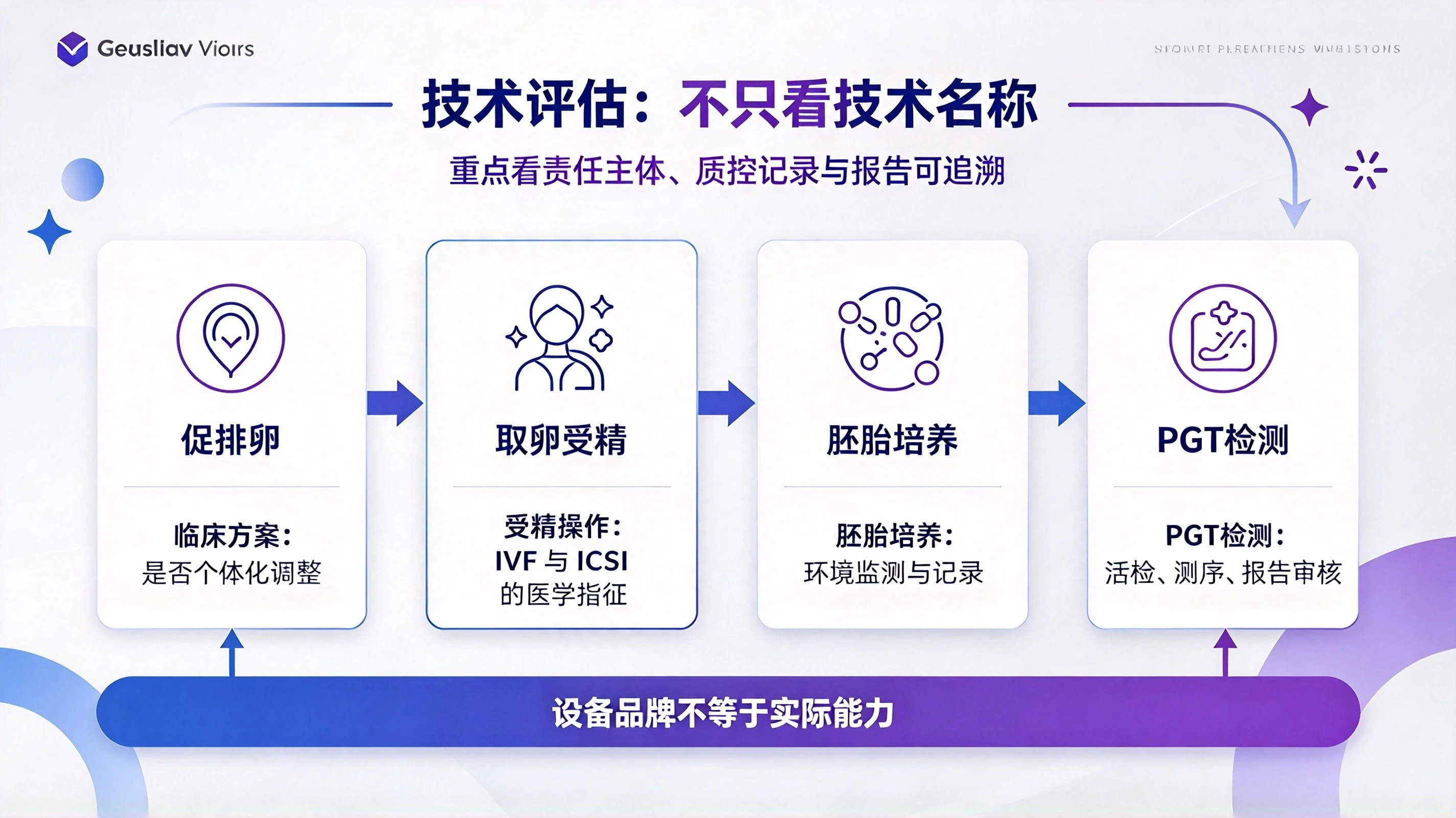
The clinical outcomes of assisted reproductive technology (ART) depend heavily on the synergy between treatment protocols and laboratory capabilities. Rather than using "generations of IVF" as a benchmark for technical proficiency, patients should assess institutions based on their specialized capabilities that align with their specific medical conditions.
Core Technology Projects and Applicable Scenarios
The publicly disclosed clinical services of this institution cover the entire process of assisted reproductive technology, with a technical framework largely consistent with that of legitimate domestic reproductive centers:
First-generation in vitro fertilization (IVF-ET, conventional IVF)In vitro fertilization (IVF), in which processed sperm and eggs are placed in a culture environment for natural fertilization, is suitable for cases of tubal factor infertility, certain ovulation disorders, and unexplained infertility.
Second-generation IVF (ICSI, Intracytoplasmic Sperm Injection)Performed by an embryologist under a micromanipulation system, intracytoplasmic sperm injection (ICSI) involves injecting a single sperm into an oocyte. It is indicated for male factor infertility scenarios such as severe oligoasthenoteratozoospermia, previous fertilization failure with conventional IVF, and sperm retrieval from the testis or epididymis.
Third-generation IVF (PGT, Preimplantation Genetic Testing)This is a general term for a class of detection techniques, with different subtypes corresponding to distinct clinical scenarios; they should not be conflated:
PGT-AScreening for embryonic chromosomal aneuploidy, suitable for certain advanced-age individuals and those with recurrent spontaneous miscarriages
PGT-M: Detection of pathogenic variants for known monogenic genetic disorders
PGT-SR: Detects chromosomal structural rearrangements (such as balanced translocations).
Medical Consensus Statement:
The 2024 Committee Opinion from the American Society for Reproductive Medicine (ASRM) clearly states that there is currently insufficient evidence to support routine PGT-A screening for all IVF patients, as its role in improving cumulative live birth rates across the general population has not been proven. The decision to use PGT-A should be made based on a comprehensive assessment of factors including patient age, number of embryos, and clinical indications.
PGT testing has technical limitations, including mosaicism, test failure, and the potential for misdiagnosis, and cannot replace standard prenatal screening and prenatal diagnosis during pregnancy.
Cryopreservation of Embryos and GametesIncluding embryo vitrification, frozen-thawed embryo transfer, and cryopreservation of oocytes and spermFertility PreservationService.
Key Points for Laboratory Capability Assessment
The clinic is equipped with internationally mainstream devices, including the Illumina high-throughput sequencer from the United States, the NARISHIGE micromanipulation system from Japan, the RI laser hatching system from the United Kingdom, and the IVFtech workstation from Denmark. Its hardware configuration reaches a level above average among private reproductive centers in China.
However, the brand of equipment does not directly equate to the quality of diagnosis and treatment. What truly reflects a laboratory’s capabilities is its management system and quality control standards. We recommend focusing on verifying:
Does the laboratory have continuous environmental monitoring (temperature, humidity, gas concentration, cleanliness) and an abnormal alarm mechanism?
Are there regular maintenance, calibration records, and quality control procedures for the core equipment?
Does the embryo have a unique identifier and a full-process tracking system to prevent the risk of sample mix-ups?
Are there clearly defined internal quality control metrics (normal fertilization rate, blastocyst formation rate, and freeze-thaw survival rate) along with a review system?
Is the emergency response plan for unexpected situations such as power outages and equipment failures complete?
For the PGT project, additional verification is required on whether the entire testing workflow is completed independently in-house or if certain steps are outsourced to third-party laboratories.Embryo biopsyThe responsible parties for each stage, including sample processing, sequencing analysis, and report issuance; the retesting mechanism in cases of test failure or ambiguous results; and whether professional genetic counselors are available.
IV. Interpreting Success Rates: View Promotional Data Rationally and Avoid Misunderstanding the Numbers
"High success rates" are the most common marketing claim used by assisted reproductive technology (ART) clinics and also the area most prone to cognitive bias. The key to interpreting success rate data lies in understanding the statistical methodology, patient selection criteria, and the specific population being studied, rather than focusing on a single figure alone.
Deconstructing Common Propaganda Talking Points
The clinic publicly states that “the clinical pregnancy rate can exceed 70% for age-appropriate patients with normal ovarian function and a healthy uterine environment.” However, this data is subject to two key qualifying conditions and does not represent the general outcomes for all patient populations seeking care.
Highly curated audience"Women of reproductive age with normal ovarian function and a favorable uterine environment" are inherently the group with the best prognosis in assisted reproduction; their success rates are consistently high at any reputable fertility center, and therefore cannot represent the realistic expectations of average patients.
Discrepancies in metric definitionsClinical pregnancy rate ≠ live birth rate. Clinical pregnancy refers only to an intrauterine pregnancy confirmed by ultrasound, and subsequent events such as fetal demise or miscarriage may still occur; the live birth rate is a metric closer to the ultimate goal of reproduction and is typically 15%–20% lower than the clinical pregnancy rate.
The differences in common outcome measures in the field of assisted reproduction are as follows:
Table
Metric Name | Specific meaning | Decision-Making Considerations |
|---|---|---|
Implantation rate | Number of successfully implanted embryos / Total number of transferred embryos | Not equivalent to an individual's probability of pregnancy |
Clinical pregnancy rate | Proportion of cycles with clinical pregnancy confirmed by ultrasound | Does not represent the final live birth outcome |
Live birth rate | The proportion of the cycle in which live births are ultimately obtained | Closer to the ultimate goal of reproduction |
Cumulative Live Birth Rate | Live birth rate after multiple embryo transfers within a single oocyte retrieval cycle | The statistical period and follow-up scope must be clearly defined. |
Correct Methods for Evaluating Success Rates
Do not settle for vague overall success rate figures; we recommend requesting detailed data broken down by group and scope from the hospital.
Grouped by age: under 35, 35–37, 38–40, 41–42, and 43 and above
By egg source: autologous cycles andEgg donationStatistics separated by cycle
By embryo type: statistics are reported separately for embryos without PGT testing and embryos with PGT testing.
By statistical criteria: Specify whether calculations are based on initiation cycles, egg retrieval cycles, or embryo transfer cycles.
Final outcomes: report clinical pregnancy rate, miscarriage rate, and live birth rate
A more decision-valuable question is:Given my age, ovarian reserve, and medical history, what is the expected probability of a live birth? What are the main sources of uncertainty?
V. Cost Breakdown: Package Price ≠ Actual Total Expenditure Over the Entire Lifecycle
Cost is one of the core factors in most family decisions.Cross-Border Assisted Reproductive TechnologyExpenditures are divided into explicit medical packages and implicit comprehensive costs; comparing only the total package price is prone to budget deviations.
Standard Composition of Medical Packages
The hospital has not published a unified price list; costs vary significantly depending on the treatment plan, medication options, and number of cycles. Standard medical packages typically include the following modules:
Preoperative examinations: reproductive hormones, AMH, transvaginal ultrasound, semen analysis, infectious disease screening, etc.
Ovulation Induction Phase: Ovulation Induction Medications, Follicle Monitoring, and Protocol Adjustments
Oocyte retrieval and fertilization stage: Oocyte retrieval surgery, anesthesia, sperm processing,IVF/ICSI (In Vitro Fertilization/Intracytoplasmic Sperm Injection)Fertilization
Embryo Culture Stage: Fertilization Observation and Blastocyst Culture
PGT Testing (Optional): Embryo Biopsy, Genetic Testing, and Report Interpretation
Transplantation phase: Embryo transfer surgery, luteal support medications, and pregnancy test
Embryo Freezing: Freezing Procedure and Initial Storage Fee
Overlooked Hidden Costs
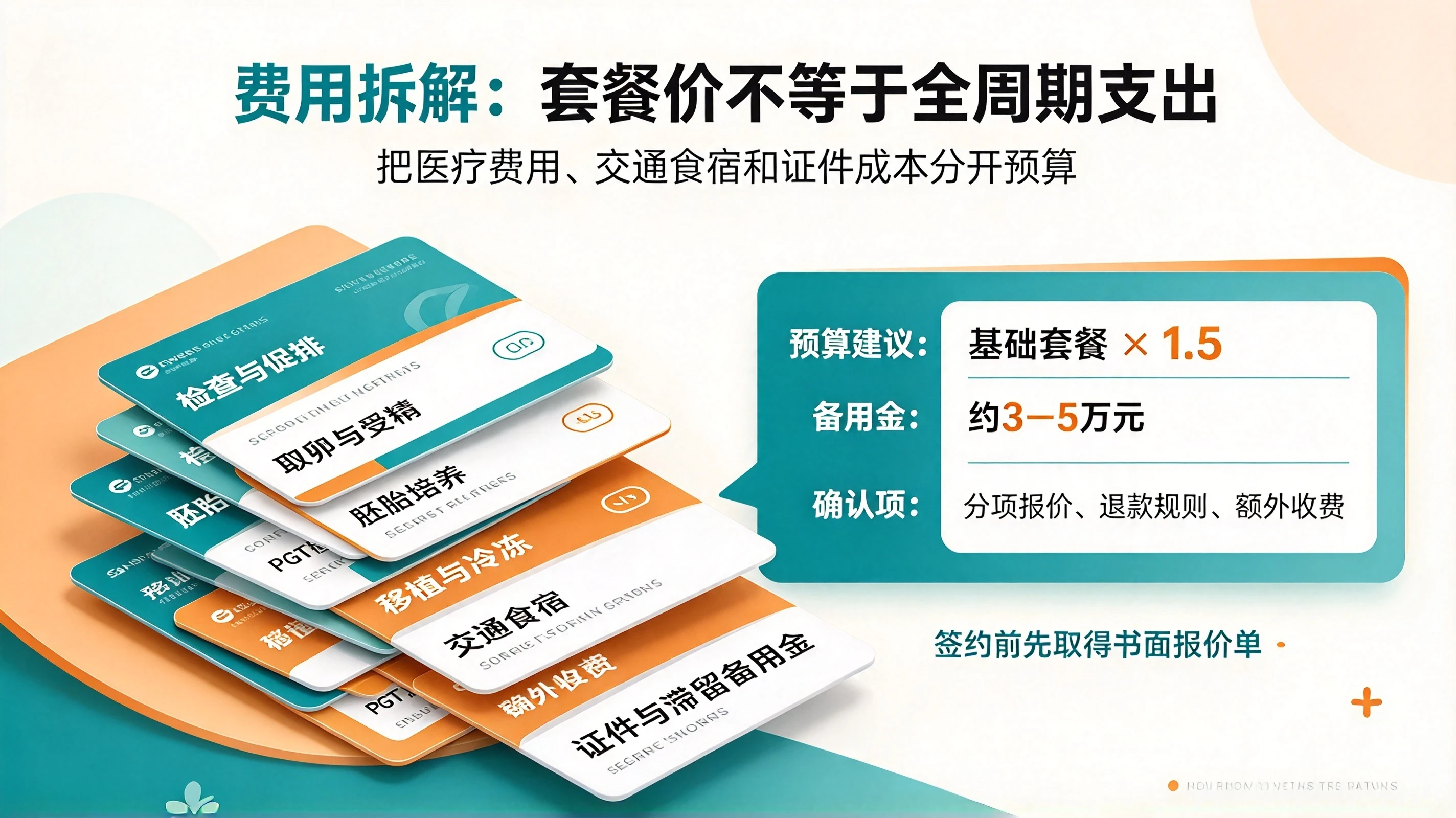
Numerous real patient experiences indicate that total out-of-pocket costs typically exceed the base package price by more than 30%. The following expenses should be factored into your budget in advance:
Transportation, accommodation, and meal costs: round-trip transportation, border crossing transfers, hotel accommodation, and dining expenses, calculated based on a full-cycle stay of 15–20 days; if multiple round trips are required, the costs will double accordingly.
Additional medical expensesPrice differences for imported medications, additional examination items, embryo testing fees beyond the package, annual embryo cryopreservation renewal fees, and endometrial preparation and transfer costs for second-time transfers.
Documentation and Overstay CostsNotarization of the birth certificate and consular authentication after the child's birth,Travel DocumentFees for processing; if the process is not smooth and delays occur, fixed daily expenses for accommodation and meals are incurred. In some cases, additional costs solely for document processing and detention can reach 30,000 to 50,000 yuan.
Budget RecommendationBased on the basic package quote, estimate the total cash expenditure for the entire cycle at 1.5 times the package price, and reserve 30,000–50,000 RMB as a contingency fund for emergencies and documentation fees.
Method for Judging Quotation Transparency
Do not merely compare the total package prices of different institutions; instead, request a detailed written itemized quotation from the facility and clarify the following rules:
Clear boundaries between items included in the package and those subject to additional charges
Billing standards for embryos exceeding the number included in the PGT package
Cost Breakdown for Frozen Embryo Thaw Transfer Following Initial Transplant Failure
Refund Rules and Settlement Methods for Cycle Cancellation and Plan Changes
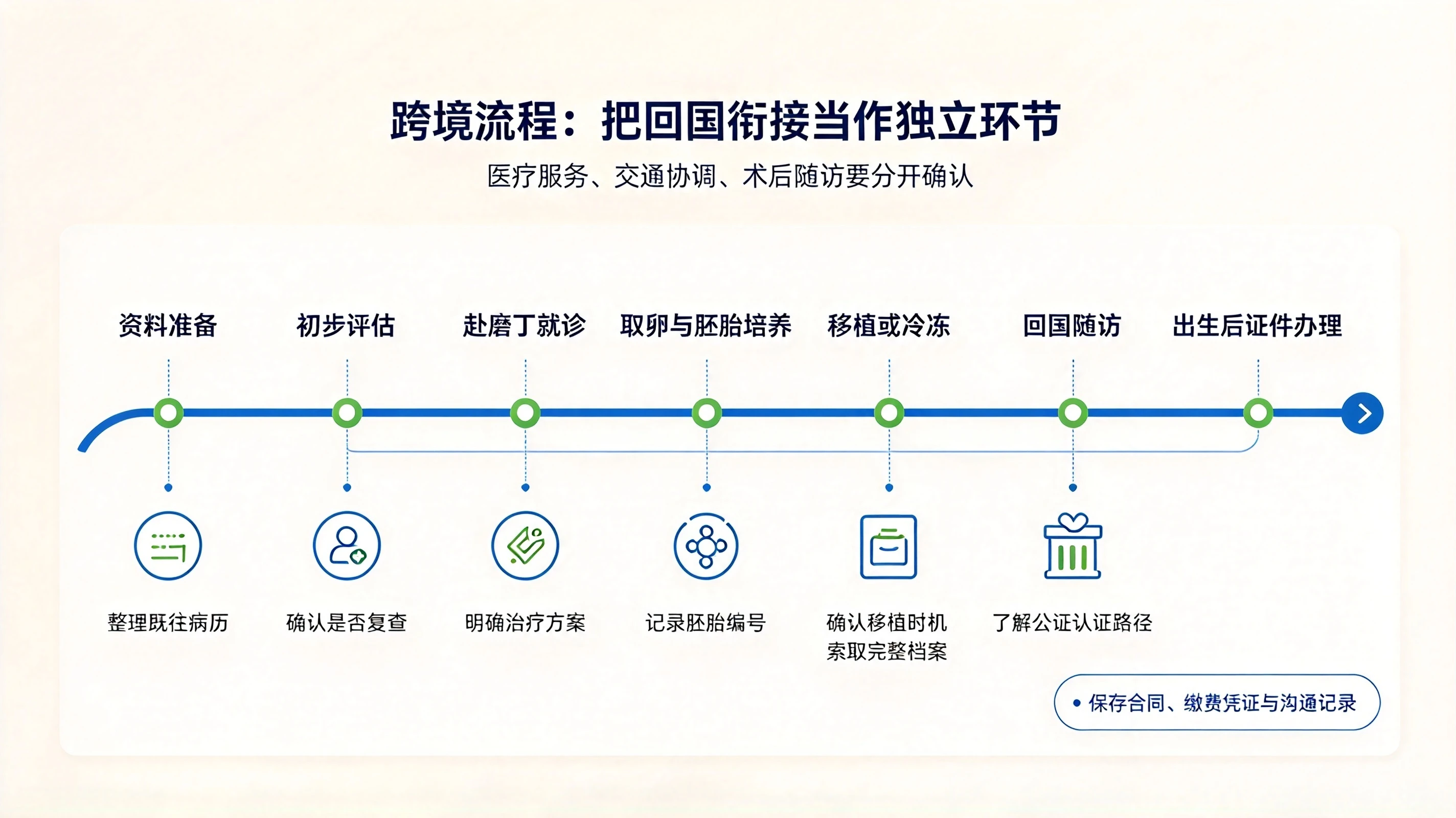
6. The Complete Cross-Border Medical Care Process: From Pre-operative Preparation to Post-return Coordination
Mohan's geographic convenience is its core advantage, but medical services and cross-border reception services are two separate systems; Chinese-speaking medical accompaniment and itinerary coordination do not equate to guaranteed medical liability coverage.
Pre-departure Preparation
Document PreparationPassport with at least six months of validity remaining, recent ID photos with a white background, visa fees, and confirmation of the latest entry policies and border crossing requirements before travel.
Medical Record Organization: Hormone panel (six items), AMH, and transvaginal ultrasound from the past 3 monthsSemen analysisReport; complete medical records from previous IVF cycles (including ovarian stimulation protocol, egg retrieval record, fertilization and embryo culture report, PGT report, and embryo transfer record); chromosomal and genetic test reports; history of chronic diseases and current medication list.
Pre-assessmentSubmit your materials to the hospital in advance for a preliminary medical assessment, confirm which items require re-examination and the general treatment direction, and avoid rushing into treatment just to meet promotional deadlines.
Local Treatment Procedures
The standard treatment cycle is largely consistent with that of reputable domestic reproductive centers: initial assessment on days 2–4 of the menstrual cycle → customized individualized ovarian stimulation protocol → monitoring during stimulation (approximately 10–12 days) → egg and sperm retrieval → embryo culture (with concurrent PGT testing) → embryo transfer → pregnancy confirmation.
TipSome basic checks can be completed domestically, without the need to travel abroad for all of them; whetherFresh embryo transferWhether to perform full embryo cryopreservation should be determined in accordance with medical advice, based on your physical condition and the status of the embryos. Do not insist on fresh embryo transfer solely to reduce the number of clinic visits.
Post-Return Medical Care Continuity
This is the most commonly underestimated aspect of cross-border assisted reproductive services. We strongly recommend that you complete this before leaving the clinic:
Request a Complete Medical Record: Including ovarian stimulation protocols and medication records, egg retrieval and fertilization records, embryo culture reports, embryo cryopreservation lists with unique identifiers, PGT test reports (if applicable), embryo transfer records, luteal phase support medication plans, and follow-up appointments.
Clarify Follow-up ResponsibilitiesConfirm whether the hospital provides remote follow-up services and emergency contact channels for abnormal situations; note that post-return pregnancy tests, ultrasounds, and prenatal care are typically conducted at domestic medical institutions in China, so it is advisable to inquire in advance about the recognition of overseas medical records by Chinese hospitals.
Subsequent Embryo Management: Written confirmation of the storage duration, renewal procedures, and transfer rules for the remaining cryopreserved embryos, as well as the institution's responsibility for embryo management in the event of a change in its operating entity.
Post-Birth Document Processing Tips
If the child is born via self-impregnation and delivered in Laos, household registration in China must follow the procedures for children born overseas. These include notarization and authentication of the birth certificate, application for a Chinese Travel Document or passport, and domestic household registration. Although Boten is geographically adjacent to China, it is legally considered an overseas location, so no simplified procedures apply. The processing time may vary, so it is advisable to familiarize yourself with the complete procedural pathway in advance.
VII. Risk Warning: Compliance and Rights Issues That Must Be Addressed in Cross-Border Assisted Reproductive Technologies
The risks of cross-border assisted reproductive technology extend beyond the medical realm; legal compliance, policy changes, and the costs of safeguarding rights are equally important factors that require thorough awareness.
Legal Compliance Red Lines
According to the Administrative Measures for Human Assisted Reproductive Technology, China has explicitly stipulated that:
Human assisted reproductive technologies must be performed in approved medical institutions for medical purposes.
Any form of buying or selling gametes, zygotes, or embryos is prohibited.
Medical institutions and healthcare professionals shall not perform any form of surrogacy technology.
Gender identification of fetuses and gender screening of embryos for non-medical purposes are prohibited.
It should be clarified that the regulatory rules for domestic medical institutions cannot be simply equated with the legal issues faced by Chinese citizens seeking medical treatment abroad. However, for activities such as surrogacy, embryo trading, and non-medical sex selection, even if conducted overseas, Chinese citizens may still face legal risks, and substantial obstacles will arise in subsequent matters such as determining parent-child relationships and registering children's household residency (hukou).
Risk of instability in local policies
Boten Assisted ReproductionThe field faces boundary disputes between the “special economic zone pilot programs” and national-level legal regulations. If Laos tightens national-level regulation or adjusts special economic zone policies in the future, it may affect the continuity of medical treatment and even lead to changes in the management of cryopreserved embryos.
Medical Rights Protection Risks
Overseas medical institutions are subject to local laws. In the event of diagnostic or treatment errors, or medical disputes:
The domestic health administrative authorities have no jurisdiction and cannot directly intervene in the handling of this matter.
The time and economic costs of cross-border evidence gathering and litigation are extremely high, making rights protection significantly more difficult than domestic cases.
It is recommended to retain all medical records, payment receipts, and written communication logs throughout the entire process as evidence to safeguard your rights.
8. Pre-Admission Practical Checklist
It is recommended to use the following checklist as a verification tool during interviews, marking each item as “official document obtained / verbal explanation only / unable to provide,” and making final decisions based solely on verified information.
1. Institutional Qualifications
Lao Ministry of Health Medical Institution Practice License (with clearly specified scope for assisted reproductive technology)
Specialized Compliance Basis for Genetic Testing Projects such as PGT
The contracting party of the medical contract is consistent with the entity holding the practice license.
The receiving account is the hospital's official corporate account.
2. Medical Team and Laboratory
Name of the attending physician and valid local practice license
Information and Professional Experience of the Embryologist Responsible for This Cycle
Implementation Entities and Chain of Responsibility for the Entire PGT Testing Process
Laboratory Quality Control Procedures and Emergency Response Plan for Abnormalities
3. Treatment Effectiveness
Clinical pregnancy rates and live birth rates for the corresponding age groups
Statistical methodology, sample size, and statistical period
Expected Outcomes and Risk Statement Regarding Individual Circumstances
4. Fees and Contracts
Itemized written quotation
Complete list of additional charge items
Refund Rules for Cycle Cancellation and Plan Changes
Written Rules for Embryo Storage Renewal and Transfer
5. Cross-border and Follow-up Services
Methods and Standards for Obtaining Complete Medical Records
Post-return follow-up coordination and channels for handling abnormalities
Responsibility Allocation and Procedures for Document Processing After a Child's Birth
Channels for Handling Medical Disputes and Applicable Laws
Conclusion
Boten Huishi Fertility Hospital offers an alternative for families with cross-border assisted reproductive needs, featuring advantages in geographic convenience, Chinese-language services, and flexible treatment options. However, it also presents clear risks regarding regulatory compliance boundaries, policy instability, and high costs of legal recourse.
Choosing an assisted reproductive technology (ART) institution is essentially choosing a systemVerifiable, traceable, and accountablethe healthcare service system, rather than an impressive success rate figure, a set of high-end equipment, or a convenient location.
If you ultimately decide to proceed, please adhere to three principles: verifiable qualifications, explainable plans, and enforceable accountability. If any one of these cannot be met, it is advisable to postpone the decision and rationally weigh the benefits against the risks.
Frequently Asked Questions
The content on this website is general educational material and compiled public information about IVF. It is provided for reference only, does not constitute a basis for diagnosis or medical decision-making, and does not constitute any medical advice or treatment recommendation. For policy and technical requirements, please refer to official publications issued by the relevant authorities and institutions. If you find any content errors, numerical inconsistencies, or outdated information, please contact us so we can verify and update it.
