
2026 Guide to IVF in Taiwan: An In-Depth Review of Dr. Wang Chia-Wei and W BestIVF, Covering Physician Credentials, Embryology Laboratory Standards, Success Rates, Costs, and Cross-Border Legal Eligibility, Providing a Comprehensive Medical Reference for Families Planning IVF Treatment in Taiwan.
Read allI. Before approaching Wang Jiawei, the first thing you should really assess is not the success rate
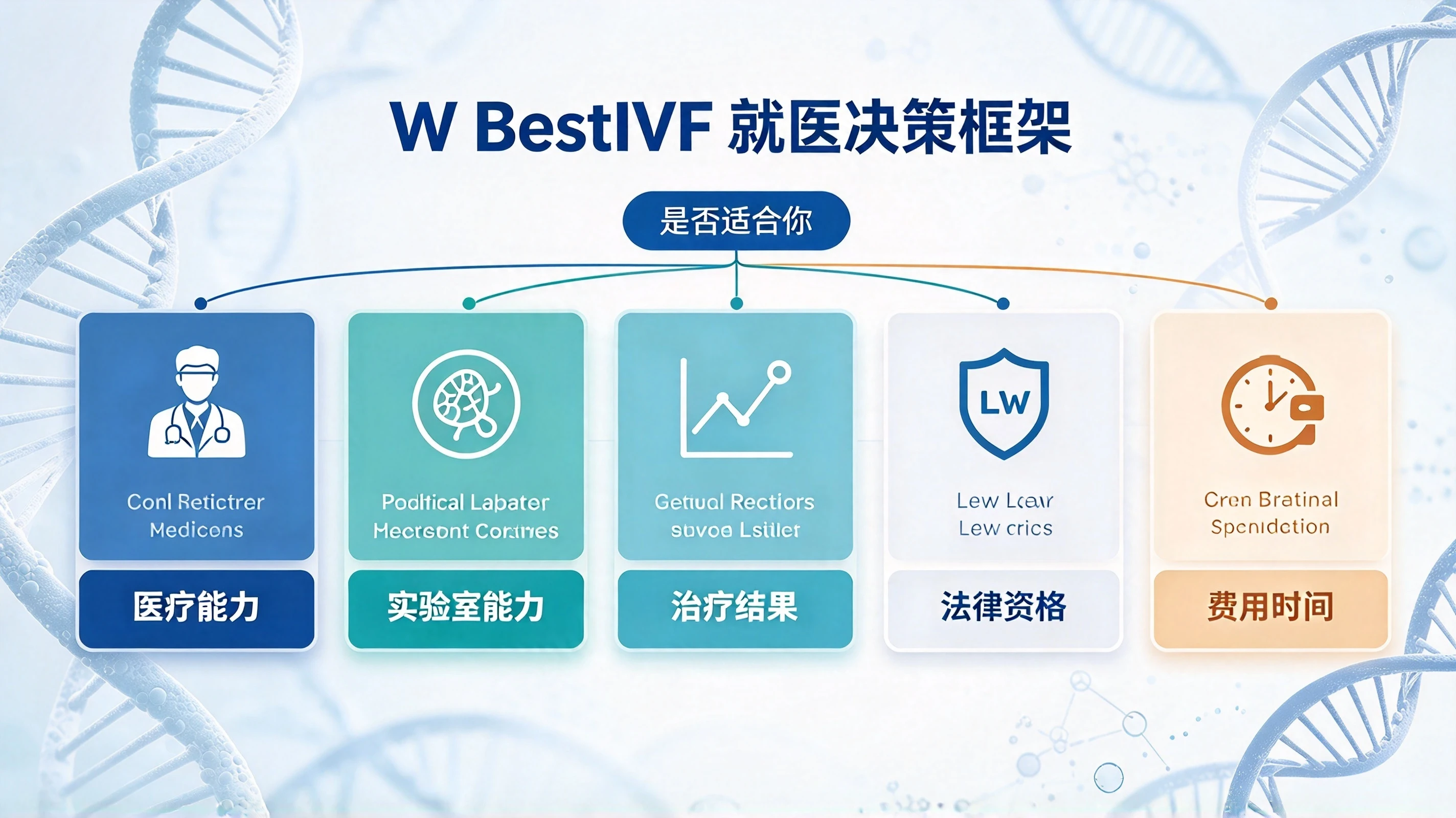
If you are considering going to the Taiwan region of China toTest tube baby, you may have already seen many introductions to reproductive centers: some emphasize renowned doctors, while others showcaseEmbryology LaboratorySome publish successful cases involving elderly patients, while others attract overseas patients through international medical services. However, this information does not directly answer a key question:Is the Wang Jiawei Obstetrics, Gynecology, Reproductive Medicine, and IVF Center suitable for your current fertility situation?This requires assessment across five core dimensions:
Medical CapabilityCan doctors develop individualized and reasonable treatment plans based on age, ovarian reserve, and previous treatment outcomes?
Laboratory CapabilitiesAre there continuous, verifiable quality data on embryo culture, fertilization, freezing, and thawing?
Treatment OutcomeCan the institution provide live birth data that matches its own age and etiology?
Law and Qualifications: Whether one's marital status, identity documents, and treatment needs comply with Taiwan's current regulations?
Economy and Time: How much treatment cost and cross-border time investment are required from the first examination to the final transplant?
The Wang Jiawei Center has a clear focus on reproductive medicine, an in-house embryo laboratory, and service channels for international patients, as well as a medical team worth learning more about. However, it is important to distinguish between two concepts:
The institution is equipped to carry out a particular technology
Institutions can achieve better treatment outcomes for a specific category of patients
The former can be verified through licenses, personnel credentials, and equipment documentation, while the latter requires evidence from clinical data. Therefore, rather than providing a simple hospital ranking, this article places Wang Jiawei in real-world patient decision-making scenarios to analyze his strengths, limitations, suitable patient profiles, and key questions that must be verified before seeking care.
II. Basic Information on the Institution: Does Wang Jiawei Center possess legitimate professional practice qualifications?
1. Institutional Overview
Wang Jiawei Obstetrics and GynecologyClinic of Reproductive Medicine and IVF Center, brand nameW BestIVF, known in English as Dr. Wang Reproductive Fertility Center, is located in the Xinyi District of Taipei City, Taiwan, China. Founded by Dr. Wang Chia-Wei, the center began operations in 2016 according to its official website and primarily focuses on infertility diagnosis and treatment as well as assisted reproductive technologies.
Table
Project | Basic Information |
|---|---|
Institution Name | Wang Chia-Wei OB/GYN Clinic Reproductive Medicine and IVF Center |
Brand Name | |
English name | Dr. Wang Reproductive Fertility Center |
Founder | Dr. Chia-Wei Wang |
Year of Establishment | 2016 |
Nature of the Organization | Private Obstetrics, Gynecology, and Reproductive Medicine Specialty Clinic |
City | Taipei City |
Core Business | IVF, ICSI, IUI,Fertility Preservation |
Embryology Laboratory | W Lab |
Official website |
2. Qualification Verification: Both clinics have official licensing records.
According to the list of assisted reproductive technology institutions updated by the Department of Health, National Health Administration, Ministry of Health and Welfare, Taiwan region in October 2026:
Wang Jiawei Obstetrics and Gynecology Clinic: The validity period of the assisted reproductive technology institution license is from October 3, 2025 to October 2, 2028
Jiawei Fertility Clinic: The license for this assisted reproduction institution is valid from October 14, 2025 to October 13, 2028.
Both institutions also appear on the list of contracted assisted reproductive technology clinics for the IVF subsidy program published by the department, confirming that they possess the official qualifications to operate as assisted reproductive technology clinics, rather than being recognized solely based on commercial promotion.
A license for an assisted reproductive technology facility does not imply that all campuses or all services have identical scopes of practice. Before making an appointment, patients should still verify which specific clinic will provide the intended treatment.
3. Two clinic locations: Do not confuse the addresses
Wang Jiawei Obstetrics and Gynecology ClinicAddress: No. 60, Section 2, Keelung Road, Xinyi District, Taipei City. Phone: 02-2758-6966. This is the primary contact method for appointments published by the institution and on its official website.
Jiawei Fertility ClinicAddress: 1st Floor, No. 525, Guangfu South Road, Xinyi District, Taipei City Phone: 02-2758-6162 It is also a licensed artificial reproductive technology center.
Appointment Reminder: Do not assume that the initial consultation, blood draws, ultrasound monitoring, egg retrieval, and embryo transfer are all completed at the same location. Cross-border patients should proactively request that clinics provide a clear schedule of treatment locations and appointments.
III. Medical Team: What Value Can Wang Jiawei’s Personal Background Bring?
Assisted reproduction is not a task that can be completed independently by a single physician. From ovarian stimulation protocols to egg retrieval, from fertilization of eggs and sperm to embryo culture, and further to embryo transfer and pregnancy management, it involves the collaborative efforts of clinicians, embryologists, nursing staff, and other professionals. To evaluate the Wang Jiawei Center, one must consider both the professional background of its founder and how the team actually collaborates in practice.
1. Dr. Wang Jiawei: Core Medical Director of the Institution
Dr. Jia-Wei Wang is the founder and director of W BestIVF, specializing in obstetrics and gynecology.Reproductive Endocrinology/Diagnosis and Treatment of Infertilityand assisted reproduction. According to the biography published on the institution’s official website, his/her main professional experience includes:
Graduated from the Medical School of National Taiwan University
Ph.D. in Clinical Medicine, Taipei Medical University
Formerly served as Director of the Infertility Department and Deputy Head of the Obstetrics and Gynecology Division at Taipei Medical University Hospital
Senior Attending Physician in the Department of Obstetrics and Gynecology at Linkou Chang Gung Memorial Hospital
He/She previously conducted research on reproductive endocrinology and infertility at New York University (NYU) in the United States.
Served as a Clinical Associate Professor at Taipei Medical University
Participation in professional organizations related to the Taiwan Society of Reproductive Medicine and Obstetrics & Gynecology Endoscopy and Minimally Invasive Surgery
It is worth noting that Wang Jiawei’s professional training encompasses not only clinical obstetrics and gynecology but also research experience in reproductive endocrinology. However, one cannot directly infer superior embryo laboratory operational skills, individualized treatment outcomes, or clinical live birth rates compared to other physicians based solely on research background. What truly needs to be assessed is whether a physician can integrate clinical examinations, ovarian response, embryo development status, and previous treatment results to make evidence-based decisions. This capacity for comprehensive judgment is particularly critical for patients with advanced maternal age, diminished ovarian reserve, and multiple failed IVF cycles.
2. Medical Team Configuration
According to the team introduction on the institution's official website, the currently publicly listed medical teams include:
Table
Physician | Official website announces positions |
|---|---|
Wang Jiawei | Dean |
Vice President | |
Chen Qianwen | Vice President |
Lu Bojia | Vice President |
Yang Zonghan | Attending Physician |
Zhuang Zhiji | Physician |
Huang Zhenying | Attending Physician |
Chen Yuru | Anesthesiologist |
In addition, the official website lists the Chief Technology Officer, Senior Embryologists, Head Nurse, and consultants. This allows patients to gain a clearer understanding of the division of labor among different professional roles, rather than assuming that all treatment procedures are performed personally by the clinic director.
3. More important than a doctor's reputation is who is responsible for your critical treatment milestones.
It is recommended to confirm the following questions during your first consultation:
Who is the doctor actually in charge of my treatment?
Is the assessment during ovarian stimulation performed by a fixed doctor?
Who performs the egg retrieval procedure?
Who interprets the embryo culture results?
Who performs embryo transfer?
If treatment fails, will the original attending physician conduct a review and formulate the next step in the treatment plan?
In particular, clarify which treatment milestones Wang Jiawei personally participated in and which tasks were handled by other doctors on the team. What truly merits comparison is not the founder’s reputation, but whether the entire team can consistently and accurately execute the same treatment strategy.
4. Patient Experience: Communication Quality and Treatment Efficiency Should Be Evaluated Separately
Common concerns in online patient reviews include the doctor’s patience in communication, waiting time for initial consultations, the experience of embryo transfer procedures, and the service provided by medical staff. Specific details such as not requiring excessive bladder retention during embryo transfer or the doctor personally assisting patients back to the recovery area reflect individual patient experiences and cannot be regarded as standard services guaranteed to all patients. Similarly, claims about milder medication protocols or lower egg retrieval numbers do not constitute factual evidence of a clinic’s uniform ovarian stimulation strategy.
If these concerns are important to you, we recommend asking about them directly during your consultation.
Is bladder filling required during embryo transfer? Can bladder preparation be adjusted based on uterine position and ultrasound findings?
How should ovarian stimulation protocols be adjusted based on ovarian reserve?
Can you receive ongoing medical communication after the initial consultation?
How are the wait times for follow-up appointments and the emergency contact mechanism arranged?
Patient experience deserves to be included in decision-making, but it cannot replace the evaluation of medical outcomes.
IV. W Lab Embryo Laboratory: Beyond Equipment Configuration, Quality Control Matters
The embryology laboratory is one of the core components of in vitro fertilization (IVF) treatment. Physicians determine the ovarian stimulation protocol, the timing of egg retrieval, and the fertilization strategy; the embryology laboratory handles sperm and egg processing, fertilization, embryo culture, assessment, cryopreservation, and thawing. The Wang Jiawei Center features an on-site W Lab embryology laboratory.
According to the publicly available environmental description on the institution's official website, the laboratory is primarily equipped with:
Table
Configuration | Main Uses |
|---|---|
Time-lapse embryo monitoring system | Continuous recording of embryonic development |
Hypoxic Culture System | Provide a controlled embryonic culture environment |
ICSI micromanipulation equipment | Supports intracytoplasmic sperm injection |
Cleanroom Management System | Control of airborne particles and environmental pollution |
Uninterruptible Power Supply System | Support stable power supply for the laboratory |
The official website describes its cleanroom specifications as exceeding ISO Class 6 and publishes information about the relevant culture equipment. Note that this cannot be directly converted to the industry-standard Class 100 certification, nor is it equivalent to quality certifications from third-party laboratories.
1. Time-lapse: Provides more observational information, but does not necessarily improve live birth rates
Time-lapse imaging records embryonic development through continuous photography, reducing the need to frequently remove embryos from the incubator for observation. Its core value lies in providing additional information about dynamic embryonic development. However, it is necessary to distinguish among three different levels of issues:
Able to observe the process of embryonic development
to more accurately select certain embryos
can improve the final live birth rate
Patients should ask: Are all embryos cultured using this system? Do dynamic observations alter embryo selection? Is there an additional fee? Do not equate the presence of the equipment with improved success rates.
2. ICSI and Spindle Observation: Not Everyone Needs It
ICSI, or Intracytoplasmic Sperm Injection, primarily involves the microinjection of a single sperm into an oocyte. Common indications include:
Severe male factor infertility
Prior conventional IVF fertilization failure
Special circumstances such as surgical sperm retrieval
Other fertilization procedures with clear medical justification
Spindle imaging can help determine the position of the oocyte spindle and provide guidance for microinjection, but it does not imply that every patient must use this technique. The American Society for Reproductive Medicine (ASRM) 2026 Committee Opinion on indications for ICSI in non-male factor infertility states that routine use of ICSI has not been shown to improve live birth rates in the absence of clear male-factor infertility or prior fertilization failure, and may even worsen live birth outcomes. For patients with low oocyte yield, diminished ovarian reserve, or advanced maternal age, routine addition of ICSI solely based on these factors is not recommended.
3. The Five Most Valuable Data Points to Request from the Laboratory
Equipment configuration is fundamental, but continuous quality data are the key indicators for assessing a laboratory's level. It is recommended to request the following metrics from the institution and verify their statistical definitions:
Table
Metrics | Items to be verified |
|---|---|
Mature oocyte rate | The proportion of MII mature oocytes after oocyte retrieval |
Normal fertilization rate | Separate statistics for IVF and ICSI |
Blastocyst formation rate | Clearly define the statistical denominator and incubation days. |
Post-thaw survival rate | Oocytes and embryos are counted separately. |
Laboratory Quality Control | Environmental Monitoring, Anomaly Event Management, and Annual Trends |
Particular attention should be paid to the statistical criteria for blastocyst formation rates: if one clinic calculates the rate based only on fertilized eggs, while another uses the total number of retrieved oocytes as the denominator, their data cannot be directly compared. Additionally, it is currently not possible to confirm that W Lab has obtained third-party laboratory accreditations such as CAP or JCI solely from equipment descriptions on official websites. If a clinic claims to hold such accreditations, it should provide the accrediting body, the scope of certification, and the validity period.
V. Success Rate: What Data Does the Wang Jiawei Center Really Need to Disclose Publicly?
This is the most critical judgment section of the entire guide. The official website showcases success cases and patient stories, which can help illustrate individual treatment experiences but do not represent average outcomes for all patients. For example, widely circulated online accounts of successful pregnancies in older patients, even if verifiable, only demonstrate that specific individuals achieved success; they cannot be used to infer overall success probabilities for patients of the same age group. As of this review, no independently verifiable, complete three-year live birth rate statistics broken down by age have been publicly released by the center. Therefore, it is inappropriate to present success rates circulating online as the institution’s official clinical outcomes.
1. First, clarify the different success rate metrics
Table
Metrics | What does it represent | Limitations |
|---|---|---|
Fertilization rate | The proportion of oocytes that are normally fertilized | does not indicate that a blastocyst can be formed |
Blastocyst formation rate | Proportion of embryos developing to the blastocyst stage | Does not necessarily mean it can be transplanted |
Clinical pregnancy rate | Proportion achieving clinical pregnancy criteria | Not equal to live birth |
Live birth rate per single transfer | Live birth rate per transfer | It is not equivalent to the overall value of a single egg retrieval. |
Cumulative Live Birth Rate | The live birth rate resulting from subsequent embryo transfers following a single oocyte retrieval cycle | The observation period and statistical criteria need to be clearly defined. |
Cumulative live birth data are particularly important for patients of advanced maternal age and those with diminished ovarian reserve. Since a single egg retrieval cycle may involve multiple stages of embryo culture, cryopreservation, and transfer, the outcome of a single transfer cannot fully reflect the value of the entire retrieval cycle.
2. How should comparisons be made across different age groups?
It is recommended to require institutions to provide data broken down by the following age groups:
Table
Age | Key Metrics |
|---|---|
Under 35 years old | Live birth rate per egg retrieval, cumulative live birth rate |
35–37 years old | Number of oocytes retrieved, blastocyst formation rate, and cumulative live birth rate |
Aged 38–40 | Proportion of available embryos and transplantation outcomes |
41–42 years old | Live birth rates and cycle cancellation rates in autologous oocyte treatments |
43 years old and above | Oocyte Self-Therapy: Expectations, Alternatives, and Pregnancy Risks |
A further distinction must also be made: from egg andEgg donation, first treatment and repeat treatment, fresh embryos and frozen embryos,PGT-APatients who did not undergo PGT-A, those in egg retrieval and transfer cycles, as well as patients with canceled cycles or no available embryos for transfer. The "Report on the Results of Assisted Reproductive Technology" published by Taiwan's National Health Administration provides insights into the overall assisted reproductive treatment landscape in the region; however, it represents regional aggregate statistics and cannot substitute for the center's own clinical data from Wang Jiawei Center.
3. Six Questions That Must Be Asked During the First Visit
Could you please provide the live birth rates using autologous oocytes, grouped by age, for the past three years?
Are the statistics based on the number of patients, egg retrieval cycles, or embryo transfer cycles?
Does it include patients with cancelled cycles, no blastocysts, and no transferable embryos?
What is the cumulative live birth rate after all embryos derived from a single egg retrieval cycle have been transferred?
Are PGT-A patients and non-PGT-A patients analyzed separately?
Can you provide an individualized prognosis based on my age, AMH, AFC, and previous treatment records?
If an institution cannot provide complete public data, you may also ask the attending physician to provide a probability range based on their individual assessment, along with an explanation of the estimation basis, key uncertainties, and conditions for subsequent adjustments. Do not merely ask what the success rate is; instead, inquire about which specific patient population this figure applies to, what constitutes the denominator in the calculation, and what outcome is ultimately being measured.
6. Who Should Consider Wang Jiawei? Decision Guide for Different Treatment Needs
The technical programs at the Wang Jiawei Center are comprehensive; however, having a full range of technical programs does not mean that every patient needs to undergo all of them.
1. First-time IVF patient
For couples undergoing IVF for the first time, the priority is not choosing a hospital with the most technologies, but rather completing a standardized evaluation of infertility causes. The initial consultation should cover:
Are there any tubal factors?
Is there a male factor?
Do ovarian reserve and age influence the timing of treatment?
Is it necessary to proceed directly with IVF?
Can other treatment options, such as IUI, be considered first?
If you are advised to add a large number of advanced tests during your initial treatment, you should first ask how each test will actually help inform treatment decisions.
2. Elderly patients or those with diminished ovarian reserve
These patients should pay particular attention to time costs. AMH and antral follicle count can help assess ovarian reserve and potential response to ovarian stimulation, but they cannot independently determine egg quality or the likelihood of a live birth. The initial consultation should focus on discussing:
How many mature oocytes are expected to be retrieved?
Is an adjustment to the ovarian stimulation strategy needed?
Is there a risk of ovarian hyperstimulation?
How many usable embryos are expected to be formed?
What should be the next step if a blastocyst is not obtained on the first attempt?
Is it necessary to consider multiple egg retrieval cycles?
It should be particularly emphasized that retrieving 10–15 oocytes in a single cycle is not a uniform target for all patients. Treatment goals should be determined by age, ovarian reserve, prior response, and safety considerations.
3. Patients with recurrent implantation failure
If multiple transplantation failures have already occurred, the first step is not to endlessly add more tests, but rather to reanalyze at which stage the failure occurred. Repeated failures can be reviewed from four directions:
Embryonic factors: Re-evaluate embryonic development, morphological assessment, chromosome-related risks, and previous laboratory records
Uterine factors: Assess the uterine cavity structure, endometrial condition, and any lesions that may affect implantation
Endocrine and Systemic Factors: Evaluate thyroid function, glucose metabolism, and other factors that may affect pregnancy based on the medical history.
Treatment Plan FactorsRe-evaluate the ovarian stimulation protocol, embryo transfer timing, luteal phase support, and previous treatment course
Special caution is required regarding immune factors: one must notRecurrent implantation failureIt should not be directly equated with immune abnormalities, nor should immune testing and immunotherapy be used as routine packages in the absence of clear indications. The recommendations on recurrent implantation failure from the European Society of Human Reproduction and Embryology (ESHRE) clearly state that the quality of evidence for different immune tests and treatments varies, and some are not yet recommended for routine use.
4. Patients with male factor infertility
If severe oligospermia, asthenospermia, abnormal sperm morphology, or a history of fertilization failure is present, it is important to determine whether the facility can provide appropriate andrological assessment and intracytoplasmic sperm injection (ICSI). However, note that abnormal sperm morphology alone does not automatically necessitate ICSI. It is recommended to determine the fertilization method based on semen analysis, necessary further evaluations, and previous fertilization outcomes.
5. Women with egg freezing needs
Egg freezingIt’s not simply about freezing and storing eggs. What truly matters are: the age at which eggs are frozen, AMH levels and antral follicle count (AFC), the expected number of mature eggs retrieved, the likely number of egg-retrieval cycles needed, post-thaw survival, fertilization, and blastocyst formation rates, as well as the total future cost of using these eggs. Egg freezing preserves the option for future fertility; it does not guarantee that pregnancy will occur.
6. Preliminary suitability assessment for different patients
Table
Patient Type | Is further consultation recommended? | Main areas of verification |
|---|---|---|
First-time IVF couple | Sure | Basic Assessment, Treatment Pathway |
Women over 35 | Sure | Age-specific live birth rate |
Women with low AMH | Sure | Treatment Experience with Low Response |
Male factor infertility | Sure | Indications for ICSI |
It is recommended to conduct an in-depth assessment | Etiological Investigation and Treatment Review | |
Recurrent miscarriage | It is recommended to conduct an in-depth assessment | Genetic, uterine, and endocrine factors |
Egg freezing demand | Sure | Expected Mature Eggs and Long-Term Costs |
Egg donation demand | First, confirm legal eligibility | Donation System and Eligibility for Recipients |
Single women, lesbian couples | Verify legal and medical practice qualifications first | Do not book treatment based solely on promotional claims |
Surrogacy Demand | Not suitable for Taiwan as a destination | Current regulations do not permit the use of surrogate mothers. |
7. IVF, ICSI, PGT, and IUI: Avoid unnecessary costs driven by the availability of a full range of technologies
1. IVF: The core lies in formulating reasonable egg retrieval and embryo transfer strategies.
IVF primarily includes ovarian stimulation, egg retrieval, fertilization, embryo culture, and either embryo transfer or cryopreservation. Ovarian stimulation protocols may vary significantly among different patients. In particular, for individuals with diminished ovarian reserve, the focus should not be solely on maximizing the number of eggs retrieved, but rather on also considering oocyte maturity, embryo development, and ovarian safety.
2. ICSI: Not a mandatory procedure for all IVF patients
ICSI is primarily indicated for cases with clear male factor infertility or a history of fertilization failure. In the absence of specific indications, patients should inquire about the expected differences between conventional IVF and ICSI in their individual cases, avoiding the misconception that additional procedures guarantee improved success rates. As previously mentioned, the ASRM 2026 guidelines explicitly recommend against the routine use of ICSI in patients without male factor infertility.
3. PGT-A, PGT-M, and PGT-SR: The three techniques should not be conflated
Table
Technology | Primary Detection Objective | Common Applicable Scenarios |
|---|---|---|
PGT-A | Embryo Chromosome Aneuploidy Screening | Individualized assessment based on age, medical history, and embryonic status |
PGT-M | Detection of Specific Monogenic Genetic Diseases | The couple carries a clear pathogenic variant. |
PGT-SR | Detection Related to Chromosomal Structural Rearrangements | One party has a chromosomal structural abnormality |
PGT-A is particularly prone to being marketed as a guarantee of high success rates; however, it cannot ensure embryo implantation, ongoing pregnancy, or eventual live birth, nor does it screen for all genetic disorders. The American Society for Reproductive Medicine’s 2024 Committee Opinion on PGT-A states that there is currently no evidence that routine use of PGT-A for all IVF patients improves overall reproductive outcomes, and therefore recommends against its indiscriminate universal application. For patients with a limited number of embryos, it is especially important to discuss the potential costs of testing, the impact of biopsy, mosaic results, and management options for inconclusive reports.
4. IUI: Some patients do not need to proceed directly to IVF
Artificial inseminationIt is suitable for patients with mild male factor infertility, unexplained infertility, and ovulatory disorders. However, in the presence of severe tubal factors, significant male factor issues, or age-related time pressure, repeated low-yield intrauterine insemination (IUI) cycles may result in unnecessary delays. Treatment decisions should be guided by expected benefits rather than following a sequential trial of services offered by an institution.
8. Cost Budget: When Going to Taiwan for IVF, Don’t Just Ask About the Price per Cycle
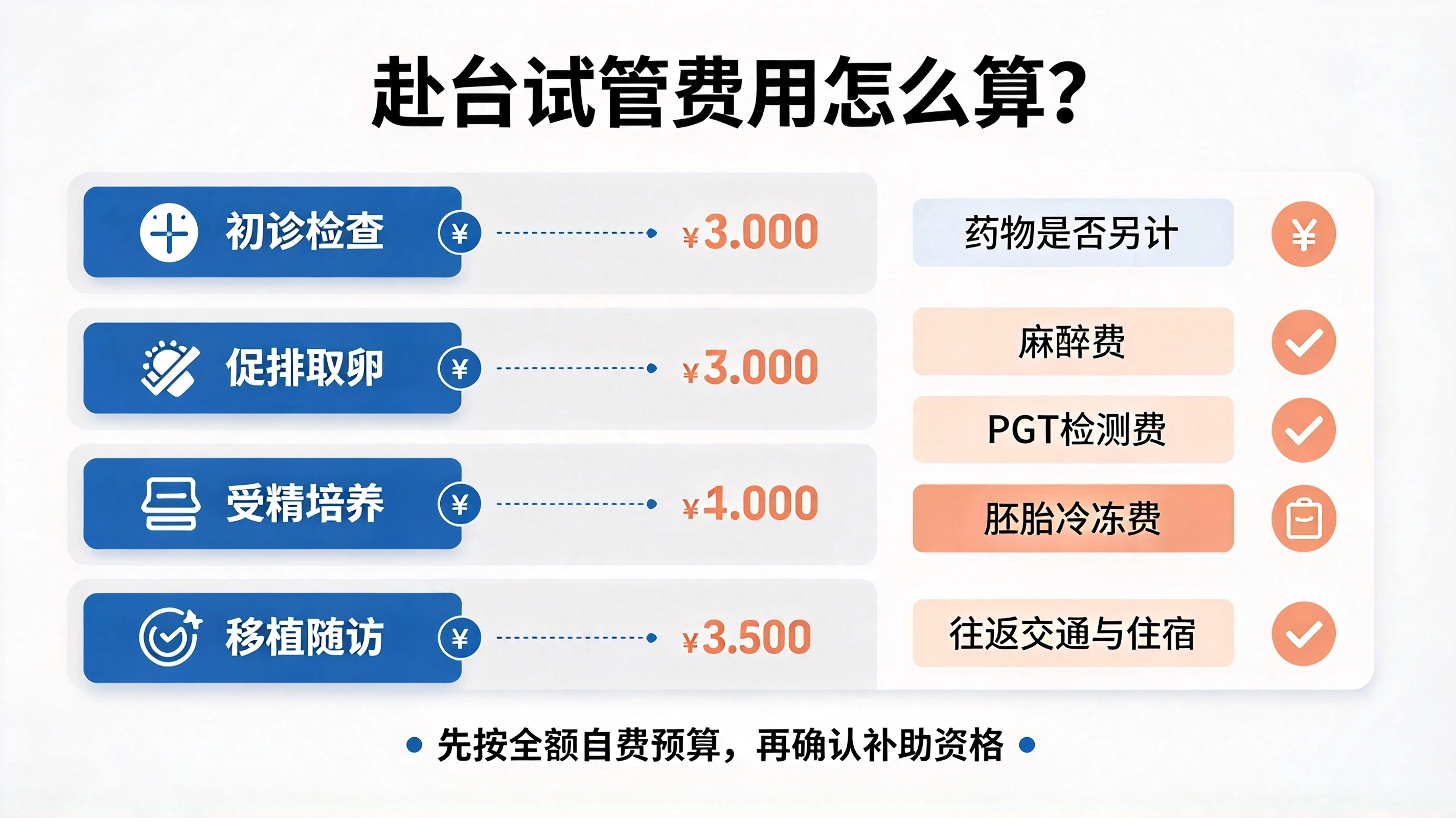
A complete, itemized 2026 price list for the Wang Chia-Wei Center is not currently available in a fully public form that can be independently verified. Therefore, it is not advisable to present online quotes or fees from other clinics in Taiwan as official prices of the Wang Chia-Wei Center. For cross-border patients, a more practical approach is to break down the budget by treatment stages.
1. Main Cost Components of IVF
Table
Expense Phase | Specific Fee Items | Confirmation is required in advance |
|---|---|---|
Initial Examination | Clinical examination, ultrasound, hormone tests, AMH, and semen analysis | Do you accept inspection reports from overseas? |
Ovarian Stimulation Phase | Ovulation induction medications, ultrasound monitoring, and blood tests | Are medications charged separately? |
Egg Retrieval Phase | Egg retrieval, anesthesia, and consumables | Anesthesia fees and special procedure charges |
Fertilization and Culture | IVF, ICSI, Embryo Culture | Are there any additional training fees? |
PGT Testing | Embryo biopsyGenetic testing | Is the fee charged based on the number of embryos? |
Cryopreservation | eggs,Embryo cryopreservationand preservation | First-Year Fees and Renewal Standards |
Transplantation Stage | Endometrial preparation, embryo thawing, and transfer | Does it include luteal phase support? |
Follow-up | Pregnancy testing, early pregnancy ultrasound | Is it included in the original treatment costs? |
2. It is recommended that the agency provide three independent quotes
Do not request only a quote for an IVF package; instead, ask the international medical desk to provide written budgets for the following three scenarios:
Option A: One egg retrieval, attempting a fresh embryo transferInitial Examination → Ovarian Stimulation → Egg Retrieval → Embryo Culture → Fresh Transfer When Conditions Are Met
Plan B: One egg retrieval, full embryo cryopreservation, followed by frozen embryo transferInitial examination → Ovarian stimulation → Egg retrieval → Embryo culture → Cryopreservation → Endometrial preparation → Thawing and embryo transfer
Plan C: No viable embryos were obtained from a single egg retrieval, requiring another round of ovarian stimulation.In addition to the cost of the first treatment cycle, calculate recurring expenses for repeat ovarian stimulation, egg retrieval, fertilization, and embryo culture.
The actual total costs for these three scenarios may vary significantly.
3. Additional Costs Often Overlooked by Cross-Border Patients
In addition to medical expenses, you also need to prepare for:
Round-trip airfare and baggage fees
Accommodation and Daily Transportation in Taipei
Extended accommodation during the monitoring period for ovarian stimulation
Repeated transportation costs incurred from multiple trips to Taiwan
Time and living expenses of accompanying personnel
Itinerary adjustments during the PGT report waiting period
Reserve funds for subsequent egg retrievals and multiple embryo transfers
Particular caution is needed against bundling a single egg retrieval, PGT testing, embryo freezing, andFrozen Embryo TransferPackaged as a seemingly comprehensive treatment plan, without specifying whether each component is included.
4. Taiwan's IVF Subsidy 3.0+: Can Overseas Patients Apply?
The revised subsidy scheme announced by the Ministry of Health and Welfare of Taiwan in August 2026, effective September 1, 2026. The main adjustments include:
Under 40 years old: A maximum subsidy of NT$150,000 per session for the second and third treatment cycles per pregnancy
Ages 40 to under 45: A maximum subsidy of NT$130,000 per cycle for the second and third treatment cycles per birth
The amount here represents the maximum subsidy for specific treatment plans that meet the eligibility criteria, and does not imply that all items are eligible for the same subsidy amount.
Eligibility for the subsidy is not determined by where treatment is received, but by whether the applicant meets the prescribed criteria regarding identity, marital status, age, and medical conditions. The current program sets key eligibility requirements such as the female partner being under 45 years of age and at least one spouse holding household registration in Taiwan. Therefore:
Both parties must be registered under mainland household registration or hold foreign nationality, and without a qualified spouse with Taiwan-area household registration, the subsidy cannot be included in the budget.
If one spouse has a household registration in the Taiwan region, this alone cannot be used to directly determine that they necessarily meet the requirements; their eligibility must still undergo qualification review.
The clinic is a subsidized contracted institution, which does not mean that all overseas patients seeking treatment at this clinic are eligible to apply.
Special Notice: Both Wang Chia-Wei Obstetrics and Gynecology Clinic and Jiawei Fertility Clinic are included in the list of subsidized contracted institutions published in October 2026; however, this does not exempt individuals from meeting the eligibility requirements for subsidies. Cross-border patients should initially budget based on full out-of-pocket costs and only consider incorporating subsidies into their budgets after obtaining explicit confirmation of eligibility from the relevant authorities or institutions.
IX. Legal Eligibility: Confirming Your Legal Right to Receive Treatment Before Undergoing IVF in Taiwan in 2026
For overseas patients, the Taiwan regionAssisted Reproductive Technology ActRegulations may more directly influence choice than technical differences between clinics. In particular, single women, lesbian couples, and individuals requiring donor eggs should prioritize legal eligibility before scheduling appointments or making payments.
1. What are the provisions of the current Artificial Reproduction Act regarding eligible recipients?
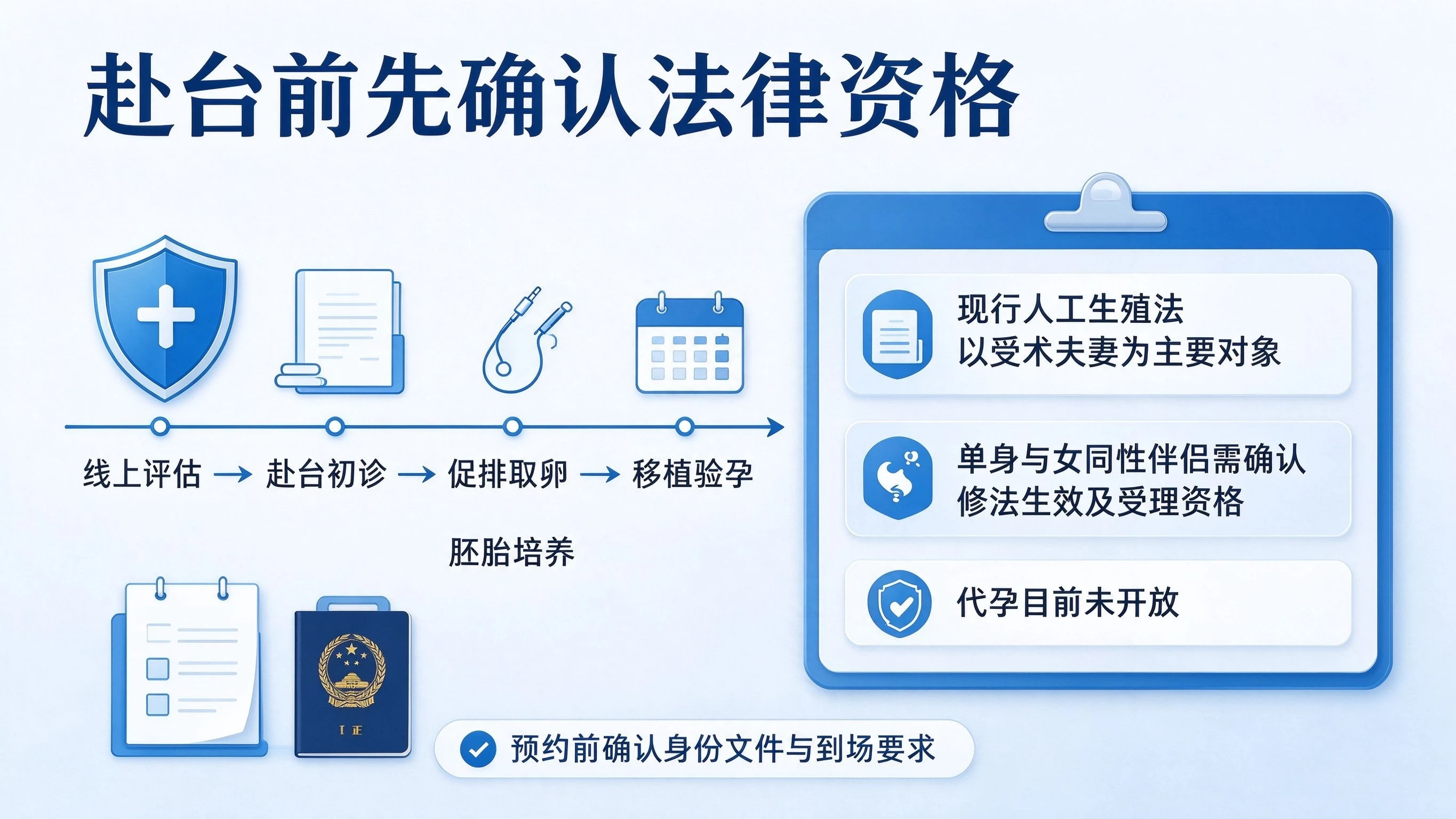
Under the currently effective Assisted Reproduction Act of Taiwan (revised version dated January 3, 2018), Article 2 defines “recipient spouses” as the primary subjects for assisted reproduction procedures. Article 11 stipulates that couples may undergo assisted reproduction only if they meet medical assessment criteria related to infertility or serious genetic diseases, and satisfy conditions regarding reproductive cells and pregnancy.
This means:
Married heterosexual couples must meet medical and legal requirements.
The fact that an institution has a dedicated international medical section does not mean that all individuals are eligible for treatment.
Whether overseas marriage documents meet the recognition requirements of medical institutions in Taiwan needs to be verified in advance.
Egg and sperm donation involve additional legal procedures and informed consent requirements.
2. Single women and female same-sex couples: Progress in legal reform should not be equated with the option already being available
In December 2025, the Executive Yuan of Taiwan passed a draft amendment to the Artificial Reproduction Act, proposing to extend eligibility for assisted reproductive technologies to unmarried women and female same-sex couples who have completed marriage registration. However, the passage of the draft by the Executive Yuan does not mean that the law has already taken effect. On July 16, 2026, the relevant committee of the Legislative Yuan continued its review of the amended draft, conducting article-by-article discussions on provisions from the Executive Yuan’s version. The first-reading stage approved expanding eligibility to include female same-sex spouses and single women, while provisions related to surrogacy were decoupled and handled separately.
As of November 2026, the amendment has not yet completed its third reading nor been officially promulgated and entered into force. The current law page on the legal department’s regulatory database still displays the version amended on January 3, 2018. Therefore, determinations must be based on the currently effective law; the expanded scope proposed in the draft amendment cannot be treated as already applicable for implementation.
In particular, single women from overseas should not misinterpret the proposed conditions in the draft—such as those related to household registration and long-term residency—as implying that they can travel to Taiwan for treatment simply by meeting a specific age requirement. It is recommended that single women and female same-sex partners request clear explanations from institutions before paying fees or purchasing air tickets: specifically, whether their cases can be accepted under current laws, and which exact legal provisions serve as the basis for such acceptance.
3. Egg donation: Implement a non-remunerated donation system
Taiwan's current laws allow eligible couples to receive donated oocytes after meeting statutory requirements. The existing framework mainly includes:
Female donors must be at least 20 years old and under 40.
Male donors must be at least 20 years old and under 50.
Donors must undergo the required health examinations and assessments.
Gamete donation must be non-commercial in nature.
Recipient couples cannot designate a specific donor
Necessary expenses, including relevant examinations, medical treatment, transportation, and loss of working hours, may be handled in accordance with the regulations of the competent authority.
It is essential to distinguish between compensation for necessary expenses and the commercial purchase of eggs, as these are not the same concept. International patients should also inquire in advance about egg donor resources, waiting times, donor screening, and legal documentation requirements.
4. Is surrogacy permitted?
Surrogacy is currently not permitted. The existing Artificial Reproductive Technology Act in the Taiwan region does not allow surrogacy arrangements, and the 2025 legislative amendment proposal decouples the issue of surrogacy from other proposed reforms regarding expanded eligibility for assisted reproductive technologies. Therefore, it should not be assumed that because the Taiwan region permits in vitro fertilization (IVF), egg donation, or embryo cryopreservation, surrogacy can also be legally arranged there. Families with surrogacy needs must separately evaluate the legal frameworks, pregnancy arrangements, parentage establishment, and cross-border identity documentation issues in other jurisdictions; IVF treatment and surrogacy services should not be conflated.
X. Medical Treatment Process in Taiwan: What Do You Need to Prepare? How Long Should You Stay in Taipei?
The official website of Wang Jiawei Center features a dedicated section for international medical services and provides information on the documents required for overseas patients to undergo IVF in Taiwan. Official contact channels:
Official Website:www.bestivf.com.tw
Reservation Phone: 02-2758-6966
Phone number for the second clinic location: 02-2758-6162
What medical documents need to be prepared before traveling to Taiwan?
It is recommended to compile all previous examination records into a complete medical file.
Bride's ProfileAge and menstrual history, AMH testing, baseline reproductive hormones, antral follicle count (AFC), uterine and endometrial ultrasound, tubal patency test results (if available), and records of previous gynecological surgeries and medication use
Groom's Profile:Semen analysisAnalysis, sperm morphology and motility, necessary male reproductive-related examinations, and previous records of sperm retrieval and fertilization
Previous IVF treatment records: If you have previously undergone IVF at other clinics, please provide complete laboratory reports, including the number of eggs retrieved, the number of mature MII oocytes, the number of normally fertilized embryos, the number of day-3 embryos, the number of blastocysts, the number of frozen embryos, the number of transfer cycles, and pregnancy outcomes.
The final embryo grade alone is often insufficient to determine the cause of prior treatment failure.
2. The Five Stages of IVF in Taiwan
Online Consultation and Preliminary AssessmentSubmit the examination report and previous treatment records, confirm whether additional tests are required, and verify if you meet the institution’s admission criteria.
First Visit in Taiwan: Both partners complete the necessary evaluations, and the doctor discusses the treatment plan, ovarian stimulation protocol, costs, and timeline.
Ovarian Stimulation and Egg RetrievalOvarian stimulation is scheduled based on the menstrual cycle and test results, with follicular development monitored via ultrasound and blood tests during this period. Once the criteria for egg retrieval are met, the procedure is arranged.
Fertilization and Embryo CultureSelect the fertilization method based on semen parameters, perform embryo culture, and discuss fresh transfer, full embryo cryopreservation, or PGT testing.
Embryo Transfer and Pregnancy Confirmation: Arrange the transfer based on the endometrial status, administer luteal phase support, and then monitor via bloodHCGand necessary ultrasound examinations to confirm the pregnancy
3. How long do cross-border patients need to stay in Taiwan?
It is not recommended to provide a uniform standard length of stay for all patients, as the actual duration depends on factors such as whether pre-cycle examinations have been completed, the ovarian stimulation protocol and follicular growth rate, the need for medication adjustments, whether egg retrieval and fresh embryo transfer are performed, whether PGT testing is conducted, whether full embryo cryopreservation is chosen, and whether follow-up visits can be partially completed at the patient’s place of residence.
You can make an initial plan as follows:
Table
Treatment Plan | Itinerary Highlights |
|---|---|
Initial Visit and Examination | Arrange based on the completeness of the information |
Ovarian stimulation and egg retrieval | Coverage of the monitoring and egg retrieval phases is required |
Embryo culture | Awaiting fertilization and culture results |
PGT Testing | Allow time for biopsy, specimen submission, and report generation |
Frozen Embryo Transfer | May need another trip to Taiwan |
Pregnancy Testing and Early Pregnancy Follow-up | Confirm in advance whether it can be completed at the place of residence |
For patients who opt for full embryo cryopreservation, egg retrieval and embryo transfer typically need to be planned separately. The fact that ovarian stimulation and egg retrieval can be completed during a single visit does not mean that the entire IVF treatment cycle can be finished within the same trip to Taiwan.
4. Confirm these six things with the international medical desk before booking your flight
Which inspections can be completed at the residence?
Can I proceed directly to an ovarian stimulation cycle on my first visit to Taiwan?
How long is the expected stay during ovarian stimulation and egg retrieval?
After whole-embryo freezing, how is the second transfer scheduled?
Is personal attendance required during PGT testing and embryo preservation?
Which medical and legal documents require joint signatures from both spouses?
It is also recommended to require a contingency plan for an extended stay. In cross-border medical care, the biggest fear is not staying a few extra days, but failing to reserve sufficient time and funds, which can lead to treatment being forcibly interrupted.
XI. What are the strengths of Wang Jiawei Center, and what aspects require caution?
After cross-verifying information from the institutions' official websites, regulatory authorities, and professional guidelines, their characteristics can be categorized into the following two aspects.
1. Advantages Worth Further Exploration
First, the clinic has a clear focus on reproductive medicine. Its primary services center on infertility and assisted reproduction, supported by dedicated medical teams and an in-house embryology laboratory. Second, the physician team offers comprehensive expertise. In addition to founder Wang Jiawei, the team includes multiple vice directors, attending physicians, and anesthesiologists, along with embryologists and nursing staff. Third, it operates an in-house embryology laboratory. The official website details configurations such as low-oxygen culture systems, time-lapse imaging, ICSI micromanipulation, and laboratory environment management. Fourth, treatment options are extensive. Services cover IVF, ICSI, IUI, PGT-related procedures, and fertility preservation. Fifth, international patient support channels are available. A dedicated international medical section and resources for overseas patients facilitate pre-visit communication for cross-border care. Sixth, both clinics hold official licenses for assisted reproductive technology, providing patients with verifiable evidence of their legal accreditation.
2. Current limitations requiring further verification
Table
Evaluation dimensions | Current situation | Actions to be taken by the patient |
|---|---|---|
Age-Specific Fertility Rate | No complete, independent, and verifiable data obtained | Request to provide a statistical table |
Cumulative Live Birth Rate | Complete public data not obtained | Requirements for specifying the statistical scope |
Laboratory Quality | Equipment and Environment Overview | Request continuous quality data |
Third-party certification | Failed to verify certifications such as CAP and JCI | A valid certificate is required. |
Full fee | Full 2026 price list not obtained | Request a written quotation |
Actual Division of Labor Among Physicians | Team roster published on the official website | Confirm the attending physician and surgeon |
International Patient Itinerary | An international medical channel is available. | Request a personalized schedule |
Rituals for individuals with special identities | Subject to current regulatory restrictions | First, confirm legal eligibility |
It must be emphasized here that the absence of publicly available data does not necessarily indicate poor treatment outcomes, but patients should also not assume excellent clinical results simply due to a lack of negative information.
XII. Final Decision: When Is It Worth Choosing Wang Jiawei?
The inclusion of Wang Jiawei in the candidate list should not be based solely on a physician’s high profile, numerous case studies on official websites, or seemingly comprehensive equipment configurations. A more reasonable assessment is whether it provides sufficient capability in the medical aspects you most need and is willing to demonstrate this through data and clear treatment plans.
Table
Your actual situation | Suggestion |
|---|---|
First time undergoing IVF | Initial consultations can be booked. Compare with other licensed institutions. |
Advanced age or low AMH | Key points on low-response treatment protocols and cumulative live birth data |
Multiple transplant failures | Focus on assessing the ability to systematically troubleshoot and review treatments |
Male factor infertility | Focus on verifying the indications for ICSI and laboratory data |
Egg freezing | Key comparison of mature egg expectations and future usage costs |
Cross-border medical care | First, confirm legal qualifications, written quotations, and travel arrangements. |
Single women, lesbian couples | First, verify whether the amendment has officially taken effect and whether it actually confers eligibility for acceptance. |
In need of surrogacy | Taiwan,Taiwan should not be used as a destination for surrogacy arrangements. |
Final judgment: The Wang Jiawei Obstetrics, Gynecology, Reproductive Medicine, and IVF Center features a clear specialization in reproductive medicine, valid licensing records for assisted reproduction services, an on-site embryology laboratory, and a relatively complete medical team, making it worthy of inclusion.IVF in TaiwanThis is a preliminary comparison list. However, what most needs to be addressed at present is not more equipment introductions or success stories, but continuous clinical data, itemized fees, and individualized treatment estimates that patients can actually use for comparison.
For older patients, priority should be given to comparing cumulative live birth rates after a single egg retrieval cycle; for patients with repeated treatment failures, priority should be placed on evaluating the center’s ability to conduct etiological analysis and review past treatments; for cross-border patients, priority should be given to confirming legal eligibility, total budget, and treatment itineraries. Ultimately, choosing a reproductive medicine center is not about selecting the institution that promises the highest success rate, but rather one whose medical team can clearly explain expectations, respect treatment boundaries, manage risks appropriately, and is willing to re-evaluate the treatment pathway when outcomes are suboptimal. Whether Dr. Wang Jiawei is suitable for you will ultimately be determined by your medical records, in-person consultation, verifiable data, and a written treatment plan.
XIII. Final Checklist Before Traveling to Taiwan for Medical Treatment
We recommend using the following checklist directly during your initial consultation. Do not wait until after you have paid for treatment to discover that certain key issues were not confirmed.
1. Medical Team
Confirm the actual attending physician and their area of specialization
Confirm the egg retrieval, embryo transfer, and anesthesia physicians
Confirm which treatment nodes Wang Jiawei personally participated in
Confirm the specific division of responsibilities between the two clinical locations
2. Laboratory and Treatment Data
Request for live birth data by age group for the past three years
Confirm the statistical criteria for fertilization rate and blastocyst formation rate
Understanding the embryo andEgg freezingSurvival rate after resuscitation
Confirm PGT partner laboratories and reporting cycles
Complete treatment review mechanism after a failed inquiry
3. Fees and Contracts
Obtain a written itemized quotation
Verify whether separate charges apply for medications, anesthesia, and laboratory procedures
Confirmation of Embryo Freezing and Annual Storage Fees
Clarify the fee rules for repeat egg retrieval and repeated embryo transfer
Confirmation of Refund, Cancellation, and Treatment Postponement Terms
4. Laws and Cross-Border Arrangements
Confirm that you meet the current eligibility requirements for the procedure in Taiwan.
Verify Marriage and Identity Document Requirements
Confirm the legal conditions for egg donation and other special programs
Procedures requiring the physical presence of both the individual and their spouse
Develop contingency plans for stays and extensions in Taiwan
This checklist is intended solely for medical appointment preparation and does not imply that the healthcare institution has completed any relevant verification. If the institution cannot provide clear answers regarding legal qualifications, treatment data, fee details, or physician responsibilities, it is not advisable to rush into signing a contract.
Official Website of Wang Jiawei Reproductive Medicine Center
Introduction to the Team at Wang Jiawei Reproductive Medicine Center
Introduction to the Laboratory Environment at Wang Jiawei's Reproductive Medicine Center
Address and Transportation Information for the Wang Jiawei Reproductive Medicine Center
Frequently Asked Questions
The content on this website is general educational material and compiled public information about IVF. It is provided for reference only, does not constitute a basis for diagnosis or medical decision-making, and does not constitute any medical advice or treatment recommendation. For policy and technical requirements, please refer to official publications issued by the relevant authorities and institutions. If you find any content errors, numerical inconsistencies, or outdated information, please contact us so we can verify and update it.