
Screening and Pitfall Avoidance for Cross-Border Surrogacy Pregnant Carriers and Egg Donors in Laos: Interpreting Local Legal Red Lines on Surrogacy, Key Medical Assessment Criteria, Verification of Agency and Clinic Credentials, Risks Related to Human Trafficking, and Identification of Various Agency Scams
Read allData verification as of: November 4, 2026
I. Premise: Confirm legality first, then discuss personnel screening
atCross-Border Assisted Reproductive TechnologyIn the project, many people are accustomed to first comparing the conditions of pregnant women,Egg donationThe personnel's ages, hospital equipment, and service quotes were considered, while the most critical prerequisite was overlooked: whether the relevant medical practices and staffing arrangements comply with local laws, and whether there is a risk of being classified as illegal surrogacy, human trafficking, or other unlawful activities.
Laos is not a country where surrogacy is fully legal. Based on official statements from the Lao government, United Nations documents, and notifications from the Chinese Embassy in Laos, Laos adopts a strictly restrictive stance on surrogacy, with exceptions permitted only within an extremely narrow scope involving specific cases with legitimate medical justifications.Commercial surrogacy is illegal in Laos.Cross-border surrogacy is also strictly cracked down on, according to Guangming Daily.
The True Picture of Laos' Surrogacy Policy
Currently confirmed policy context:
Since 2018, Laos has enacted laws prohibiting commercial surrogacy.
In 2020, the Management Agreement on Surrogacy and Induced Abortion was formulated to establish a basic regulatory framework.
In 2021, the Lao Ministry of Health issued Decision No. 2077/MOH on the Management of Surrogacy and Abortion, detailing specific regulatory rules.
In 2025, Laos explicitly stated at United Nations forums that surrogacy is permitted only in specific cases with legitimate medical grounds, and directly linked illegal surrogacy to violations of the rights of women and children and risks of human trafficking.
As of 2025, only Vientiane Maternal and Child Health Hospital, a public hospital in Laos, has been granted a license for assisted reproductive technology services.Private Non-Profit Hospitals Approved to Conduct Assisted Reproductive ServicesCaixin
It should be specifically noted that publicly available information is insufficient to fully present all current provisions, applicable subjects, and application procedures of Decision No. 2077/MOH. One cannot rely solely on intermediaries or secondary reports to directly determine age, kinship, or marital status as statutory requirements. Specific matters must be verified by local lawyers who obtain and validate the original Lao-language legal texts, supporting regulations, and official interpretations issued by the competent authorities.
2. Commercial surrogacy should not be conflated with limited medical exceptions
Commercial surrogacy involves a complete industry chain encompassing recruitment, compensation, medical arrangements, prenatal care, delivery, and the handover of the newborn. Even if intermediaries package such services as "love-based compensation," "nutritional subsidies," "kinship mutual aid," or "medical cooperation," their legal nature cannot be determined solely by the name of the contract.
Key areas to assess for legal risks include:
Are there any compensation arrangements conditioned on pregnancy, childbirth, or the delivery of a newborn?
Whether commercial recruitment of surrogates is conducted through intermediaries or agents
Whether the pregnant woman meets the eligibility criteria stipulated by local laws
Whether the medical institution is authorized to perform the relevant medical procedures
Does it involve foreign clients, cross-border transshipment, or cross-border handover?
Are there any circumstances involving coercion, deception, restriction of personal freedom, confiscation of identification documents, or deprivation of the right to make autonomous medical decisions?
Special Reminder: Do not use "altruistic surrogacy" as a legal facade for commercial ventures. If commercial recruitment, monetary transactions, and cross-border handovers are actually taking place, merely changing the contract title or payment labels will not eliminate legal risks.
3. Dual Legal Risks Facing Chinese Families
Article 3 of China's Administrative Measures for Human Assisted Reproductive Technology explicitly stipulates that medical institutions and healthcare personnel are prohibited from implementing surrogacy in any form, banned from buying or selling gametes, zygotes, or embryos in any manner, and required to perform assisted reproductive procedures exclusively within approved and registered medical institutions.
This regulation directly binds medical institutions and healthcare professionals within mainland China. Although it cannot be simply inferred that all overseas principals necessarily bear criminal liability, Chinese families still need to assess legal risks across multiple dimensions, including cross-border contract performance, medical services, fund payments, determination of parent-child relationships, and the processing of newborn identification documents.
Practical adviceBefore paying the deposit, obtain written legal opinions from both local Lao attorneys and Chinese attorneys. The opinions must be tailored to the specific project structure, rather than providing vague assurances such as "feasible" or "low risk."
II. Screening of Pregnant Women: It’s Not Just About Age and Obstetric History
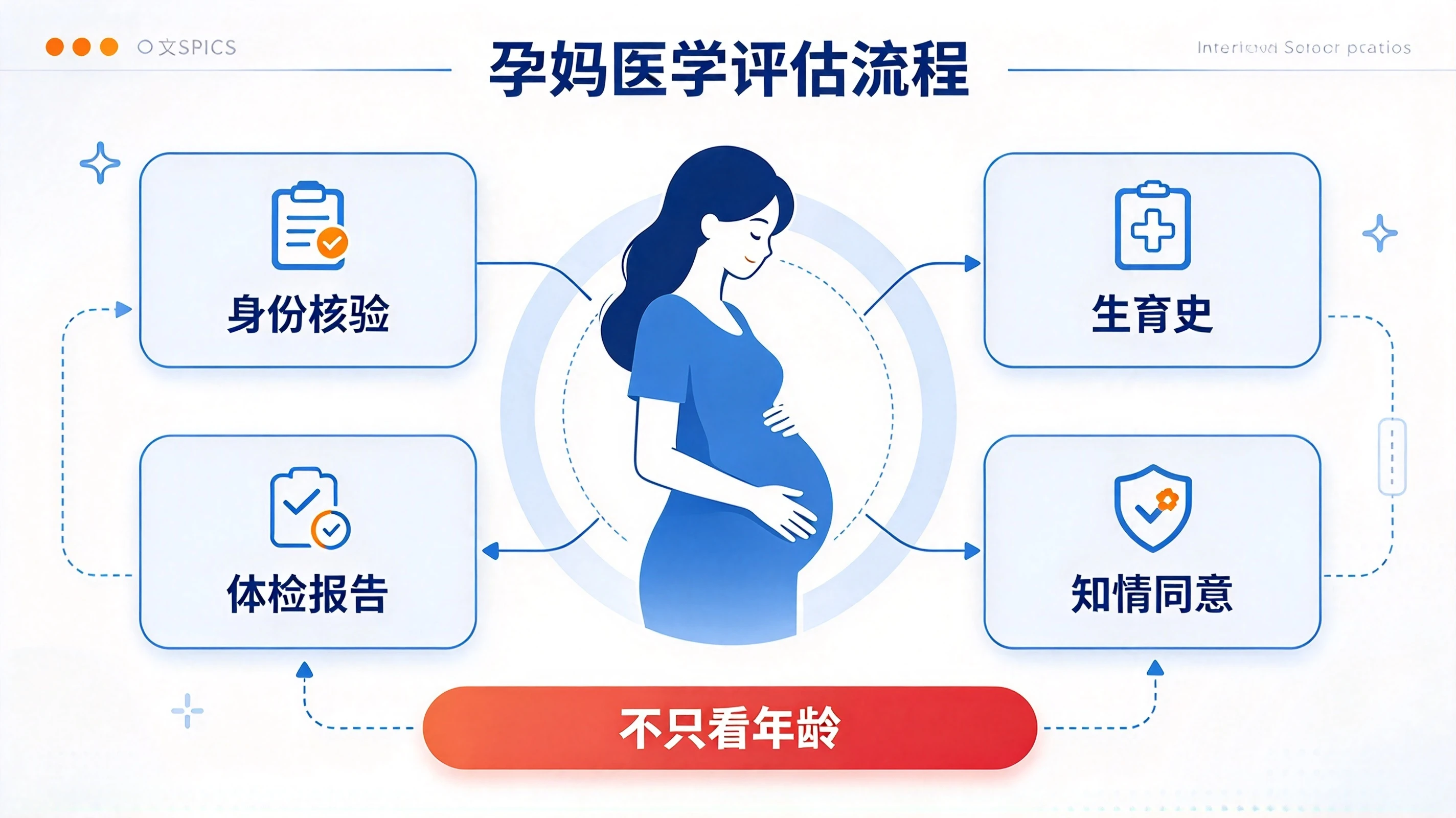
Pregnant Woman ScreeningThe core is not to find individuals who "appear healthy," but to assess whether they meet the medical criteria for a safe pregnancy and delivery, fully understand the associated risks, and are able to make autonomous medical decisions throughout the entire process.
The American Society for Reproductive Medicine (ASRM) 2022 Committee Opinion on gestational carriers emphasizes comprehensive medical, psychological, and legal evaluations of gestational carriers. While it may serve as a reference for medical assessments, it does not replace the requirements under Lao local laws.
1. Basic Data Verification
Before the medical examination, verify the pregnant woman's identity and basic information:
Table
Verification Items | Suggested content verification | Key Risks |
|---|---|---|
Identity Information | Valid identification documents, name, date of birth | Identity impersonation and age falsification |
Age | Cross-check with identity documents and past medical records | Age mismatch, inconsistent information |
Marital and Family Status | Verify relevant certificates in accordance with local legal requirements | Family members are unaware of or dispute the matter |
Obstetric history | Records of previous pregnancies, deliveries, miscarriages, and cesarean sections | ConcealmentHigh-risk pregnancyHistory |
Medical history | Chronic diseases, surgical history, gynecological conditions, and mental health status | Concealing diseases that may affect pregnancy |
Medication History | Long-term medication use, allergy history, and supplement usage | Medications may affect pregnancy or the fetus. |
Lifestyle | Smoking, alcohol consumption, drug use, and occupational exposure | Increased risk of pregnancy complications |
Do not rely solely on resumes or verbal statements provided by intermediaries. Critical information should be supplied directly by the pregnant woman herself and verified with her original medical institution after obtaining her informed consent.
2. Reproductive history is more informative than age labels
Whether a pregnant woman has previously had a successful pregnancy and delivery is important information for assessing obstetric risk, but one should not focus solely on the fact that she has given birth before.
Further verification is required:
History of previous full-term pregnancies and any history of preterm birth
Have you ever experienced gestational hypertension, preeclampsia, or gestational diabetes?
Has there been postpartum hemorrhage, placenta accreta, or other severe obstetric complications?
History of recurrent miscarriage or fetal growth restriction
Number of cesarean sections and surgical records; healing status of the uterine scar
Are there any issues such as uterine fibroids, uterine malformations, or intrauterine adhesions?
Whether long-term physical or psychological issues occurred after previous deliveries
If the intermediary provides only a "health certificate" but cannot supply previous delivery records and important medical history, one should not proceed directly to the transplantation stage.
3. Required Medical Examinations
The checklist should be developed by a reproductive medicine specialist and an obstetrician based on the individual’s medical history. Common assessment components include:
Gynecological and Reproductive System Assessment
Routine gynecological examination
Ultrasound of the Uterus and Adnexa
Assessment of Endometrial and Uterine Cavity Conditions
Perform targeted examinations for patients with a history of prior surgery, cesarean section, or uterine cavity abnormalities.
Comprehensive Health Assessment
Basic tests such as complete blood count, liver and kidney function
Blood Pressure, Height, Weight, and Metabolic Risk Assessment
Assess the risks of glucose metabolism, cardiovascular disease, and other chronic conditions based on medical history.
Screening for Infectious Diseases
Assess the risk of infectious diseases such as HIV, hepatitis B, hepatitis C, and syphilis in accordance with local regulations and clinical needs.
Specific items and testing schedules should be determined by the physician, and no single fixed package should be regarded as a universal standard.
Psychological and Informed Consent Assessment
Pregnant women need to understand the physical risks of pregnancy, prenatal management requirements, delivery methods, postpartum recovery, and legal arrangements.
Focus on whether there are situations involving economic coercion, family pressure, information asymmetry, or an inability to freely refuse.
4. Five Common Misconceptions in Screening Pregnant Women
Myth 1: Young age guarantees suitabilityAge is only one of the assessment factors and cannot replace prior pregnancy history, chronic conditions, and obstetric risk assessments.
Misconception 2: There is no risk after having given birthA previous uncomplicated delivery does not guarantee that this pregnancy will be free of complications.
Myth 3: Fewer cesarean sections are safer. This requires a comprehensive assessment based on surgical records, the condition of uterine scars, and obstetricians' opinions; decisions should not be made solely on numerical values.
Misconception 4: If the health checkup is normal, transplantation can proceed.A basic physical examination cannot replace a complete medical evaluation of the gestational carrier.
Myth 5: It’s enough for the agent to guarantee healthMedical conclusions must be provided by qualified medical professionals and supported by traceable examination records.
III. Screening of Egg Donors: Balancing Ovarian Reserve, Genetic Risks, and Informed Consent
Egg donor screening and surrogate mother screening follow two different sets of criteria. Egg donors primarily bear the risks associated with ovarian stimulation and egg retrieval, so the assessment focuses on ovarian function, genetic and infectious disease risks, psychological well-being, and voluntariness.
The ASRM 2024 Guidelines on Gamete and Embryo Donation provide professional recommendations for the medical, infectious disease, genetic, and psychological evaluation of egg donors; these are industry guidelines and do not constitute statutory standards in Laos.
1. Age and Basic Information
The age of egg donors is one factor in assessing egg quality and reproductive risks. ASRM professional guidelines typically recommend evaluating non-directed egg donors within the age range of 21 to 34 years. These are professional recommendations, not legal requirements, and suitability for egg donation cannot be determined by age alone.
Verification required:
Identity documents and actual age
Past Pregnancy and Obstetric History
Previous ovarian stimulation and egg retrieval history
History of gynecological diseases, surgeries, and medications
Family History of Genetic Diseases
Are there cases of being coerced into participation by intermediaries or family members?
If the egg donor has undergone multiple ovarian stimulation and egg retrieval cycles, previous cycle records should be requested to review the medication protocols, number of oocytes retrieved, complications, and recovery status.
2. Ovarian Reserve Assessment: AMH and AFC Should Not Be Overemphasized
Common indicators for ovarian reserve assessment include:
AMH (Anti-Müllerian Hormone)
AFC (Antral Follicle Count)
Basic sex hormone panel
Transvaginal ultrasound
The doctor makes a comprehensive assessment based on the patient's age and prior response to ovarian stimulation.
It should be emphasized that AMH and AFC are primarily used to assess ovarian reserve and predict the response to ovulation induction.It does not directly reflect the genetic quality of the oocytes, nor can it independently predict the final live birth outcome.If an agency uses claims such as "the higher the AMH level, the better the egg quality" or "the more eggs retrieved, the higher the success rate" to attract clients, this constitutes an oversimplification of medical indicators.
3. Screening for Infectious Diseases and Genetic Disorders
Screening for Infectious DiseasesIt should be conducted in accordance with applicable regulations, laboratory standards, and clinical protocols. Common tests include HIV, hepatitis B, hepatitis C, syphilis, gonorrhea, and chlamydia. The target population, testing methods, and validity periods vary by test type. Medical institutions should be required to provide official test reports, and the test date, sample information, laboratory name, and result interpretation should be verified.
Genetic Disease Risk AssessmentOne should not rely solely on verbal assurances that "there are no hereditary diseases in the family." The ASRM 2024 guidelines recommend genetic carrier screening for gamete donors, covering conditions such as cystic fibrosis, spinal muscular atrophy, and thalassemia. Whether to expand the scope of screening should be determined based on genetic counseling, family history, and test results from both parties.
If both the egg donor and the sperm source are at risk of carrying pathogenic variants for the same autosomal recessive disorder, genetic counseling professionals should explain the risks to the offspring and discuss further testing or alternative reproductive options.
4. Risks of Ovulation Induction and Protection of Rights
Egg donation is not simply "providing eggs." Ovarian stimulation and egg retrieval are medical procedures that may involve complications such as ovarian hyperstimulation syndrome (OHSS), abdominal pain and bloating, bleeding or infection related to egg retrieval, anesthesia risks, and even rare but serious conditions like thrombosis.
Medical institutions must fully explain the ovarian stimulation protocol, medication risks, egg retrieval procedures, complication management processes, and emergency contacts to egg donors. They must not compromise the physical safety of egg donors in pursuit of higher egg yields.
Egg donors should fully understand:
Medical Processes and Potential Risks
Nature of Compensation or Fee Arrangements
Rules for Saving and Using Personal Profiles
Is there a possibility of future identity verification or contact?
Whether relevant information is disclosed to children or other family members
Can consent be withdrawn at a stage permitted by medical guidelines?
Risk Warning: Be particularly wary of intermediaries who lure economically disadvantaged women into egg donation with promises of high compensation, or who require them to sign documents without fully explaining the risks.
IV. Verification of Institutional Qualifications: Distinguishing Between Registration, Licensing, and Authorization
In cross-border assisted reproductive technology (ART) projects, a common pitfall is conflating "company registration," "medical partnerships," "ownership of equipment," and "having doctors on staff" with "possessing ART qualifications." These elements cannot be equated.

1. First, distinguish among three different types of entities
Table
Subject Type | Content to be verified | Matters That Cannot Be Presumed |
|---|---|---|
Intermediary or Service Company | Business registration, scope of business, ultimate controller, contracting party | Does not imply medical practice qualifications |
Medical institution | Medical Institution Practice License, Scope of Practice, Validity Period, and Place of Practice | Does not imply approval for all assisted reproductive technologies |
Assisted Reproductive Technology Laboratory | Actual operating entity, personnel qualifications, technical scope, quality management | Having laboratory equipment does not equate to obtaining legal authorization |
2. Five Core Documents for Verifying the Qualifications of Medical Institutions
First, the practice license for medical institutionsVerify the institution's name, registered address, license validity period, scope of medical services, and issuing authority. The name on the certificate must be consistent with that in the contract, the receiving account, and the actual facility where treatment is provided.
Second, special authorization for assisted reproductive technologiesDo not equate the licensing of obstetrics and gynecology, general reproductive medicine clinics, or general medical institutions withIVF, ICSI, embryo culture,Embryo cryopreservationand other technical licenses. The institution should be required to provide specific technical approval documents issued by the competent authorities upon request.
Third, the qualifications of medical and laboratory personnelVerify the doctor's practicing credentials, professional background, actual workplace, and position.Embryology LaboratoryPersonnel shall have the appropriate training, job responsibilities, and laboratory quality management system.
Fourth, the actual operational status of the laboratoryVisitors may request to inspect the laboratory environment, equipment maintenance records, embryo and gamete identification protocols, temperature monitoring systems, liquid nitrogen storage management, and emergency response plans for power outages and equipment failures. However, laboratory tours do not substitute for administrative license verification.
Fifth, written confirmation from the competent authorityFor the specific medical procedures involved in the project, verify with local health authorities whether they are permitted, which institutions are authorized to perform them, and what approvals or filings are required. For critical matters where written proof cannot be provided, payments should not proceed solely on the basis of verbal explanations from intermediaries.
Important FactsAs of 2025, only Vientiane Maternal and Child Health Hospital, a public hospital in Laos, has obtained a license for assisted reproductive technology; no private hospitals have been granted this qualification. Commercial facilitation policies in economic special zones such as BotenDoes not constitute special permission from health authorities for assisted reproductive technologyCaixin.com
3. Key verification points for intermediary companies
At least verify the following information:
Company Registration Name and Registration Number
Registered address and actual office address
Legal Representative or Actual Person in Charge
Business Scope
Whether the contracting party matches the name of the receiving account
Are there multiple companies taking turns signing contracts or receiving payments?
Is there any instance of large sums being received into personal accounts?
Do you commit to outcomes in medical, legal, or documentation services that exceed your authority?
Business registration merely indicates the enterprise's registered status; it does not prove that the entity holds medical qualifications, nor does it demonstrate the legality of its surrogacy services.
4. Be wary of "special policy" promotions in special economic zones
If an institution claims that "special economic zone policies permit commercial surrogacy," that "local government tacitly approves it," or that "operations within the park are exempt from restrictions," it should be required to provide specific legal provisions, official documents from competent authorities, and valid licenses applicable to that institution. Failure to provide such documentation should be regarded as a major risk signal.
V. Eight Common Scams and How to Avoid Them
1. Concealing the pregnant woman's true identity and medical history
Agencies only provide photos, ages, and basic physical examination results, prohibit the verification of original documents, and even replace surrogate mothers at short notice after a cycle has begun.
Avoidance Methods: Require verification of identity, obstetric history, and medical examination reports in the presence of healthcare institutions and lawyers; establish written notification, reassessment, and exit mechanisms for personnel replacement.
2. Forging or splicing medical examination reports
Common issues include reports missing names, dates, hospital names, or testing agency information, as well as inconsistencies in identity information across multiple reports.
Avoidance Methods: After obtaining authorization from the pregnant woman and the egg donor, verify with the original issuing institution; if necessary, undergo re-examination at an independent medical facility.
3. Package intermediaries as hospitals or medical teams
Service providers use names such as "International Reproductive Center," "Genetics Laboratory," and "Expert Team," but are unable to provide corresponding medical licenses or staff qualification documents.
Avoidance Methods: Verification shall be based on official practice licenses and registration records with the competent authorities, not on brochures, websites, park signage, or equipment photos.
4. Use "guaranteed success" to induce contract signing
Assisted reproduction involves multiple variables, including age, gamete quality, embryonic development, uterine conditions, and pregnancy complications; no institution should present live birth outcomes as an unconditional guarantee.
Avoidance MethodsRequire institutions to provide the statistical methodology for success rates, including data year, patient age stratification, cycle type, and statistical denominator; and distinguish between clinical pregnancy rate, ongoing pregnancy rate, and live birth rate.
5. Low-price customer acquisition followed by continuous price increases
Initial quotes may not include costs for medications, examinations, anesthesia, egg retrieval, embryo cryopreservation, embryo transfer, prenatal care, delivery, and neonatal medical services.
Avoidance MethodsRequest a detailed, itemized fee breakdown that clearly distinguishes fixed fees from items billed on actuals, and specify the refund rules and approval process for additional charges.
6. Concealing commercial recruitment under the guise of "compensation" and "nutrition fees"
Intermediaries break down compensation linked to pregnancy, childbirth, or handover into multiple categories in an attempt to lower the parties' vigilance.
Avoidance MethodsDo not rely solely on the payment label; verify the actual purpose of the transaction, payment terms, and recruitment methods, and have a local attorney determine its legal nature.
7. Restricting the personal freedom of pregnant women or controlling their identification documents
Pregnant women are required to stay in centralized accommodations for extended periods, are not allowed to leave on their own, have their passports held by the agency, or are unable to freely choose their hospitals and doctors.
Avoidance MethodsTreat autonomous custody of identification documents, unrestricted communication with family members, independent access to medical care, emergency assistance, and exit arrangements as fundamental rights to be verified. In the event of restrictions on personal freedom, threats, or coercion, prioritize seeking assistance from local law enforcement and consular services.
8. Promise to handle birth certificates and return-to-China documents on behalf of the client
Newborn birth registration, determination of parent-child relationshipTravel DocumentThe documents and cross-border exit procedures involve different competent authorities, and intermediaries cannot replace government agencies in making approval decisions.
Avoidance Methods: The lawyer is required to separately explain the legal basis and responsible authorities for birth registration, proof of parent-child relationship, travel documents, and exit procedures. Any promises such as "guaranteed issuance of certificates," "internal channels," or "no verification of parent-child relationship required" should be treated with high caution.
6. Public Cases and Risk Alerts Related to Laos
The following cases are provided to illustrate that illegal surrogacy and related rights risks do indeed exist locally. Media reports, police announcements, and court rulings carry different levels of evidentiary weight and should not be conflated.
Case 1: Illegal Surrogacy Cases in Luang Namtha Province, 2025
In April 2025, Lao police cracked down on an illegal surrogacy operation in the Boten area of Luang Namtha Province, arresting 26 individuals, including 23 pregnant women (among them two minors) and three Chinese nationals. Authorities seized a large quantity of assisted reproductive medical equipment at the scene, such as sperm incubators, microscopes, and liquid nitrogen storage tanks.
Case Prompt:
Having medical equipment does not mean that medical activities are licensed.
The involvement of pregnant women does not mean that the recruitment arrangements are legal.
The involvement of minors significantly increases legal and protection risks.
During the investigation phase, arrested individuals must not be directly deemed as convicted.
Case 2: Oral Account of a Surrogate Mother in Boten
In February 2025, media outlets published an interview with a Lao woman who was referred to under a pseudonym. She recounted her experience of participating in surrogacy through an acquaintance’s referral, undergoing embryo transfer in Boten, residing collectively during pregnancy, and having the newborn taken away after delivery. She also mentioned details regarding recruitment by intermediaries, promised compensation, and prenatal management.
Case Prompt:
The surrogate mother may not know the true identity and complete information of the commissioning party.
Commitments regarding compensation, medical expenses, and living arrangements should be verified before signing the contract.
The rights and interests between the pregnant mother and the newborn cannot be oversimplified as "delivery completed."
Media interviews cannot substitute for a court's determination of specific facts.
Case 3: Authorities Clearly Define Illegal Surrogacy as Human Trafficking
In October 2025, the Lao Permanent Mission to the United Nations stated that Laos views illegal surrogacy as a violation of women's and children's rights, noting that such activities may fall under the legal frameworks governing human trafficking and illicit organ trade. It further clarified that Laos' regulatory system only permits specific surrogacy arrangements with legitimate medical justification.
In October 2026, the Lao official news agency reported that in the first ten months of the year, a total of 45 human trafficking cases were handled, 119 suspects were arrested, and 86 victims were rescued, among whom illegalCross-border surrogacyis explicitly listed as one of the criminal means.
Case Prompt:
The limited medical exceptions in Laos should not be interpreted as an open commercial surrogacy market for foreign clients.
The operation by individual institutions cannot serve as evidence of legality
Illegal surrogacy may trigger laws related to human trafficking, with severe consequences.
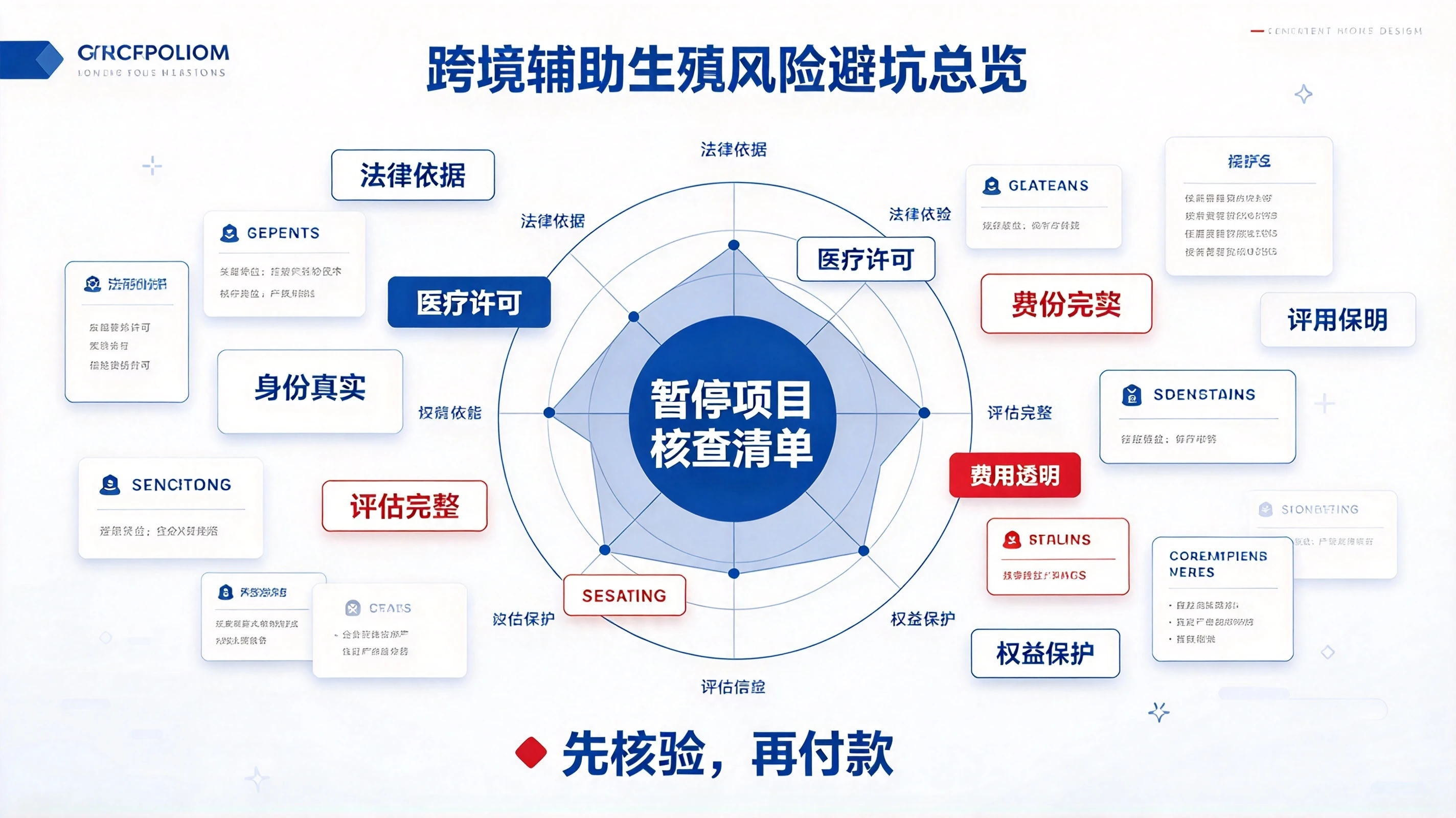
7. Immediately pause the project if any of these situations occur
The following situations should not be treated as ordinary communication issues; the occurrence of any one of them is recommended to pause the project:
The intermediary refused to provide the actual name of the medical institution and its practice license.
Unable to verify the true identities of pregnant women or egg donors
The medical examination report lacks the original issuing institution or cannot be verified.
Pregnant women and egg donors cannot communicate with doctors independently.
Pregnant women's passports or ID documents are withheld by intermediaries
Explaining the inability to provide licenses using "Special Economic Zone policies" and "government relations"
The contract requires pregnant women to relinquish their right to make necessary medical decisions.
Costs are increasing without written justification
Requiring payment of large fees to personal accounts or third-party accounts unrelated to the contract
Claiming to guarantee birth certificates, paternity determinations, or return-home documents
The project involves minors, coerced recruitment, sham marriages, or restrictions on personal freedom.
In cases involving suspected human trafficking, forced labor, illegal detention, or harm to minors, prioritize personal safety and promptly contact local law enforcement authorities and relevant consular offices. Do not rely solely on internal coordination through intermediaries.
VIII. Pre-Signing and Payment Checklist
The following checklist can serve as a preliminary review tool. If any critical issue involving legal permissions, medical safety, or personal liberty cannot be confirmed, it is inadvisable to proceed solely on the basis of an intermediary's assurances.
Table
Verification Items | Materials or confirmations to be obtained | Completed |
|---|---|---|
Legal Basis of Laos | Original Text of Current Laws, Explanations by Competent Authorities, and Legal Opinions | □ |
Medical Institution Qualifications | Medical Institution Practice License and Specific Technical Authorization Documents | □ |
Intermediary | The enterprise registration information, contracting parties, and payment recipients are consistent. | □ |
Pregnant Woman | Identity Verification and Personal Authorization Documentation | □ |
Maternal medical history | Complete records of pregnancy, childbirth, surgery, and chronic diseases | □ |
Medical Evaluation for Pregnant Women | Formal Inspection Report and Physician's Assessment | □ |
Egg Donor Identity | Identity Verification, Age Confirmation, and Informed Consent | □ |
Egg Donor Medical Evaluation | Ovarian Reserve, Infection, and Genetic Risk Assessment Report | □ |
Medical Risk Disclosure | Written Notice on Risks Associated with Ovarian Stimulation, Egg Retrieval, Pregnancy, and Childbirth | □ |
Rights Protection | Document custody, free medical care, exit and assistance mechanisms | □ |
Contracts and Fees | Scope of Services, Payment Milestones, Refund and Additional Fee Policies | □ |
Newborn Legal Procedures | Legal Opinion on Birth Registration, Parent-Child Relationship, and Exit Travel Documents | □ |
Key issues to check at signing
Who is responsible for medical outcomesThe contract should clearly specify the actual medical institution, the attending physician, the laboratory operating entity, and the respective responsibilities of all parties. It must not merely state the name of the intermediary company while failing to disclose the institution that actually performs the medical procedures.
Who manages the medical care and daily life of pregnant women?Pregnant women should be able to independently express their opinions to doctors, understand test results, and directly receive medical assistance in emergencies. Their right to make medical decisions must not be fully delegated to intermediaries or commissioning parties.
How to manage expensesClearly define the payee, payment basis, service items, refund methods for unincurred fees, and settlement rules in case of project termination. For temporary price increases lacking contractual basis, retain the right to refuse and handle disputes.
How is the legal relationship confirmed after birth?Familiarize yourself in advance with the legal procedures for birth registration, determination of parentage, custody, and exit documents. Do not assume that "arranging things through connections after the birth" is a viable option.
9. Five Core Recommendations
First,Verify the legal requirements first, then consider personnel screening.If the project itself lacks a legal basis, no matter how excellent the medical conditions of the surrogate mothers and egg donors are, they cannot eliminate the legal risks.
Second,Medical assessments are conducted by independent medical personnel.Do not allow intermediaries to simultaneously assume all roles, including recruitment, medical judgment, interpretation of results, and fee collection.
Third,The pregnant woman and the egg donor must be evaluated separately. The two carry different medical risks and cannot be substituted with the same physical examination form or the same set of screening criteria.
Fourth,All key commitments must be documented in writing and verifiable.Medical licenses, personnel identities, inspection reports, fee rules, and legal opinions should all have verifiable sources.
Fifth,Prioritize the rights of participants and newborns over project outcomesSafety, dignity, and legal rights of surrogate mothers, egg donors, and children must never be compromised in pursuit of cycle progress or cost reduction.
Conclusion
Screening pregnant surrogates and egg donors may appear to involve verifying age, medical history, examination reports, and physical conditions; in reality, it assesses whether a cross-border medical arrangement ensures legal compliance, medical safety, and the protection of rights and interests.
For projects related to Laos, particular vigilance is required against three types of misrepresentation: presenting surrogacy exceptions under limited conditions as a license for commercial surrogacy; framing business facilitation in economic special zones as an exemption from medical regulation; and portraying intermediaries’ verbal promises as official government approvals.
The truly reliable criteria for judgment are not whether "someone has done it," "the equipment is fully equipped," or "the agency guarantees it," but rather whether the legal basis is verifiable, medical licenses can be confirmed, personnel credentials are authentic, medical risks are fully disclosed, fee contracts are transparent, and participants' rights are protected.
Frequently Asked Questions
The content on this website is general educational material and compiled public information about IVF. It is provided for reference only, does not constitute a basis for diagnosis or medical decision-making, and does not constitute any medical advice or treatment recommendation. For policy and technical requirements, please refer to official publications issued by the relevant authorities and institutions. If you find any content errors, numerical inconsistencies, or outdated information, please contact us so we can verify and update it.
