
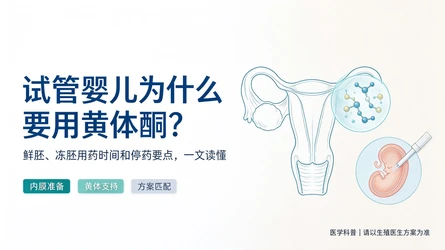
What role does progesterone play in IVF? This article details the differences in luteal phase support for fresh embryo transfer, natural-cycle frozen embryo transfer, and artificial-cycle frozen embryo transfer, as well as medication administration methods, progesterone monitoring, and precautions for discontinuing treatment, to help patients gain a scientific understanding of progesterone.
Read allatTest tube babyDuring treatment, progesterone is a medication that many women encounter. Some patients begin using progesterone after egg retrieval, while othersFrozen Embryo TransferVaginal medication is required daily, and some patients need to continue using it for a period of time even after a successful pregnancy test or after the fetal heartbeat has been detected.
As a result, many people wonder: Why is progesterone supplementation required for IVF? Is it a medication that helps with embryo implantation, or is it used to support the pregnancy after a successful transfer? What are the differences between injections, vaginal suppositories, and oral administration?ProgesteroneDoes a low value mean the dosage is insufficient? After a successful pregnancy test, when exactly can medication be stopped?
In fact, the role of progesterone in assisted reproductive treatment is not simply to "maintain pregnancy." It affects whether the endometrium is adequately prepared for embryo implantation, whether the timing of embryo transfer is accurate, and whether early pregnancy receives appropriate hormonal support. More importantly,Fresh embryo transferThe reasons for using progesterone and the treatment priorities are not entirely the same between natural cycle frozen embryo transfer and artificial cycle frozen embryo transfer.
To truly understand progesterone, you must not only memorize its functions but also clearly identify which type of embryo transfer protocol you are following and why it needs to be administered at specific times.
1. What is progesterone? Why is it so important for pregnancy?
Progesterone, also known as progesterone (though “progesterone” is the standard English term), is a natural progestogen that plays a crucial role in female reproduction and pregnancy. After ovulation, the ruptured follicle gradually transforms into a temporary endocrine structure called the corpus luteum. The corpus luteum secretes progesterone to prepare the body for potential pregnancy.
The endometrium can be understood as the "soil" in which the embryo will eventually implant. During the first half of the menstrual cycle, estrogen primarily promotes endometrial growth, causing the lining to gradually thicken. After ovulation, progesterone drives the transition of the endometrium from the proliferative phase to the secretory phase, further maturing the lining and creating an environment suitable for embryo implantation.
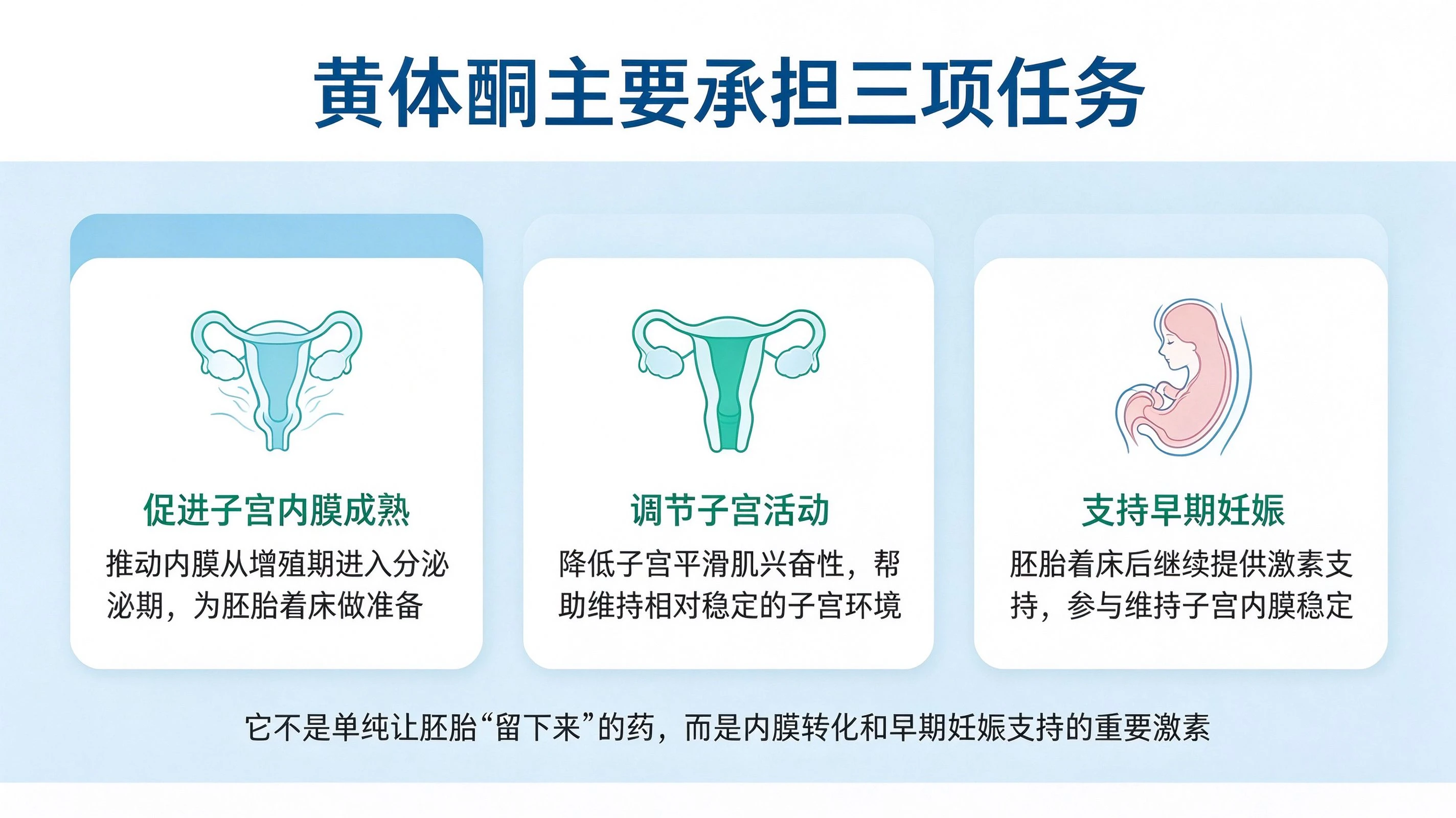
Progesterone primarily performs three key functions.
Promote endometrial maturationProgesterone drives the endometrium to complete secretory phase transformation, shifting it from a state of simple proliferation to one more conducive to embryo implantation.
Regulate uterine activityProgesterone reduces the excitability of uterine smooth muscle, helping to maintain a relatively stable uterine environment.
Supports early pregnancyAfter embryo implantation, progesterone continues to maintain the stability of the endometrium, providing hormonal support for early pregnancy.
In natural pregnancy, human chorionic gonadotropin (hCG) secreted after embryo implantation maintains the corpus luteum function, enabling it to continue secreting progesterone. As the pregnancy progresses, the placenta gradually assumes the primary role in progesterone secretion, completing the hormonal relay from the ovarian corpus luteum to the placenta. This process, known as the luteal-placental shift, occurs mainly during early pregnancy.
Therefore, progesterone is not simply a drug that helps the embryo "stay," but an important hormone that facilitates endometrial transformation and supports early pregnancy.
Here, it is necessary to distinguish between two concepts: progesterone and progestogen. Progesterone refers to the natural hormone, while progestogen denotes a broader category of drugs. Dydrogesterone, commonly used in clinical practice, also belongs to the class of progestogens. It is a stereoisomer of progesterone (also known as retroprogesterone), with a structure highly similar to that of natural progesterone. Dydrogesterone is not the same type as the traditional synthetic progestogens commonly found in oral contraceptives, and the two cannot be directly substituted on a dose-for-dose basis.
II. Why do doctors often need to supplement progesterone for in vitro fertilization (IVF)?
In natural conception, after ovulation, the corpus luteum forms and continuously secretes progesterone to support embryo implantation and early pregnancy. However, IVF treatment affects this natural physiological process. During ovarian stimulation, medications are used to promote the simultaneous development of multiple follicles. Ovarian stimulation therapy, along with associated pituitary suppression, ovulation triggering, and egg retrieval procedures, may all impair normal luteal function.
There are two main reasons. First, ovulation induction may interfere with luteal function. The ovarian stimulation and pituitary suppression drugs used in IVF cycles can affect the secretion of luteinizing hormone (LH) and corpus luteum maintenance, reducing the corpus luteum’s ability to produce progesterone. Second, oocyte retrieval may affect the cells required for corpus luteum formation. During egg retrieval, physicians aspirate follicular fluid via puncture. Granulosa cells within the follicles are also essential components that subsequently form the corpus luteum and secrete hormones. Oocyte retrieval and associated physiological changes may impair the subsequent secretory function of the corpus luteum.
Therefore, in IVF treatment, the body's own luteal support may be insufficient and requires supplementation with exogenous progesterone. This is the fundamental principle of Luteal Phase Support (LPS).
The "Clinical Practice Guidelines for Progesterone in Maintaining Pregnancy and Luteal Support," issued by the Reproductive Medicine Committee of the Chinese Medical Doctor Association, states that early luteal support following assisted reproductive technology (ART) treatment improves pregnancy outcomes, and progesterone is an effective agent for luteal support. [1]
However, it should be specifically noted that progesterone supplementation in IVF does not indicate that the patient has severe luteal phase dysfunction, nor does it imply that higher doses will necessarily improve success rates. Rather, it is primarily a medical intervention tailored to the specific characteristics of the treatment cycle.
III. How do the roles of progesterone differ across various IVF protocols?
This is the most important part for understanding progesterone medication. Even with the same embryo transfer, the physiological basis may differ completely across cycles, so the luteal support protocol prescribed by the doctor will also vary accordingly.
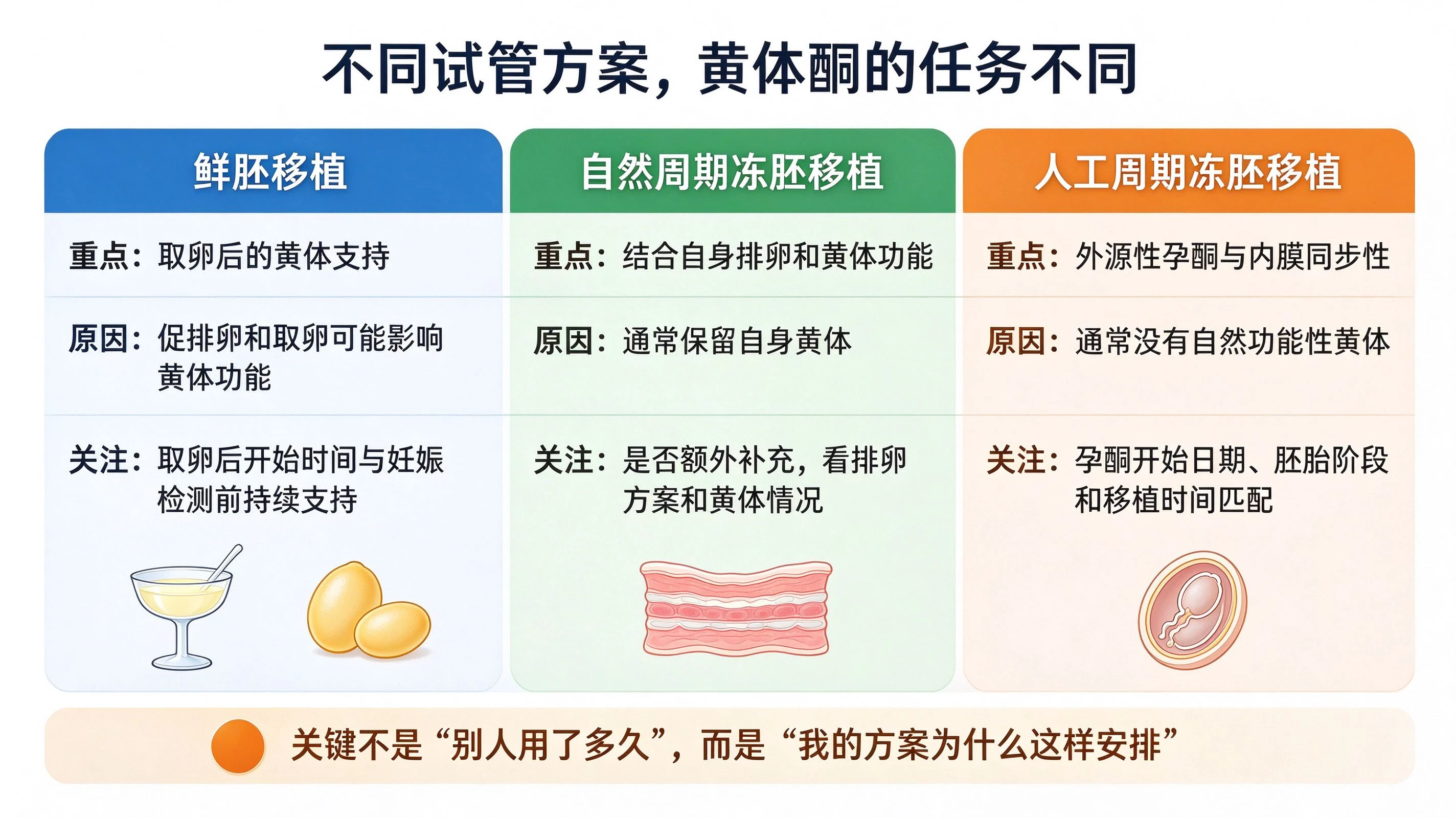
1. Fresh embryo transfer: Compensating for inadequate luteal phase support after oocyte retrieval
Fresh embryo transfer refers to the process of transferring embryos within the same treatment cycle following oocyte retrieval, in vitro fertilization, and embryo culture. Because ovarian stimulation and the egg retrieval procedure may affect luteal function, the patient's endogenous progesterone production may not provide sufficient and stable support. Therefore, physicians typically prescribe progesterone or other progestin medications after egg retrieval.
Its main task is:
Promotes the completion of secretory phase transformation of the endometrium.
To provide a suitable endometrial environment for embryo implantation.
Provide hormonal support during the early stage after embryo implantation.
The start time for progesterone supplementation is also guided by clear clinical references. The 2021 Chinese Guidelines on Luteal Support recommend that the optimal initiation time for progestogen supplementation in fresh embryo transfer cycles is from the day of oocyte retrieval to within three days after retrieval [1]. The 2025 updated ovarian stimulation guidelines from the European Society of Human Reproduction and Embryology (ESHRE) also maintain this recommendation regarding the start time, specifying that luteal support should be continued at least until the date of pregnancy testing [2].
This indicates that the use of progesterone after egg retrieval does not imply that the patient has developed any abnormality, but rather that luteal phase support is inherently required for fresh embryo transfer treatment.
2. Natural cycle frozen embryo transfer: Utilize the patient's own corpus luteum, with supplemental support if necessary
Natural cycle frozen embryo transfer involves monitoring the patient’s own follicular development and ovulation to determine the optimal timing for embryo transfer. After ovulation, the ovary naturally forms a corpus luteum that secretes progesterone. Therefore, unlike artificial cycles, natural cycle frozen embryo transfers typically preserve endogenous luteal function, providing the body with an inherent source of progesterone. The physician will decide whether additional progestin supplementation is necessary based on the timing of ovulation, luteal function, endometrial status, and the specific transfer protocol.
Here is a noteworthy medical advancement. Natural cycle frozen embryo transfer can be further subdivided into natural ovulation cycles and modified natural cycles. Natural ovulation cycles primarily rely on the patient’s own LH surge and ovulation to determine the timing of transfer; modified natural cycles typically useHuman Chorionic Gonadotropin(hCG) triggers ovulation. Although both protocols preserve the corpus luteum, the process of luteal formation and the hormonal environment are not entirely identical.
The 2021 Chinese clinical practice guideline states that progesterone supplementation for luteal phase support is effective in natural cycle frozen embryo transfer (FET). [1] However, a systematic review and meta-analysis published in 2026 on modified natural cycle FET provides new evidence on this issue. The study included seven studies—three randomized controlled trials and four retrospective cohort studies—encompassing a total of 3,896 transfer cycles. The results showed no statistically significant difference in live birth rates between the routine progesterone supplementation group and the non-supplementation group. The researchers concluded that current evidence does not support the routine use of progesterone supplementation in modified natural cycle FET to universally improve live birth rates, although further research is needed to determine whether specific patient subgroups may benefit. [3]
This does not mean that all patients undergoing natural cycles do not require luteal phase support. The key point is: natural ovulation cycles and modified natural cycles triggered by hCG should not be simply regarded as identical treatment protocols; nor should the conclusions from a study on modified natural cycles be directly generalized to all frozen embryo transfer patients. Whether additional progesterone supplementation is necessary should be determined based on the specific ovulation induction protocol, individual luteal function, and the clinical guidelines of the reproductive center.
3. Artificial Cycle Frozen Embryo Transfer: Progesterone is a Key Factor in Controlling Endometrial Maturation Timing
Artificial cycle frozen embryo transfer, also known as hormone replacement therapy (HRT) cycle. In this protocol, the doctor typically first uses estrogen to promote endometrial growth. Once the endometrium reaches conditions suitable for transfer, progesterone supplementation is initiated according to the planned schedule.
Unlike natural cycles, typical artificial cycles generally lack a functional corpus luteum formed by spontaneous ovulation; therefore, endometrial transformation, embryo implantation, and hormonal support for early pregnancy rely heavily on exogenous hormones. This means that progesterone not only provides progestogenic support but also plays a critical role in regulating the timing of endometrial maturation.
Why do doctors pay special attention to the day progesterone administration begins? Because the endometrium has a specific time window suitable for embryo implantation, medically referred to as the "implantation window." After progesterone starts to take effect, the endometrium gradually undergoes changes. If the developmental stage of the embryo does not match the timing of endometrial maturation, implantation success may be compromised even if the embryo is of good quality.
Doctors need to take into comprehensive consideration:
Was the embryo transferred a day-3 embryo or a day-5 blastocyst?
What is the specific developmental stage of the embryo?
When should progesterone be started?
How many days of progesterone exposure had been received prior to transplantation?
These factors must be carefully coordinated. Therefore, patients undergoing artificial cycle frozen embryo transfer should pay particular attention to the timing of medication initiation and must not adjust the duration of medication use based on schedules followed by other patients.
The core differences among the three protocols can be summarized as follows: fresh embryo transfer primarily focuses on luteal phase support after egg retrieval; natural cycle frozen embryo transfer emphasizes support tailored to the patient’s own ovulation and luteal function; and artificial cycle frozen embryo transfer relies more heavily on exogenous progesterone for endometrial transformation and early hormonal support.
4. When should progesterone be started? Is earlier always better?
The answer is no. Progesterone is not more effective the earlier it is administered, nor does a higher dose necessarily improve embryo implantation. This is because progesterone promotes the transition of the endometrium into the secretory phase. Inappropriate timing of administration may result in asynchrony between the developmental stage of the embryo and the maturation status of the endometrium.
For different IVF protocols, the timing of progesterone initiation primarily varies based on
IVF Protocol | Main basis for medication timing |
|---|---|
Fresh embryo transfer | Oocyte retrieval time and specific ovarian stimulation and trigger protocols |
Natural cycle frozen embryo transfer | The timing of spontaneous ovulation or induced ovulation |
Frozen Embryo Transfer in Artificial Cycle | Start date of progesterone administration, embryonic developmental stage, and endometrial preparation status |
In particular, for frozen embryo transfer in artificial cycles, the start time of progesterone administration is directly related to the synchrony between the embryo and the endometrium. Therefore, you should not self-administer progesterone earlier than prescribed in an attempt to "supplement it sooner," nor delay its use due to concerns about prolonged medication duration.
Additionally, it is necessary to distinguish between two easily confused issues: premature progesterone elevation prior to embryo transfer and the need for luteal phase support with progesterone supplementation after transfer. For example, in stimulated cycles planned for fresh embryo transfer, if serum progesterone levels rise prematurely on the day of final oocyte maturation, this may affect endometrial-embryo synchrony. The 2025 ESHRE guidelines suggest that for cycles intended for fresh embryo transfer, serum progesterone measurement on the day of final oocyte maturation should be considered; if progesterone levels are elevated, the decision to proceed with fresh embryo transfer should be made by integrating factors such as oocyte yield and embryo quality. [2]
Therefore, it is incorrect to simply assume that "high progesterone levels mean no supplementation is needed" or that "low progesterone levels inevitably lead to failed embryo transfer." What truly needs to be assessed is whether the current progesterone level and the developmental stage of the endometrium align with the requirements of the specific transfer protocol.
V. Injection, Suppository, or Oral Administration? How to Choose the Right Progesterone Formulation
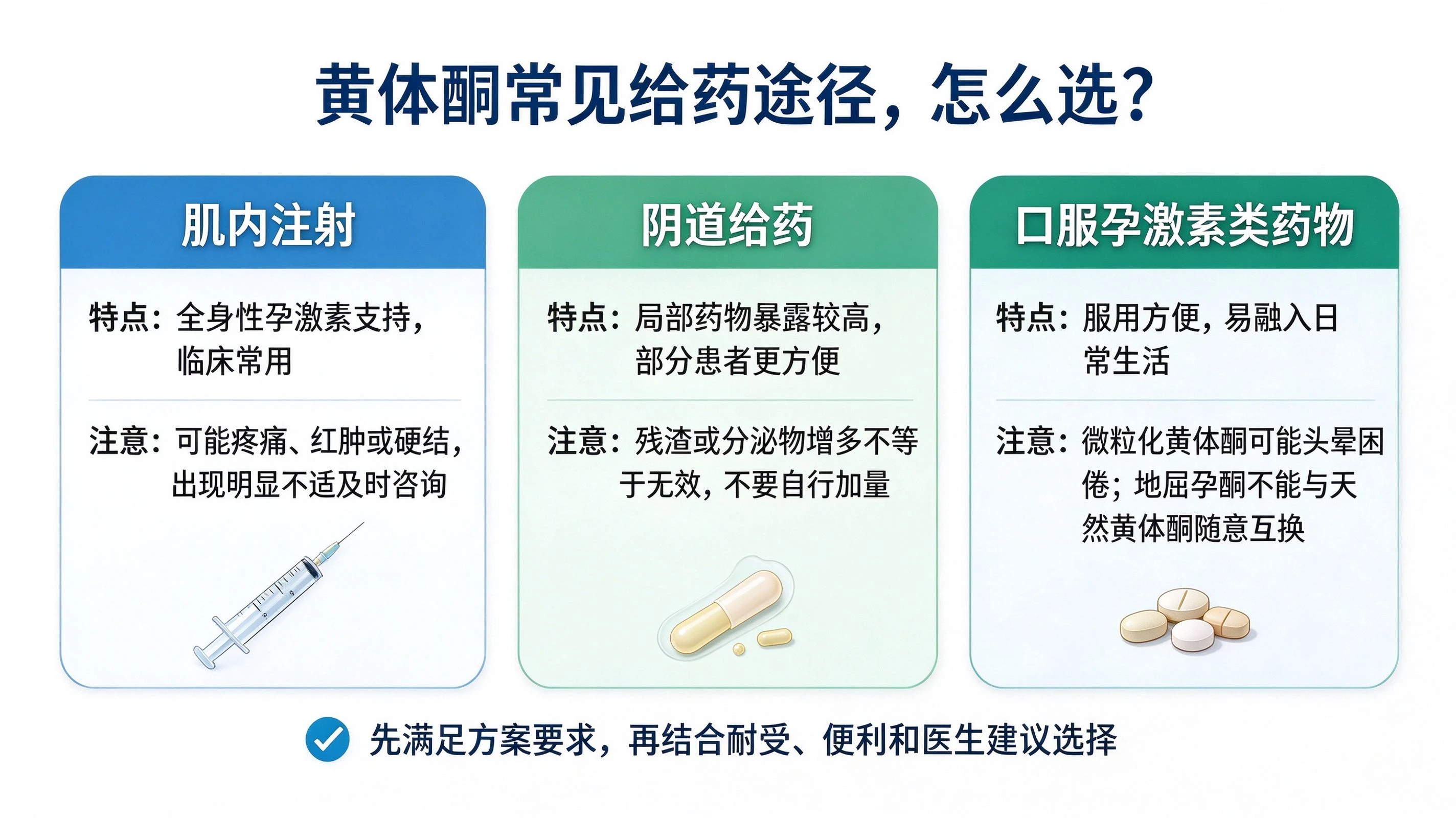
In in vitro fertilization (IVF) treatment, common progesterone support methods include intramuscular injection, vaginal administration, and oral medication. Each method has its own characteristics, and no single formulation is suitable for all patients. When making a choice, one should not rely solely on comparing drug prices, serum progesterone levels, or ease of use, but rather consider the transplantation protocol, drug characteristics, individual tolerability, and medical advice.
1. Intramuscular injection of progesterone
Intramuscular injection typically uses progesterone injection, which exerts its effect through absorption by the muscle. Main features:
It can provide systemic progestogenic support.
The route of administration is clearly specified.
It is one of the commonly used methods for luteal phase support in clinical practice.
However, long-term injection also comes with certain costs:
Pain may occur during injection.
Long-term use may cause local induration, redness and swelling, or discomfort.
Regular injections are required, increasing the time and care burden on patients.
If you notice obvious hard lumps or persistent pain, consult your doctor or nurse to assess whether adjustments to the medication administration are needed. Do not attempt to manage severe local reactions on your own.
2. Vaginal progesterone
Common dosage forms include vaginal gels, vaginal suppositories, and micronized progesterone capsules. Vaginal administration allows for local absorption through the reproductive tract, enabling the drug to exert its effects locally in the uterus. Key characteristics:
No intramuscular injection is required, making it relatively convenient to use.
Capable of achieving high local drug exposure in the uterus.
Systemic discomfort is relatively mild in some patients.
Possible discomforts may include:
Drug residues.
Increased vaginal discharge.
Local irritation, itching, or discomfort.
Some patients notice white medication residue after vaginal administration and worry that the drug has not been absorbed, even considering additional dosing. In reality, the expulsion of medication residue or secretions does not mean that the drug was completely unabsorbed, so you should not arbitrarily increase the dose based on this observation. It is also important to note that serum progesterone levels following vaginal administration are influenced by factors such as the formulation, dosage, timing of blood sampling, and time of administration; therefore, a single blood test result cannot be used to simply assess whether local uterine drug action is sufficient.
3. Oral progestin medications
In clinical practice, oral medications are also used for luteal phase support, such as micronized progesterone and dydrogesterone. The main advantages of oral medications are:
Easy to take.
No injection or vaginal administration is required.
Easier to integrate into the daily lives of some patients.
However, different oral medications have their own characteristics and adverse reactions. For example, oral micronized progesterone may cause dizziness, fatigue, or somnolence; dydrogesterone has distinct pharmacological properties and must be used according to the corresponding treatment regimen.
The 2021 Chinese guidelines state that in frozen-thawed embryo transfer (FET) replacement cycles, progesterone supplementation can be administered via vaginal, oral, or intramuscular routes, as well as with oral dydrogesterone, depending on individual clinical circumstances. [1]
Which dosage form is most effective?This question does not have a one-size-fits-all answer for all patients. Chinese guidelines indicate that the effectiveness of progestogens administered via different routes in luteal phase support for fresh embryo transfer cycles is not significantly different, and selection can be based on individual patient circumstances, cost, and personal preference. For hormone replacement therapy cycles in frozen-thawed embryo transfer, the guidelines also recognize multiple administration routes; however, the quality of evidence and strength of recommendation for this guidance are relatively low.[1]
Therefore, the truly rational decision-making logic is as follows: first, meet the luteal phase support requirements of the current embryo transfer protocol; then consider pain tolerance, ease of medication administration, economic cost, and daily life arrangements. One should not assume that a particular formulation is necessarily more suitable for oneself simply because it is more expensive or because others have achieved successful pregnancies after using it.
VI. Does a low progesterone level after embryo transfer indicate poor implantation?
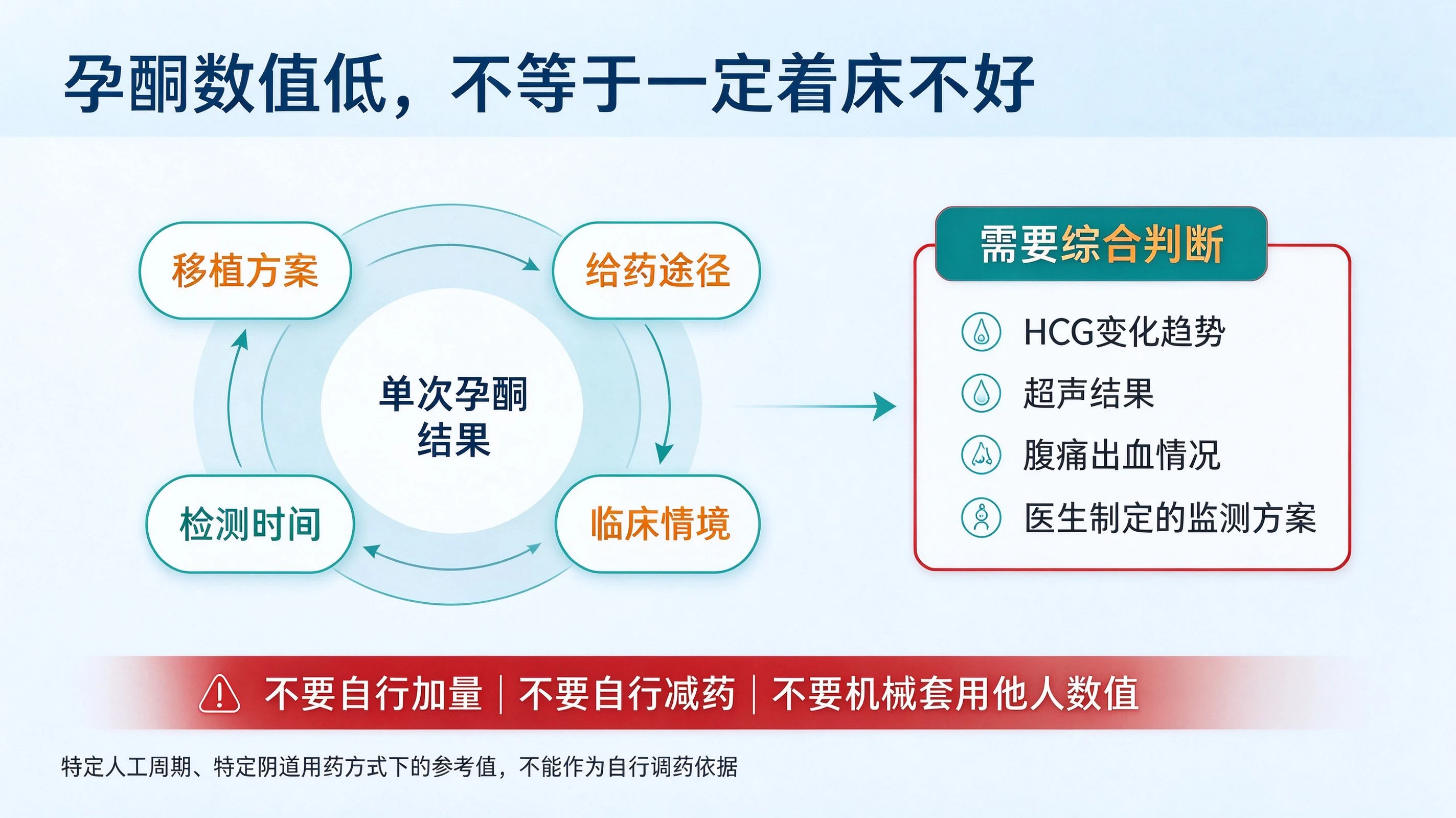
This is a very common source of anxiety for IVF patients. After embryo transfer, some patients repeatedly test their blood progesterone levels and, upon finding low values, worry that they are not receiving adequate luteal phase support and that this may affect embryo implantation. In reality, interpreting serum progesterone levels requires consideration of the specific treatment cycle, route of administration, and timing of testing; it should not be based on a single test result alone.
1. Progesterone levels are influenced by various factors.
Progesterone levels may be influenced by the following factors:
Does the corpus luteum exist in situ?
whether intramuscular injection or vaginal administration is used.
How much time elapsed between the medication and the blood draw.
Whether currently pre-transplant or post-transplant.
Whether natural progesterone or other progestogenic drugs are used.
Therefore, progesterone values under different circumstances cannot be simply compared with each other.
It should be specifically noted that the 2021 Chinese Guidelines on Luteal Support clearly state: clinically, only serum hCG levels are recommended for assessing trophoblastic activity in pregnancy, and ultrasound is used to evaluate embryonic development; routine monitoring of serum progesterone levels and their fluctuations is not required. Frequent blood draws to check progesterone levels can instead cause unnecessary anxiety due to numerical fluctuations.
2. Patients undergoing artificial cycle treatment require particular attention
Artificial cycle frozen embryo transfer lacks a naturally formed functional corpus luteum, so progesterone support relies primarily on exogenous medication. The 2026 international expert Delphi consensus on artificial cycle frozen embryo transfer suggests that serum progesterone testing before initiating progesterone therapy may be considered to help exclude unintended ovulation [4]. For patients undergoing artificial cycles using vaginal progesterone alone, the consensus also notes that progesterone levels below 10 ng/mL on the day of or the day prior to transfer may be associated with decreased live birth rates. However, experts emphasize that blood draw timing and vaginal administration time must be standardized, and this threshold should not be applied mechanically without considering the specific dosing regimen. This is an international expert consensus, not a uniform testing standard mandatory for all patients [4].
3. Do not use a single test report to determine the entire pregnancy outcome
For patients who have already undergone pregnancy testing, physicians typically need to make a comprehensive assessment by integrating the trend of HCG changes, ultrasound findings, and the presence or absence of abdominal pain and bleeding. Progesterone testing can help physicians evaluate luteal support in specific situations; however, it cannot replace HCG testing and ultrasound examinations, nor can the normality of a pregnancy be determined based on a single measurement alone.
Therefore:
If low progesterone levels are detected, do not increase the dosage on your own.
If progesterone levels are found to be normal, do not reduce the dosage on your own.
When progesterone is administered vaginally, do not directly apply the blood level standards used for other routes of administration.
Whether progesterone retesting is necessary should follow the monitoring protocol established by the reproductive center for the specific cycle.
To understand progesterone levels, you should first consider the type of embryo transfer protocol and the medications used, rather than simply pursuing higher values.
7. After a successful pregnancy test, how long should progesterone still be used? When can it be discontinued?
This is the question that concerns many patients the most and is also the one most prone to misunderstanding. Some believe that a positive hCG test means the embryo has already implanted, so the body should be able to maintain the pregnancy on its own; others think that medication can be stopped immediately once fetal heart activity is detected. In fact, luteal phase support may still be required in early pregnancy, but the specific duration depends closely on the type of transfer protocol used.
1. Fresh embryo transfer: Continue at least until the day of the pregnancy test
The updated ESHRE 2025 guidelines for ovarian stimulation recommend that luteal phase support after fresh embryo transfer should continue at least until the day of pregnancy testing. [2] If the pregnancy test is positive, whether to continue luteal phase support and when to discontinue it should be determined based on individual patient circumstances and the specific treatment protocols of the fertility center. Luteal phase support should not be stopped abruptly simply because a positive pregnancy test has been confirmed.
2. Natural-cycle frozen embryo transfer: determined based on individual luteal function
Patients undergoing natural cycle frozen embryo transfer typically have a corpus luteum that can autonomously secrete progesterone. Physicians will formulate subsequent medication plans based on ovulation status, the method of luteal support, pregnancy progression, and the specific treatment protocol. The timing for discontinuing medication in artificial cycle patients cannot be directly applied to these cases.
3. Artificial cycle for frozen embryo transfer: Special attention must be paid to sustained exogenous hormonal support
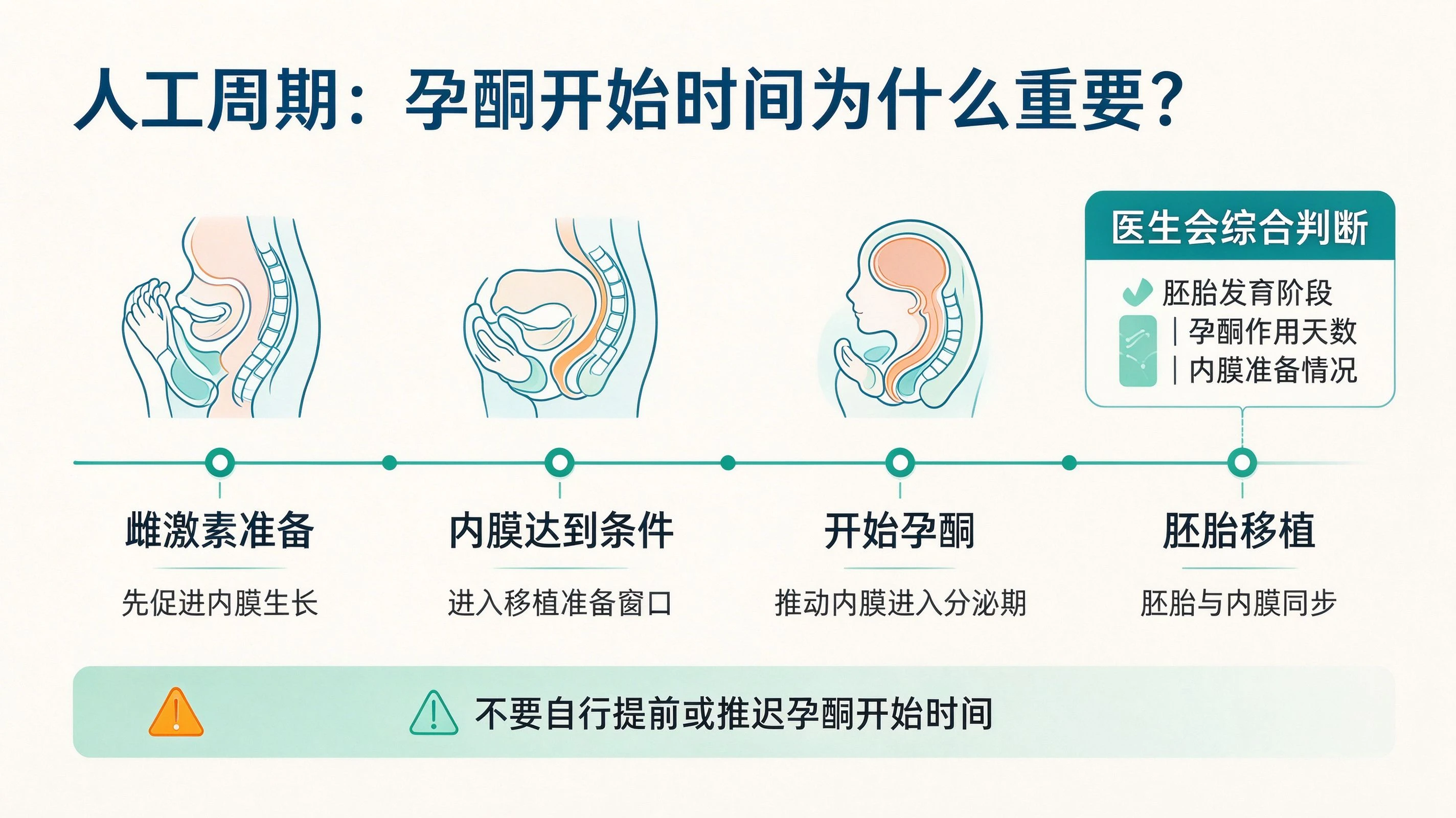
In artificial cycle frozen embryo transfer, a functional corpus luteum typically does not form naturally. Therefore, early pregnancy hormonal support relies more heavily on exogenous progesterone. As the pregnancy progresses, the placenta gradually assumes the primary responsibility for progesterone secretion. However, this transition does not occur on the same day for all patients.
The 2026 international expert Delphi consensus stated that in artificial cycles lacking endogenous corpus luteum function, luteal phase support is typically continued until gestational weeks 10–12. It should be noted that this recommendation represents an international expert consensus and not a standardized discontinuation criterion established through randomized controlled trials.[4]
When discontinuing the medication, should it be stopped abruptly or tapered off gradually?This is also a common source of confusion for many patients. Currently, there is a lack of sufficient direct comparative studies on whether luteal phase support in artificial cycles should be abruptly discontinued or gradually tapered. The 2026 international expert consensus states that, in the absence of comparative evidence, either abrupt discontinuation or gradual tapering may be considered depending on the clinical protocol.[4]
Therefore, it is not appropriate to assume that all patients must discontinue medication using the same tapering schedule. The most important thing is not whether you choose abrupt discontinuation or gradual tapering on your own, but rather not to alter the medication discontinuation plan established by your physician without authorization. In particular, patients undergoing artificial cycle frozen embryo transfer should not stop progesterone supplementation on their own simply because a positive pregnancy test has been obtained or fetal cardiac activity has been detected. Likewise, they should not extend the duration of medication use without authorization out of concern for miscarriage.
VIII. What discomforts may occur during progesterone use? What precautions should be taken?
Progesterone and other progestogen medications are widely used in assisted reproductive treatment, but different drugs and formulations may cause different adverse reactions. Situations that patients may encounter include:
Breast tenderness or sensitivity.
Gastrointestinal reactions such as abdominal discomfort and nausea.
Headache, fatigue, or drowsiness.
Dizziness or drowsiness after oral administration of micronized progesterone.
Local irritation, itching, or increased discharge following vaginal administration.
Local pain, redness, swelling, or induration at the injection site after intramuscular injection.
Specific adverse reactions shall be subject to the instructions for the drugs used.
It is important to note that these physical reactions cannot be used to determine whether embryo implantation has occurred. For example, breast tenderness after transfer may be related to progesterone medication or influenced by other hormonal changes; the absence of noticeable symptoms does not necessarily mean that implantation has failed.
Most mild adverse reactions gradually become tolerable with prolonged use and do not affect the efficacy of the medication. However, if symptoms persist or worsen, or if a rash or severe local pain occurs, prompt medical evaluation is required. In case of noticeable vaginal bleeding, persistent or severe abdominal pain, contact your reproductive center immediately. If you experience chest pain, difficulty breathing, severe headache, or obvious swelling and pain in one lower limb, seek immediate medical attention, as these should not be treated simply as common drug side effects.
9. The Five Most Common Misconceptions About Progesterone Use During IVF
Myth 1: The more progesterone is supplemented, the easier it is for the embryo to implant.No. Luteal phase support requires appropriate dosing and administration methods tailored to the specific treatment protocol. Supplementing beyond actual needs does not automatically improve implantation rates, nor does it guarantee better pregnancy outcomes.
Misconception 2: The higher the progesterone level, the better.It is not always the case that higher progesterone levels correlate with better pregnancy outcomes. The clinical significance of progesterone depends on the type of embryo transfer, the route of administration, and the timing of testing; therefore, one should not simply pursue high values without considering the specific clinical context.
Myth 3: The presence of medication residue after vaginal drug administration indicates that the medication has not been absorbed.The appearance of white residue or increased discharge after vaginal administration does not indicate that the medication is ineffective. Do not self-administer additional doses or increase the dosage due to the presence of residual medication.
Myth 4: You can stop taking medication immediately after a successful pregnancy test or once you see the fetal heartbeat.Early pregnancy may still require progestogen support. Detecting a fetal heartbeat is an important milestone in pregnancy progression, but it does not mean that all luteal phase support can be discontinued immediately. The specific timing for stopping medication should follow the prescribed treatment plan.
Misconception 5: You can directly copy someone else’s progesterone regimen.Transplant cycles, ovulation patterns, luteal function, and drug tolerance may vary completely among different patients. Even when embryos at the same developmental stage are transferred, different hormonal support protocols may be used.
10. Before starting progesterone, it is recommended to confirm these 5 things with your doctor
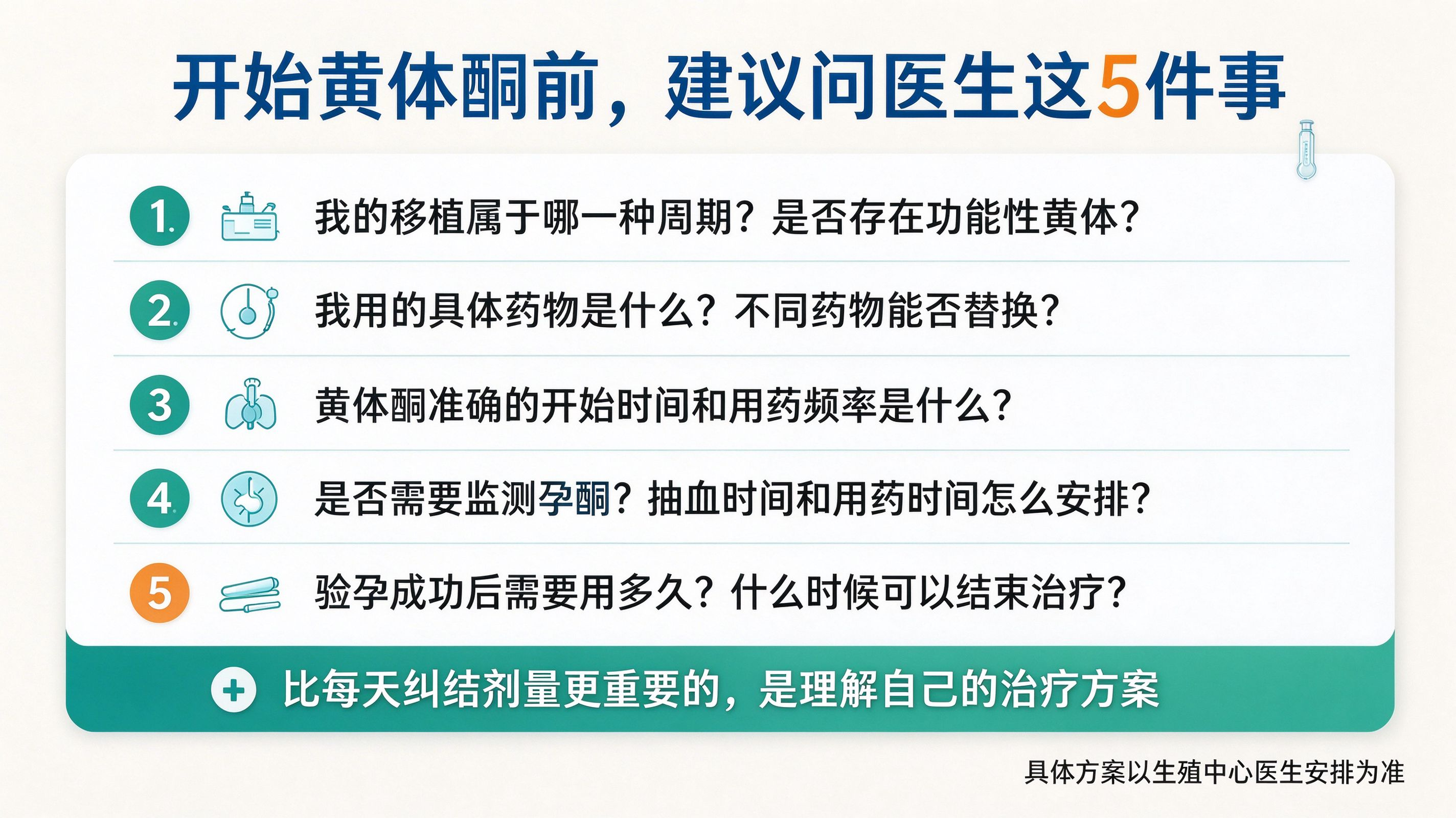
Although progesterone is a commonly used medication in IVF treatment, its timing of administration, dosage form, and duration are closely related to the specific treatment protocol. Before entering the transfer cycle or initiating luteal phase support, patients can proactively confirm the following questions:
Which cycle does my transplant belong to?Is it a fresh embryo transfer, a natural cycle frozen embryo transfer, or an artificial cycle frozen embryo transfer? Does the patient have a functional corpus luteum?
What specific medication am I using?Is it natural progesterone or dydrogesterone? Should it be administered via intramuscular injection, vaginal application, or oral intake? Can different medications be substituted for one another?
What are the accurate start time and dosing frequency for progesterone?In particular, for frozen embryo transfer in an artificial cycle, it is essential to clearly define the start date of progesterone administration and its correspondence with the embryo transfer date.
Is serum progesterone monitoring necessary?If testing is necessary, on which day should it be performed? How long should the interval be between blood sampling and the most recent medication administration? How should the results be interpreted in conjunction with the route of administration and the transplantation protocol?
How long should it be used after a successful pregnancy test?If HCG is positive, when should a follow-up test be performed? Is it necessary to continue medication after fetal heart activity is detected? When can treatment be discontinued? Is dose reduction required?
These issues may seem simple, but they are more important than simply focusing on how many milligrams of progesterone are used each day.
XI. Summary: Progesterone is not a universal medication for preventing miscarriage, but an important hormonal support in IVF treatment
Progesterone plays a crucial role in in vitro fertilization (IVF) treatment. It helps transform the endometrium to make it receptive to embryo implantation, compensates for insufficient luteal support in specific treatment protocols, and contributes to the maintenance of early pregnancy.
However, there is no universal luteal phase support protocol applicable to all patients. For fresh embryo transfer, attention should be paid to luteal function after oocyte retrieval; for natural cycle frozen embryo transfer, individual ovulation and corpus luteum formation must be considered; and for artificial cycle frozen embryo transfer, greater emphasis should be placed on the timing of exogenous progesterone administration and sustained support.
There are varying levels of evidence and differences in clinical practice regarding progesterone formulations, serum progesterone monitoring, and timing of discontinuation. Therefore, what patients truly need to do is not blindly pursue a specific formulation or repeatedly fixate on a single progesterone measurement, but rather understand why they need progesterone supplementation, when to start it, and when to discontinue the medication as directed by their physician.
Progesterone provides the necessary hormonal support for embryo implantation and early pregnancy, but it cannot alter the genetic quality of the embryo itself, nor is it a panacea that guarantees IVF success. Understanding your treatment plan, comprehending the medical rationale behind luteal phase support, adhering to prescribed medication regimens, and attending scheduled follow-up appointments are what truly deserve attention in IVF treatment.
Medical Science Popularization Disclaimer:This article is intended to aid understanding of luteal phase support in assisted reproductive technology and does not replace the clinical advice of a reproductive medicine specialist. The specific type of medication, dosage, start time, monitoring schedule, and discontinuation time should be determined based on the patient’s treatment plan and clinical circumstances. Information verified as of: November 2026.
Frequently Asked Questions
The content on this website is general educational material and compiled public information about IVF. It is provided for reference only, does not constitute a basis for diagnosis or medical decision-making, and does not constitute any medical advice or treatment recommendation. For policy and technical requirements, please refer to official publications issued by the relevant authorities and institutions. If you find any content errors, numerical inconsistencies, or outdated information, please contact us so we can verify and update it.
