


1. Physician Overview: Expertise in Both Reproductive Medicine Assessment and Gynecological Care
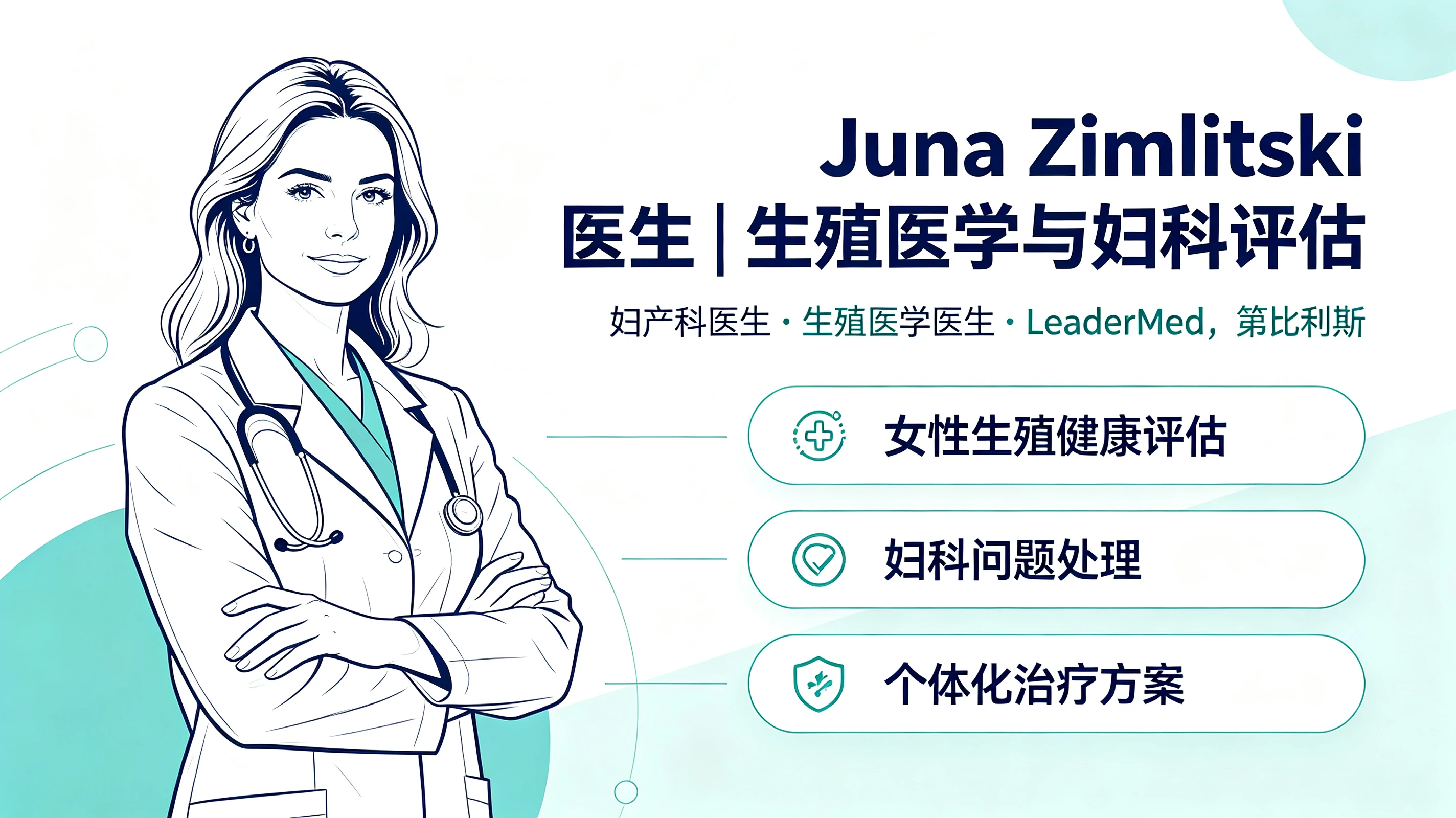
Dr. Juna ZimlitskiIt is Tbilisi, GeorgiaLeaderMed(OriginalIN VITRO CLINIC) Obstetrician-gynaecologists and reproductologists listed on the official website.
Based on the publicly available information currently accessible, her clinical focus primarily involves women's reproductive health,Female infertilityAssessment and assisted reproductive technology-related clinical care. Third-party physician profiles will alsoGynecological endoscopy/HysteroscopyandLaparoscopyThis is listed as their area of specialization; however, specific surgical qualifications, the scope of independent lead surgery, and individual surgical experience should be verified against the physician's official practice certificates, training credentials, and formal documentation provided by the institution.
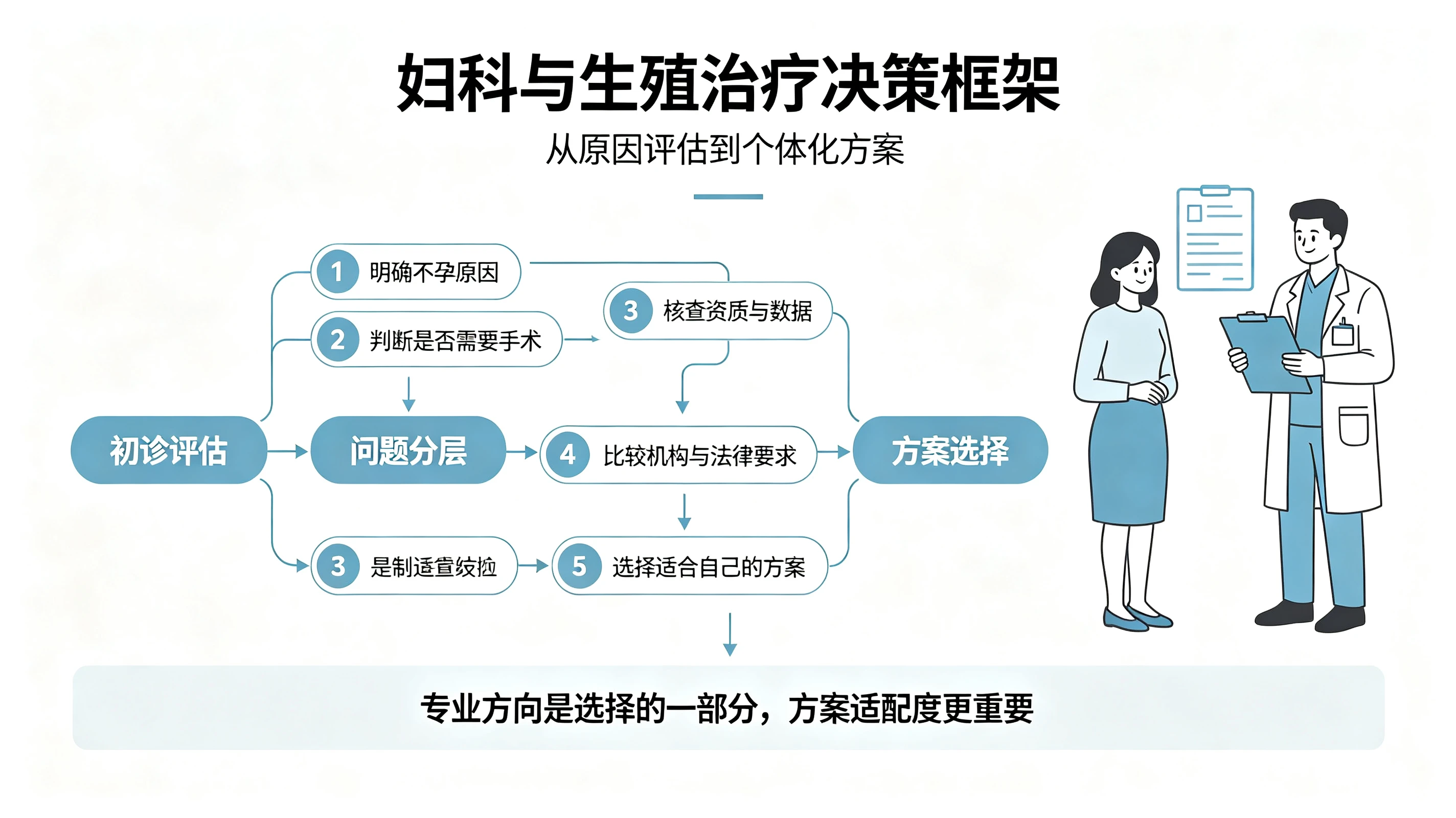
For those consideringTest tube babyFor patients undergoing treatment, a physician’s value lies not only in formulating ovarian stimulation or embryo transfer protocols, but also in assessing whether gynecological issues require prior management. For instance, conditions such as intrauterine polyps, intrauterine adhesions, and submucosal fibroids may affect uterine cavity morphology or the scheduling of embryo transfer. The decision on whether surgical intervention is necessary should be based on imaging findings, lesion characteristics, and prior treatment history, rather than treating surgery as a universal solution for allIVFRoutine steps for patients.
II. Educational Background and Professional Training: Verify both academic credentials and professional qualifications
According to publicly available third-party physician profiles,Dr. Juna ZimlitskiHer medical education background is at Tbilisi State Medical University in Georgia, and it lists her training at Hadassah Medical Center in Israel and Guy’s and St Thomas’ Hospital in the UK.
Note that training experience at a hospital or medical institution does not automatically equate to formal specialty certification in the country, nor does it directly prove that a physician has obtained qualifications for performing a specific independent surgical procedure.
Currently, publicly verifiable information is insufficient to fully confirm the following:
The specific registration numbers for medical practice in obstetrics and gynecology and reproductive medicine;
Whether they have obtained a reproductive medicine specialist qualification officially recognized by Georgia;
The specific dates, programs, and certificates of training at Hadassah Medical Center and Guy’s and St Thomas’ Hospital;
HysteroscopyLaparoscopic surgeryindependent operating qualifications and individual surgical volume;
Current position, scope of clinical practice, and surgical schedule at LeaderMed.
Therefore, patients can request the physician’s practice registration details, specialty qualifications, and relevant training certificates from the institution before making an appointment. For patients planning to undergo surgery, it is also essential to clearly confirm whether the physician will personally perform the operation, as well as who will be responsible for the surgical team, anesthesia, and postoperative follow-up.
III. Clinical Focus: From Female Infertility Assessment to Gynecological Endoscopic Diagnosis and Treatment
Based on the publicly available IVF physician directory and gynecological treatment offerings on the LeaderMed official website, as well as the professional specialties listed in third-party physician profiles, Juna Zimlitski’s clinical focus can be understood from the following perspectives. It should be emphasized that the content below is a summary of her publicly disclosed professional areas and does not imply that she personally performs all the procedures mentioned.
1. Female Infertility and Reproductive Medicine Evaluation
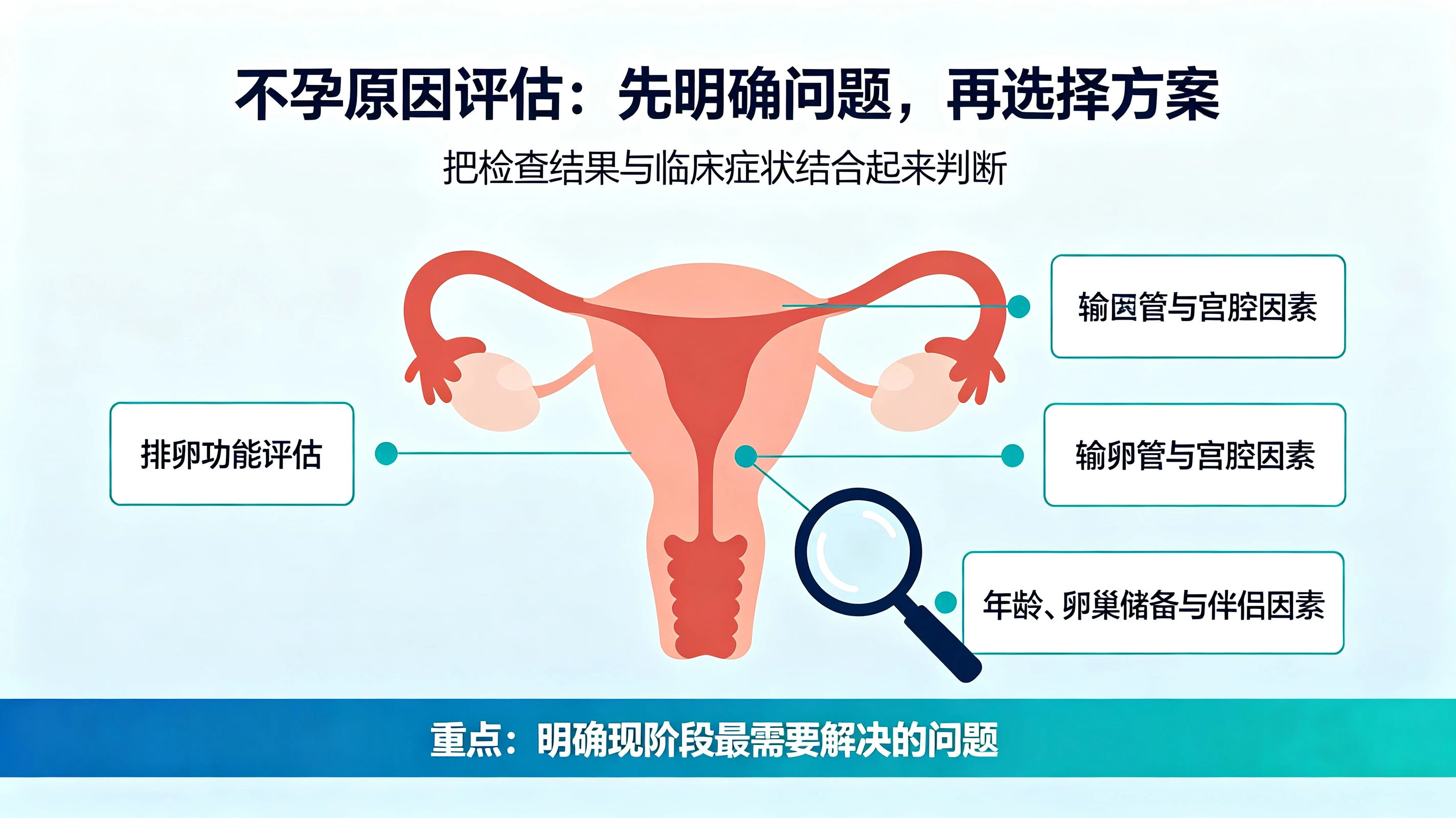
The causes of female infertility may involve ovulation disorders, diminished ovarian reserve, tubal factors, uterine and intrauterine abnormalities, and endometriosis.
During medical evaluations, doctors typically need to consider:
Menstrual cycle and ovulation status;
Ovarian reserve-related tests
Ultrasound examination of the uterus and adnexa
Assessment of tubal patency
Records of previous pregnancies, miscarriages, and assisted reproductive treatments;
Semen analysis and relevant medical history of the male partner.
Infertility evaluation should not focus solely on the female partner. For heterosexual couples, semen analysis for the male partner is typically also performed concurrently. The 2026 American Society for Reproductive Medicine (ASRM) opinion on the evaluation of female infertility emphasizes that assessment should integrate reproductive history, necessary physical examinations, and targeted diagnostic tests; laparoscopy is not a routine examination for all patients with unexplained infertility.
2. Hysteroscopy Examination and Treatment
Hysteroscopy allows for direct visualization of the uterine cavity via an endoscope and enables appropriate treatment when indicated.
Possible situations include:
Endometrial polyp
Intrauterine adhesions
Submucosal uterine leiomyoma;
Partial uterine cavity morphological abnormalities;
Uterine cavity lesions detected on imaging that require further evaluation.
The significance of hysteroscopy lies in helping physicians confirm whether definite intrauterine lesions are present and perform targeted treatment when necessary. However, not all infertile patients require hysteroscopy, and it is incorrect to assume that a single hysteroscopy before embryo transfer can improve pregnancy rates.
The 2024 Guideline on Hysteroscopic Surgery in Fertility Treatment by the Society of Obstetricians and Gynaecologists of Canada (SOGC) states that hysteroscopy can be used for the diagnosis and treatment of intrauterine pathologies, but existing evidence is inconclusive regarding whether screening hysteroscopy generally improves live birth rates in IVF patients.
Therefore, the decision on whether to proceed with surgery should be made based on a comprehensive assessment of examination results, lesion type, symptoms, and treatment plan.
3. Laparoscopy and Assessment of Pelvic Diseases
Laparoscopy is primarily used to evaluate and manage certain gynecological issues within the pelvis and abdomen, such as endometriosis in specific cases, pelvic adhesions, and adnexal pathologies.
For patients with obvious dysmenorrhea, chronic pelvic pain, a history of previous pelvic surgery, or imaging findings suggestive of pelvic abnormalities, physicians may need to further assess whether there are indications for surgical intervention.
However, laparoscopy is not a standard examination for all patients with infertility. The 2026 ASRM opinion clearly states that laparoscopy is not recommended solely for routine infertility evaluation in women without suspected pelvic pathology or other clear indications for surgery.
Patients in particular need to ask clearly: What specific problem does the surgery aim to resolve? Are there alternative options if surgery is not performed? Will the surgery affect ovarian reserve or delay IVF treatment? Is the expected improvement related to symptoms, anatomical structure, or reproductive outcomes supported by reliable evidence?
4. Gynecological Evaluation Prior to IVF Treatment
For patients preparing for in vitro fertilization (IVF) treatment, doctors may first need to assess whether the uterus and pelvic conditions are suitable for entering a treatment cycle.
For example, if ultrasound reveals uterine cavity abnormalities, further evaluation may be required; if submucosal fibroids, significant intrauterine adhesions, or other lesions are identified, it is necessary to assess whether these should be treated prior to scheduling embryo transfer.
But it is necessary to distinguish between two concepts:
Improve uterine cavity anatomy: Treat lesions that clearly affect the morphology of the uterine cavity;
Improving IVF live birth rates requires specific clinical evidence and cannot be directly inferred from the completion of a particular surgical procedure.
Patients should ask their doctors to explain the clear indications for surgery, the expected benefits, risks, and alternatives, rather than deciding to undergo the procedure solely on the basis of “creating a better environment for transplantation.”
IV. Which patients should consider seeking a consultation?
In light of the publicly available specialty areas, patients in the following categories may consider scheduling relevant evaluations:
Patient Condition | Key Areas of Consultation |
|---|---|
Difficulty conceiving, with the cause of infertility not yet identified | Complete women andMale fertilityAssess and clarify the next steps for examination |
Ultrasound findings suggest endometrial polyps, submucosal fibroids, or intrauterine adhesions. | Determine whether further hysteroscopic examination or treatment is needed |
Obvious dysmenorrhea, pelvic pain, or suspected endometriosis | Evaluate pelvic lesions and determine the indications for surgery |
History of recurrent miscarriage or failed embryo transfer | First review previous examination and treatment records, then determine whether targeted examinations are needed. |
Preparing for IVF, but with gynecological conditions | Assess whether gynecological issues need to be addressed first, and determine when to enter the treatment cycle after addressing them. |
A special reminder is needed here: recurrent miscarriage,Recurrent implantation failureIt does not necessarily mean that surgery is required. Patients should first review their previous embryo, transplantation, uterine cavity, and other relevant test results, after which the physician will determine whether there are any clear factors amenable to intervention.

V. Affiliated Institution: LeaderMed (formerly IN VITRO CLINIC)
The institutional history of LeaderMed traces back to IN VITRO CLINIC, founded in 1998. According to the institution’s official website, its team performed Georgia’s first in vitro fertilization (IVF) procedure in 2000; starting in 2005, the institution progressively launched programs including egg donation, surrogacy, and gamete cryopreservation. The website also states that since 2010, the institution has served as an affiliated clinic of Tbilisi State Medical University, and in 2021 it expanded its medical services under the LeaderMed brand. The aforementioned historical information is based on self-reported statements from the institution’s official website.
Currently, the services publicly listed on the LeaderMed website include IVF, reproductive medicine, gynecology, surgery, and other medical services. Its IVF physician directory lists Dr. Juna Zimlitski, along with other obstetricians/gynecologists, reproductive medicine specialists, and members of the embryology team.
For patients, the presence of a reproductive medicine team within an institution does not imply that all treatment stages are handled by the same physician. Protocol design for ovarian stimulation, egg retrieval, embryo culture, genetic testing, embryo transfer, and pregnancy follow-up may be performed by different physicians, embryologists, and other specialized professionals. It is recommended to obtain clear documentation on the division of responsibilities among the medical team before signing any agreements.
VI. Institutional projects and individual physicians' scope of practice should be viewed separately
LeaderMed’s official website publicly describes IVF and related reproductive services, and also listsPGT-A/PGT- Embryonic genetic testing procedures such as SR and PGT-M.
The fact that the institution offers a particular service does not mean that Dr. Juna Zimlitski personally oversees all aspects of its operation. It is recommended to verify the institution's services and Dr. Zimlitski's individual scope of practice separately.
Project | Key Verification Points |
|---|---|
IVF / ICSI | Is the doctor responsible for the initial assessment, formulation of the ovarian stimulation protocol, or transplant decision-making? |
Egg donation / Sperm donation | Donor Screening, Infectious Disease and Genetic Screening, Eligibility Criteria, and Applicable Legal Requirements |
Embryo cryopreservation | Cryopreservation methods, storage duration, renewal rules, and transfer conditions |
PGT | Detection types, applicable indications, testing laboratories, result interpretation, and testing limitations |
Hysteroscopy / Laparoscopy | Whether the procedure is personally performed by Dr. Juna, surgical indications, anesthesia, and postoperative management |
Surrogacy-related services | Scope of local law application, contract parties, parentage status, and procedures for processing birth documents |
Especially for egg donation, sperm donation, and surrogacy programs, patients should not rely solely on whether these services are listed on a clinic’s website. They must independently verify the Georgian laws applicable at the time of treatment, restrictions on patient identity, the contractual parties involved, and the procedures for obtaining post-birth parentage documentation.
VII. Success Rates and Treatment Outcomes: Do Not Substitute Institutional Promotional Figures for Individual Prognosis
When choosing an overseas reproductive center, success rates are one of the patients' primary concerns, yet this is also the area most susceptible to misleading marketing claims.
At present, publicly available materials do not provide a complete annual clinical report for LeaderMed that can be independently verified, including live birth rates per egg retrieval cycle stratified by female age, live birth rates per transfer cycle, cumulative live birth rates, and sample sizes for each statistic. Therefore, it is not recommended to directly cite success rate figures on the physician’s profile page without support from the original reports.
Particular attention should be paid to the following statistical definitions:
The clinical pregnancy rate is not equivalent to the live birth rate. Pregnancy loss may still occur after a clinical pregnancy has been confirmed by ultrasound.
The success rate of a transfer cycle is not the same as that of an egg retrieval cycle. If only patients who have progressed to the transfer stage are included, those who did not obtain any transferable embryos may be excluded.
A single transfer outcome does not equal the cumulative live birth rate. Multiple embryos obtained from a single egg retrieval may require multiple transfer cycles.
Patients of different ages cannot be directly compared. Factors such as the patient's age, ovarian reserve, source of embryos, and prior treatment history all influence the outcomes.
Donor egg cycles and autologous egg cycles should be reported separately. Since the two groups of patients differ in age structure and treatment conditions, their outcomes should not be combined and presented as a single success rate.
If an institution provides success rate data, it is recommended to request that they also specify the statistical year, patient age, egg source, cycle type, denominator, statistical endpoint, and whether canceled cycles and patients who did not obtain transferable embryos are included.
VIII. What should be confirmed in advance before seeking medical treatment in Georgia?
For international patients, treatment arrangements depend not only on the physician's clinical plan but also on the menstrual cycle, ovarian stimulation protocol, egg retrieval timing, embryo culture, and transfer method.
Generally, patients can first submit their previous medical records and test results online to determine whether an in-person consultation in Georgia is necessary. However, regarding support for remote initial consultations, fees for remote consultations, and which tests can be performed locally, patients should confirm directly with the institution.
Before traveling to Georgia, it is recommended to prepare:
Reports from previous IVF cycles, including ovarian stimulation medications, number of oocytes retrieved, number of mature oocytes, and embryo culture records;
Embryo transfer report and previous pregnancy outcomes;
AMH, basal hormone levels, and recent ultrasound results;
Uterine and uterine cavity examination data
Semen Analysis Report
Prior surgical records, pathology reports, and medication information for chronic diseases.
If you are planning to undergo hysteroscopic or laparoscopic surgery, you also need to separately confirm the preoperative examinations, anesthesia assessment, postoperative follow-up visits, and recovery time. Do not equate the “time required for one IVF cycle” with the “total stay duration for surgery plus IVF.”
The timing of visits should be based on the specific treatment pathway confirmed by your doctor. For example, some patients may only need to return after an in-person consultation and examinations, while others may require staged visits to complete procedures such as surgery, ovarian stimulation and egg retrieval, or frozen embryo transfer. It is recommended to obtain a written treatment schedule before booking flights and to allow for time flexibility due to changes in menstrual cycles, abnormal test results, or adjustments to the treatment plan.
9. Eight Questions to Confirm with Your Doctor Before the Face-to-Face Consultation
Based on my age, AMH, AFC, and previous treatment records, what is the most critical fertility issue that needs to be addressed at this time?
Is there any definite intrauterine or pelvic lesion? What is the basis for the diagnosis?
If hysteroscopy or laparoscopy is recommended, what are the specific surgical objectives?
Are there any alternatives to surgery? What risks might the surgery entail?
How long do I need to wait after surgery before starting ovarian stimulation or embryo transfer?
During an IVF cycle, which procedures are personally performed by the physician? Are egg retrieval and embryo transfer carried out by the same doctor?
Can the institution provide live birth rates and cumulative live birth data stratified by age and by autologous versus donor oocytes?
What are the contract terms for embryo cryopreservation, renewal fees, transportation, and subsequent handling?
If a doctor recommends adding surgeries, tests, or additional treatments, patients should request clear medical justification, expected benefits, risks, costs, and the consequences of not undergoing the procedure. In particular, in cases of repeated implantation failures, it is not advisable to add multiple tests or treatments based on a single failure.
X. Comprehensive Evaluation: Suitable for patients focused on the connection between gynecological issues and reproductive treatment
Based on publicly available information from the LeaderMed website, Dr. Juna Zimlitski is an obstetrician and reproductive medicine specialist within the institution’s IVF team. Third-party physician profiles further list gynecological endoscopy, hysteroscopy, and laparoscopy as her areas of expertise; however, patients are advised to verify specific qualifications, surgical volumes, and the scope of independent practice prior to consultation.
For patients who have both infertility issues and gynecological lesions, it is worth focusing on whether physicians can effectively integrate reproductive assessments with necessary gynecological treatments. However, this does not imply that all patients require surgery, nor should minimally invasive procedures themselves be regarded as a guarantee for improving IVF success rates.
When choosing a doctor, it is recommended to focus on three key aspects:
Can you clearly explain the causes of infertility and the most pressing issues that need to be addressed at this stage?
Whether one can distinguish between lesions that truly require surgical intervention and imaging findings that do not warrant any treatment;
Are you willing to provide verifiable personal practice credentials, surgical information, and treatment outcome statistics?
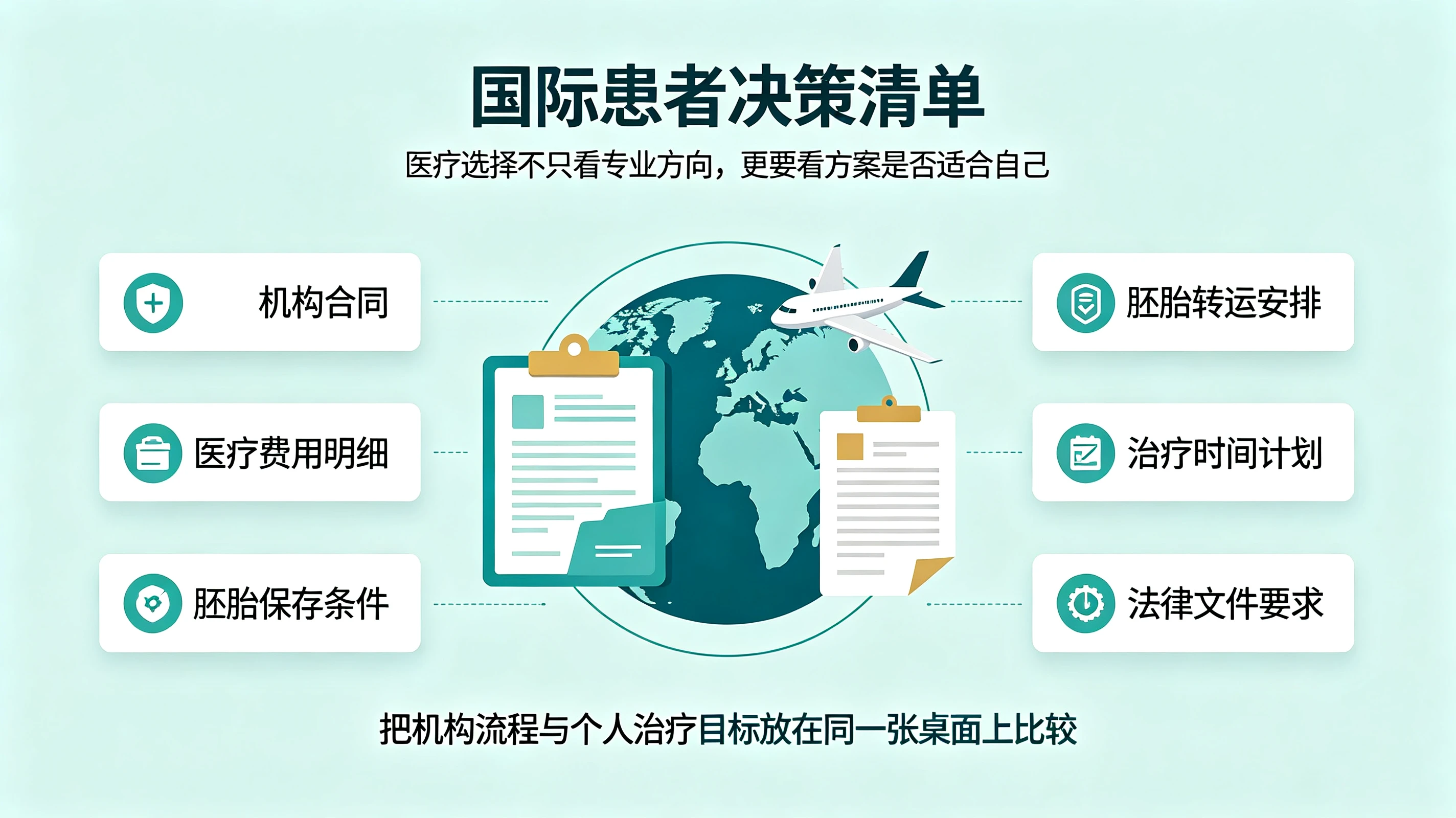
For international patients, decisions should also take into account institutional contracts, medical costs, embryo preservation and transfer, treatment scheduling, and legal documentation requirements. A physician’s specialty is only one factor in the selection process; whether a treatment plan is suitable for your individual circumstances is a more important criterion.
Photos and videos
View all 7 photos
Target audience
Areas of Expertise
Education
Use language
Frequently Asked Questions
The content on this website is general educational material and compiled public information about IVF. It is provided for reference only, does not constitute a basis for diagnosis or medical decision-making, and does not constitute any medical advice or treatment recommendation. For policy and technical requirements, please refer to official publications issued by the relevant authorities and institutions. If you find any content errors, numerical inconsistencies, or outdated information, please contact us so we can verify and update it.
