


Based on the institution's official disclosures, industry standards set by the Japan Society of Obstetrics and Gynecology, and cross-verification of regulatory credentials, this article provides a systematic overview of the institution's technical framework, clinical track record, fees, and compliance boundaries. The content is neutral and non-promotional, serving as a reference for those seeking reproductive medical care in Japan.
[Core Overview · Understand the Key Information in 30 Seconds]
Institutional PositioningA leading reproductive medicine specialty hospital in Japan's Kansai region, headquartered in Kobe, Hyogo Prefecture. It is an accredited specialist physician training facility certified by the Japan Society of Obstetrics and Gynecology, with its annual frozen-thawed embryo transfer volume ranking among the top six nationwide. Both its clinical scale and proprietary technology are in Japan's first tier.
Core Advantages: PossessSEET Endometrial Stimulation and Embryo TransferOriginal patented technology focusing on micro-stimulation and natural cycle low-dose ovarian stimulation, suitable for advanced maternal age and diminished ovarian reserve; features a dedicated male infertility clinic enabling simultaneous diagnosis and treatment for couples
Best-fit audienceparticularly suitable for older women with diminished ovarian reserve,Recurrent transplant failureinfertile couples who are unable to tolerate high-dose ovarian stimulation and require simultaneous evaluation and treatment of both partners.
Core Risk WarningJapan strictly prohibits commercial surrogacy,PGTEthics committee approval is required; basic procedures may be covered by Japanese health insurance, while advanced technologies are mostly out-of-pocket. Note that the same-named independent gynecology clinic in Osaka is a separate entity and has no affiliation.
I. Basic Overview of the Organization
Development History and Qualifications
Hanabusa Women's Clinic(Hanabusa Women's Clinic)Japan Ying HospitalThe reproductive medicine center is one of the most prominent reproductive specialty institutions in the Kansai region. With years of deep commitment to clinical practice and technology R&D in assisted reproductive medicine, it has developed multiple diagnostic and treatment technologies with proprietary intellectual property rights.
According to the hospital’s publicly available data, a total of 42,388 clinical pregnancies were achieved from 2010 to 2023. National statistics from the Japan Society of Obstetrics and Gynecology show that the hospital’s annual frozen embryo transfer cycles reached 3,546, making it one of only six institutions in Japan with more than 3,000 annual FET cycles; its annual outpatient volume exceeds 100,000 visits, and its annual IVF cycles are approximately 8,000.
In terms of official credentials, the hospital is a designated cooperative facility for specialist physician training under the Japan Society of Obstetrics and Gynecology (JSOG), as well as an accredited training facility recognized by the Japan Society of Reproductive Medicine and Development. It assumes responsibility for the standardized training of reproductive medicine specialists, with its clinical care protocols strictly adhering to Japan's industry quality assurance standards.
Campus Distribution
The clinic operates five treatment centers within Hyogo Prefecture, covering Kobe and its surrounding areas, and has also established overseas partner institutions:
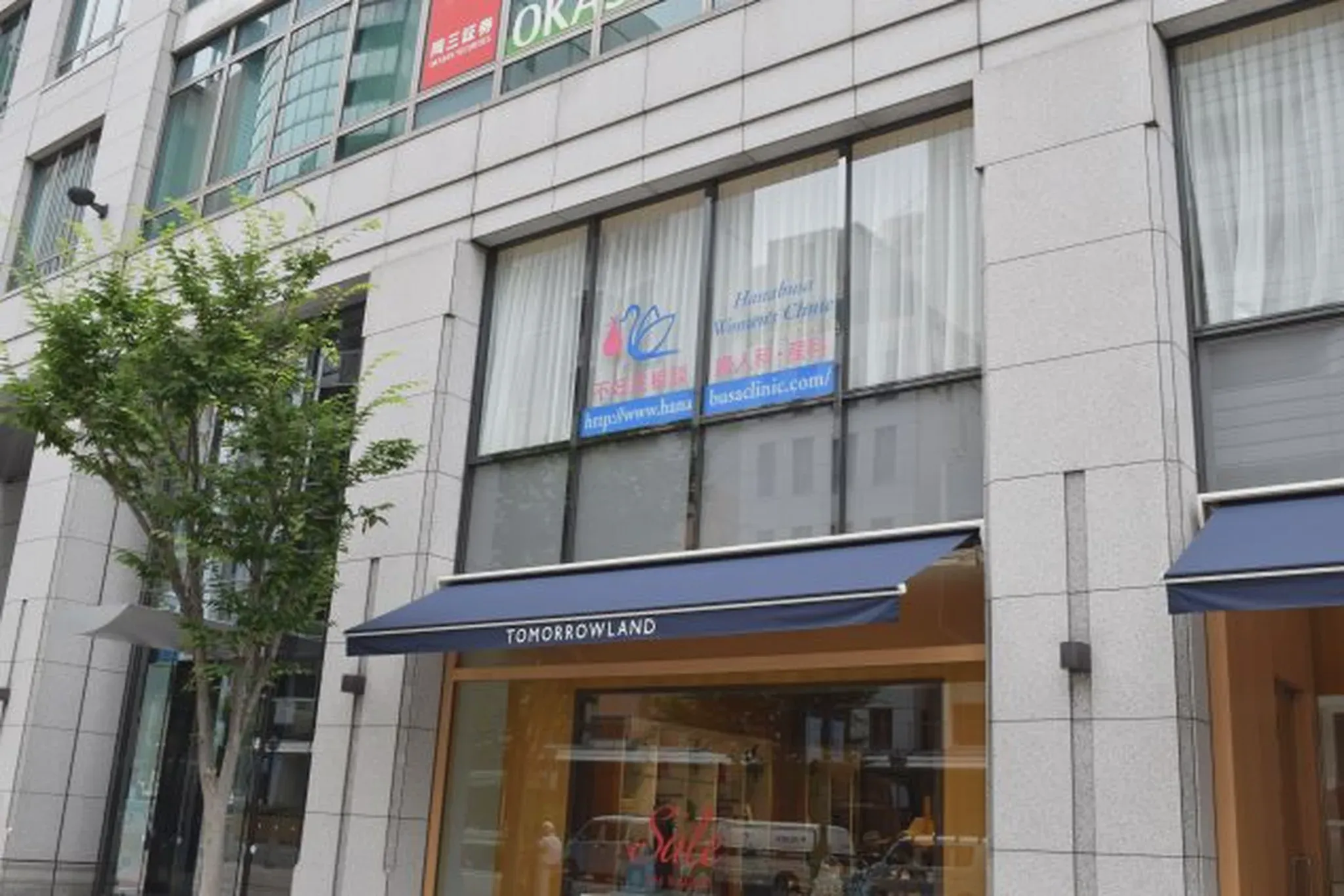
San Gong Main HospitalLocated in the Sannomiya central business district in Chuo Ward, Kobe City, with direct access via multiple railway lines, it serves as the core clinical facility, responsible for performing key procedures such as egg retrieval and embryo transfer.
Nishinomiya Campus: Capable of independently completing the full IVF diagnosis and treatment process, serving residents of Nishinomiya and surrounding areas.
Nishi-Akashi Campus: primarily focused on basic outpatient services and routine examinations
Tarumi Campus: Offer evening clinics to make it convenient for working professionals to seek medical care.
Andrology ClinicA standalone facility located near Sannomiya Station, specializing in comprehensive diagnosis and treatment for male infertility.
Overseas, a partner branch named Hanabusa is located in San Diego, California, USA.IVFOutput the hospital's standardized diagnosis and treatment system.
Operations and Service Support
The hospital operates on an appointment-only basis. The Sanmiya Main Hospital is open for daytime consultations from 8:30 to 16:00 on weekdays, with additional evening consultations from 17:00 to 19:30 on Mondays, Wednesdays, and Fridays. Half-day clinics are available on weekends and public holidays. On-site support services include temporary childcare, psychological counseling, and genetic counseling, along with complementary fertility support such as acupuncture, hydrogen therapy, and Kampo care. For international patients, Chinese-English bilingual medical interpreters and a dedicated coordination team are provided. Remote pre-consultations are available to optimize travel plans for medical treatment in Japan.
II. Core Medical Team
The clinic’s core team is composed of specialist physicians certified by the Japan Society for Reproductive Medicine, balancing clinical care and academic research and development, and has received numerous academic awards from the Japan Society for Reproductive Medicine and the IVF Society.
Masahide Shioya, M.D. | Founder & Chief Expert
A senior expert in reproductive medicine in Japan, inventor of the SEET endometrial stimulation transfer and two-stage embryo transfer methods, and holder of related medical patents in Japan and the United States. He has long been dedicated to research on embryo implantation mechanisms and the optimization of clinical protocols, and is particularly skilled inRecurrent implantation failure、Individualized diagnosis and treatment for advanced maternal age infertility; led the development of the hospital’s mild ovarian stimulation and patented embryo transfer technology system.
Tokuhisa Kanegawa, M.D. | Director of the Andrology Department & Head of the R&D Center
Graduate of the School of Medicine, Kobe University; Certified Specialist in Reproductive Medicine / Instructor of the Japan Society for Reproductive Medicine; Certified Specialist in Urology of the Japanese Urological Association; also serving as Representative of the Japan Society for Reproductive Medicine and Councilor of the Japanese Society of Andrology. Has received numerous academic honors, including the Award of the Japan Society for Reproductive Medicine and the Yoshishige Mori Award of the Japan IVF Society; research findings have been featured in internationally high-impact reproductive journals on multiple occasions. Specializes in the diagnosis and treatment of male infertility, proficient inMicrosurgical sperm retrieval...andrological reproductive surgeries such as varicocele repair, while also leading the hospital's research and development in reproductive medicine.
Multidisciplinary Support Team
Supported by a dedicated team of embryologists, genetic counselors, mental health counselors, reproductive dietitians, and Traditional Chinese Medicine physiotherapists, we build a multidisciplinary full-cycle care system.
III. Full-Category Diagnosis and Treatment Service System
1. Core Assisted Reproductive Technologies
Basic Fertility Diagnosis and TreatmentOvulation monitoring and guidance, intrauterineArtificial insemination(IUI), Comprehensive Fertility Assessment
Distinctive Ovulation Induction SystemWith minimal stimulation protocols (Mini IVF) and natural-cycle egg retrieval as its core features, it significantly reduces gonadotropin dosage, lowers the risk of ovarian hyperstimulation syndrome (OHSS), and offers flexible treatment cycles, making it particularly suitable for older patients, those with diminished ovarian reserve, and those who cannot tolerate prior high-dose controlled ovarian stimulation.
Micromanipulation fertilization technologyStandard ConfigurationPiezo-ICSIPiezoelectric microinjection technology gently opens the oocyte membrane using piezoelectric pulses, reducing mechanical damage to oocytes compared with conventional ICSI and improving fertilization stability.
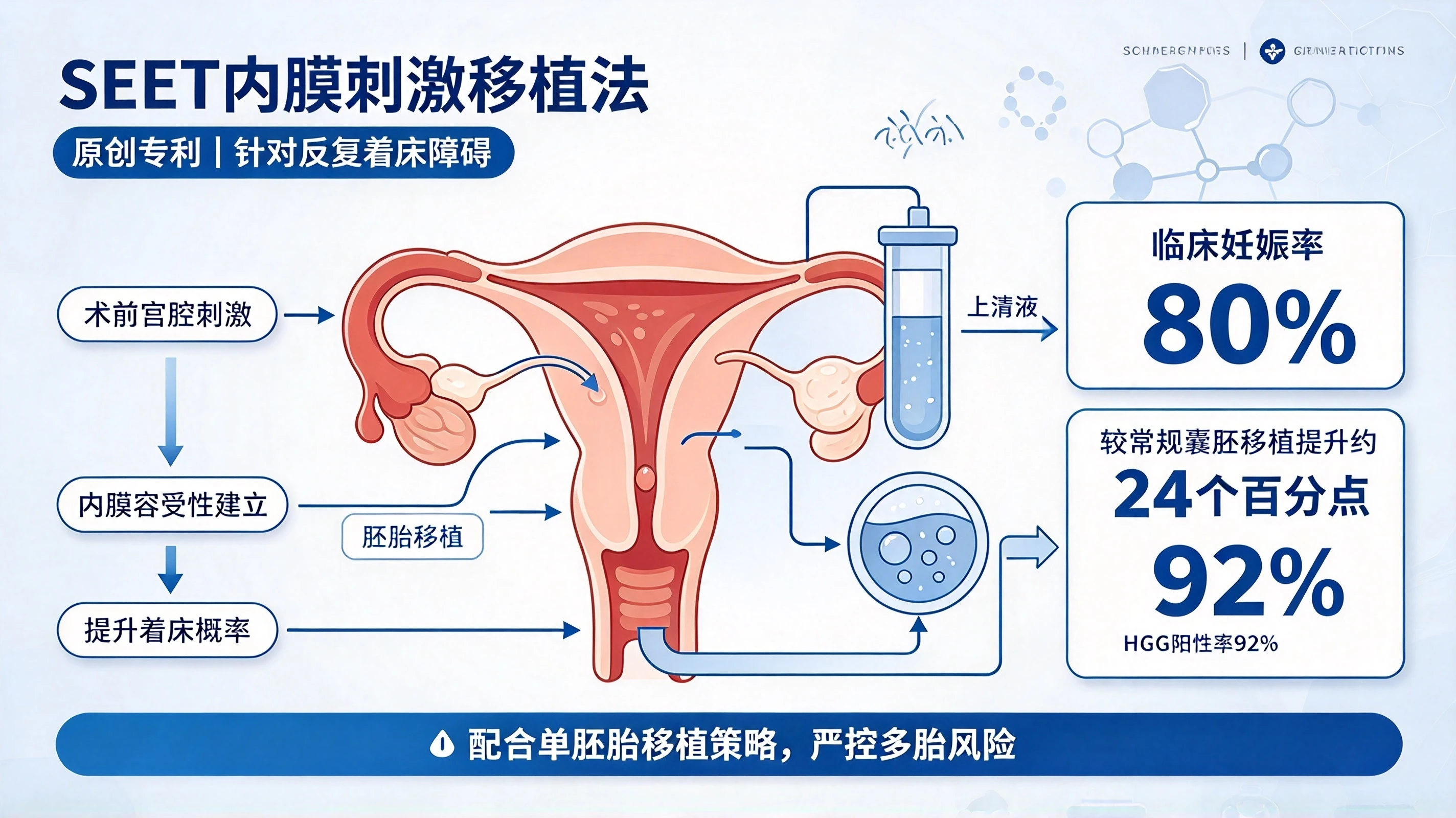
Patented transplant technologyOriginal SEET endometrial stimulation and embryo transfer method, which induces the establishment of endometrial receptivity in advance by injecting embryo culture supernatant into the uterine cavity prior to embryo transfer. Clinical data show that it significantly improves implantation rates in patients with recurrent implantation failure; a complementary two-step embryo transfer protocol further optimizes implantation conditions, while a single-embryo transfer strategy is adopted to strictly control the risk of multiple gestation.
Embryo Culture and Cryopreservation: Equipped with a time-lapse embryo culture system that enables continuous, non-invasive monitoring of embryo development; uses vitrification technology to support long-term cryopreservation of oocytes, embryos, and ovarian tissue.
Embryo genetic testing:ProvidePGT-AServices such as PGT-M and other preimplantation genetic testing must strictly meet medical indications and be conducted only after approval by the hospital’s ethics committee.
2. Male Infertility Specialty
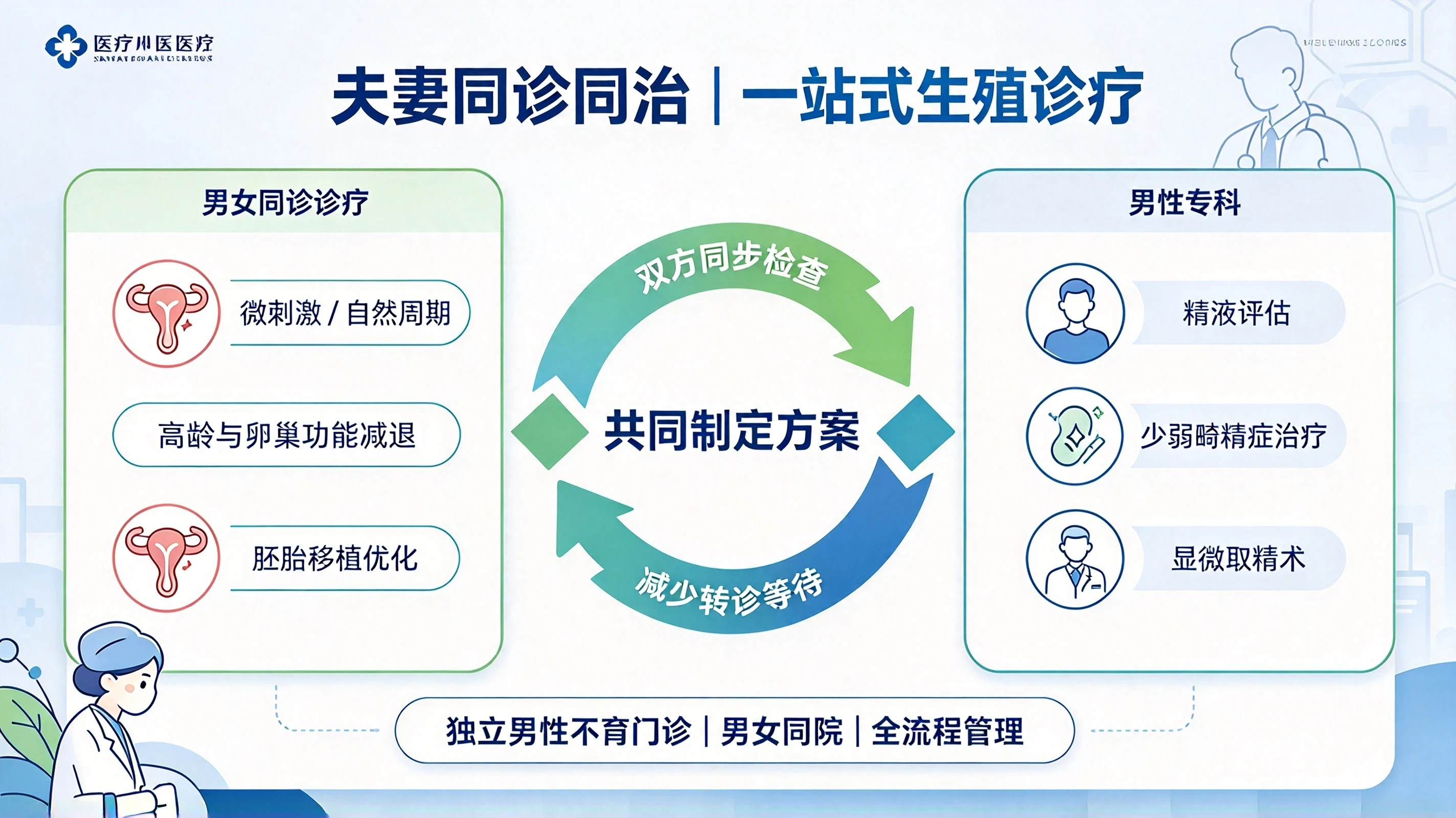
An independently established male infertility specialty clinic enables both male and female partners to receive diagnosis and treatment within the same facility without inter-facility referrals. A full spectrum of male reproductive diagnostics and treatments is offered, including routine semen analysis and sperm function assessment, comprehensive management of oligoasthenoteratozoospermia, varicocelectomy, and micro-TESE (microdissection testicular sperm extraction), with end-to-end care provided by urologists specializing in andrology.
3. Supporting Diagnostic and Treatment Services
Beyond core reproductive technologies, we provide complementary professional services including genetic counseling, embryologist consultations, psychological counseling, and nutritional guidance. We also offer supportive conditioning programs such as traditional herbal therapy, acupuncture, molecular hydrogen inhalation, and aromatherapy to enhance fertility conditions from both physiological and psychological perspectives.
IV. Core Clinical Advantages
Powered by proprietary patented technology to overcome the challenge of repeated implantation.The SEET endometrial stimulation transfer technique is a proprietary patented technology exclusively developed by our institution. It offers clear clinical benefits for patients with recurrent implantation failure and is one of the few widely validated original implantation optimization protocols in Japan’s reproductive medicine field. Combined with a single-embryo transfer strategy, it improves pregnancy probabilities while effectively controlling the risk of multiple births, making it a core competitive advantage that distinguishes our institution from other institutions.
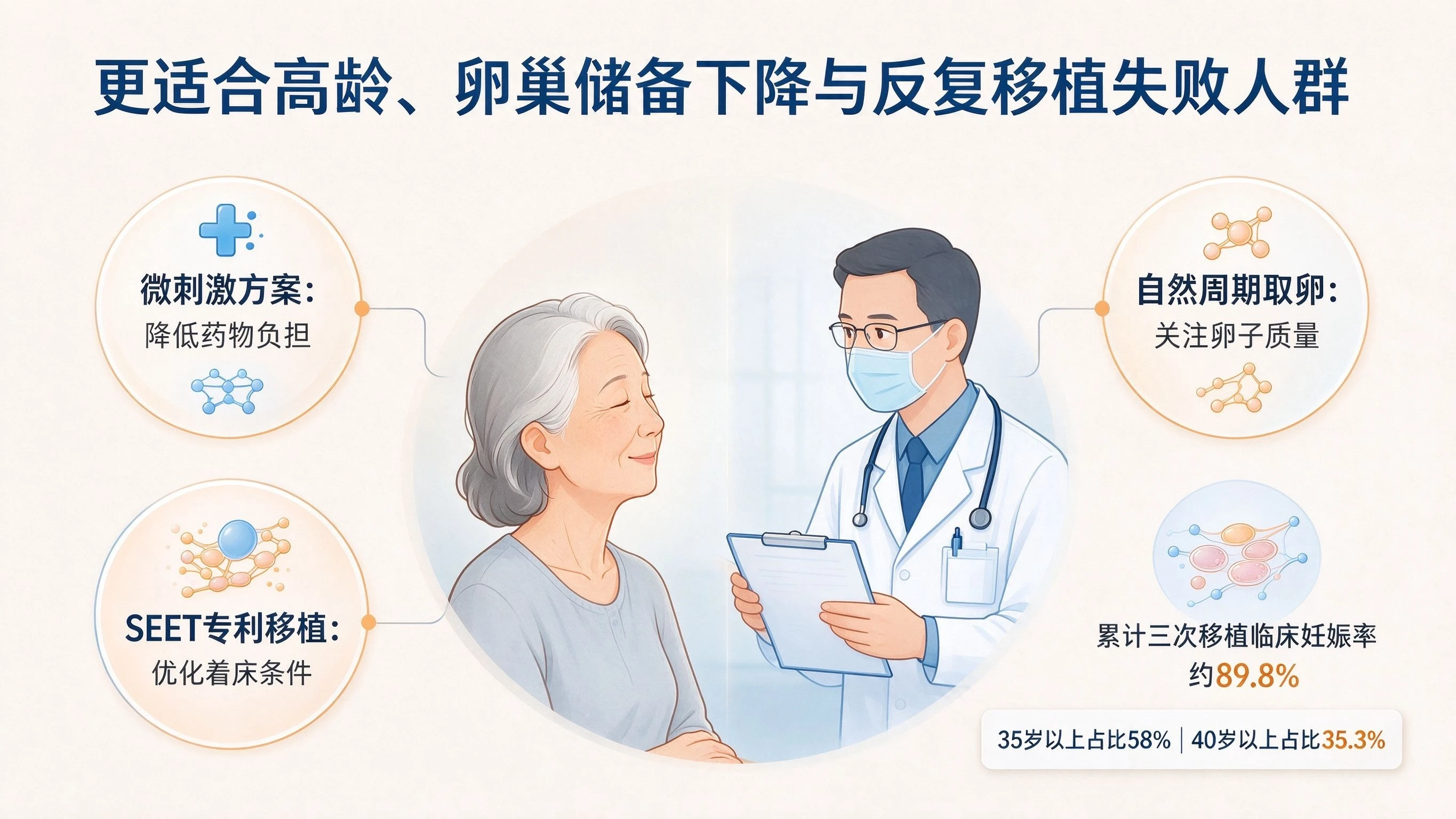
A low-stimulation approach to ovulation induction, balancing efficacy with physical burden.Our approach focuses on mild stimulation and natural-cycle ovarian stimulation protocols, without blindly pursuing oocyte yield; instead, greater emphasis is placed on oocyte quality and patient tolerability. With fewer medication side effects and flexible clinic visit schedules, it is particularly suitable for patients of advanced maternal age, those with diminished ovarian reserve, and those who wish to minimize medication exposure.
Joint diagnosis and treatment for both men and women, a one-stop solution for fertility issues.With a dedicated andrology clinic and full reproductive gynecology services, both partners can complete all examinations and treatments at the same hospital. This avoids the inconvenience of visiting separate facilities and allows physicians to develop treatment plans from a holistic, couple-based perspective, improving diagnostic and treatment efficiency.
Extensive clinical experience and a mature quality control systemOver a decade of clinical data from more than 40,000 pregnancies supports the continuous iterative optimization of treatment protocols. As a designated specialist training center by the Japan Society of Obstetrics and Gynecology, both clinical procedures and laboratory management strictly adhere to industry standards, ensuring stable and reliable quality of care.
Well-established processes for international patients make traveling to Japan for medical care highly convenient.Backed by a professional international patient services team, we facilitate remote pre-assessments, enable rapid completion of basic examinations, and minimize the length of stay for a single egg retrieval cycle, thereby reducing the time cost of cross-border medical care to the greatest extent possible.
V. Success Rate Data and Scientific Interpretation
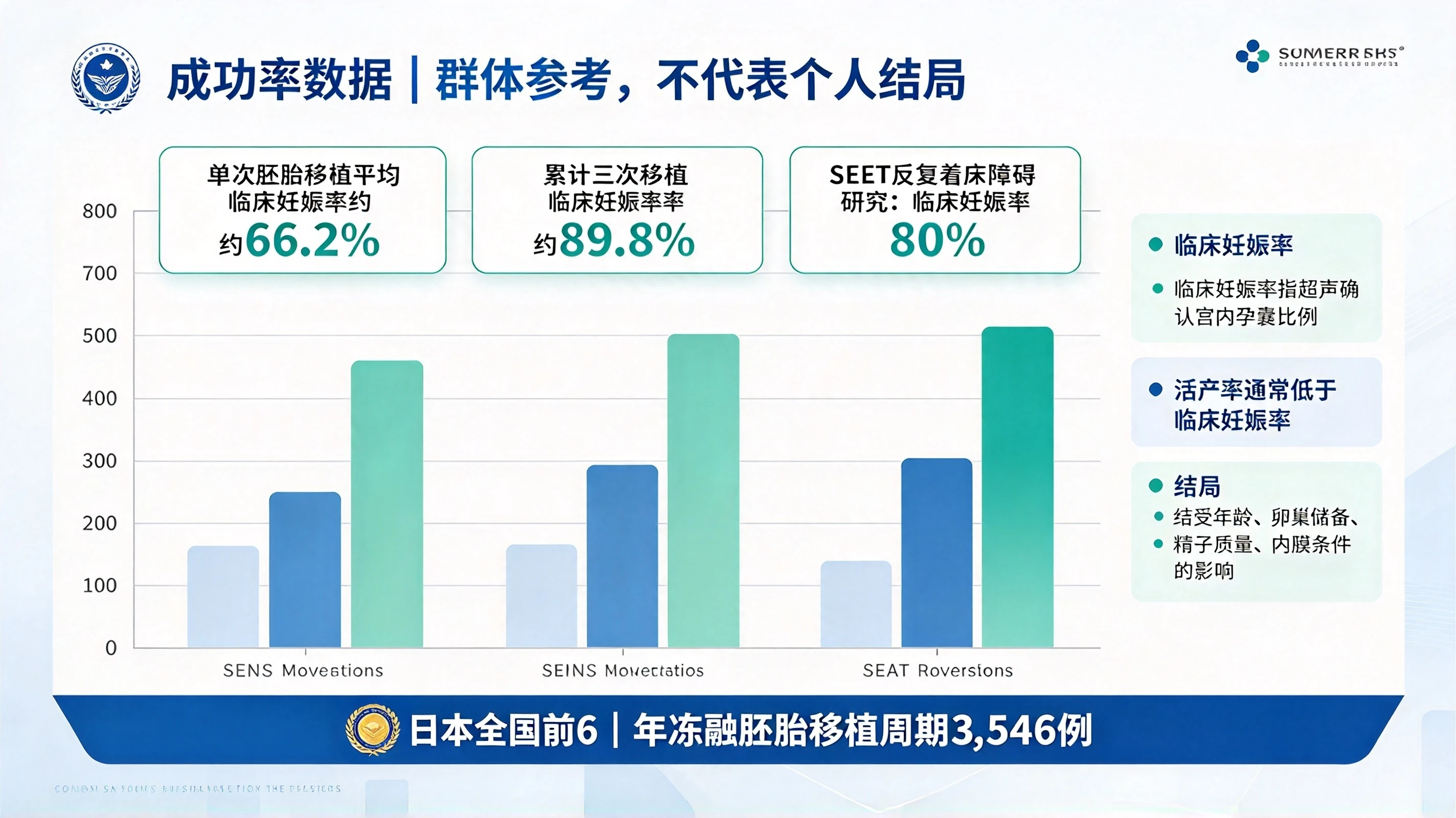
Important NoticeThe following data are derived from official institutional publications and clinical research findings. All population-level statistics are for reference only and do not represent individual diagnosis and treatment outcomes. The clinical pregnancy rate refers to the proportion of pregnancies in which an intrauterine gestational sac is confirmed by ultrasound. The live birth rate is affected by multiple factors during pregnancy and is usually lower than the clinical pregnancy rate.
Core Clinical Data
Patent Technology Performance: A controlled clinical study in patients with recurrent implantation failure showed that the SEET transfer method could achieve a clinical pregnancy rate of up to 80%, approximately 24 percentage points higher than that of conventional blastocyst transfer, and an HCG positive rate of up to 92%. The research findings have been presented at an international reproductive medicine conference and have obtained patent certification.
Overall clinical manifestationsThe hospital’s average clinical pregnancy rate per single embryo transfer is approximately 66.2%, and its cumulative clinical pregnancy rate after three transfers is approximately 89.8%. Notably, patients aged 35 and above account for 58% of patients treated at the hospital, while those aged 40 and above account for 35.3%, meaning the share of older patients is higher than the industry average. Despite this patient profile, the hospital maintains stable pregnancy rates, reflecting the suitability of its treatment protocol.
Industry Scale and Position: With the annual number of frozen-thawed embryo transfer cycles ranking among the top six nationwide in Japan, the institution is one of the largest in terms of clinical volume in the field of assisted reproductive medicine in Japan.
Data Interpretation
Overall, the hospital’s patient case mix skews toward more complex cases and advanced maternal age, yet it still achieves stable pregnancy outcomes, indicating that its combination of a mild stimulation protocol and a patented transfer technique has clear value for older patients and those with recurrent treatment failures. However, it should be noted that individual success rates are always affected by baseline factors such as age, ovarian reserve, semen quality, and endometrial conditions; an in-person consultation is needed for a more accurate individualized assessment.
VI. Cost Reference and Pitfall Avoidance Tips
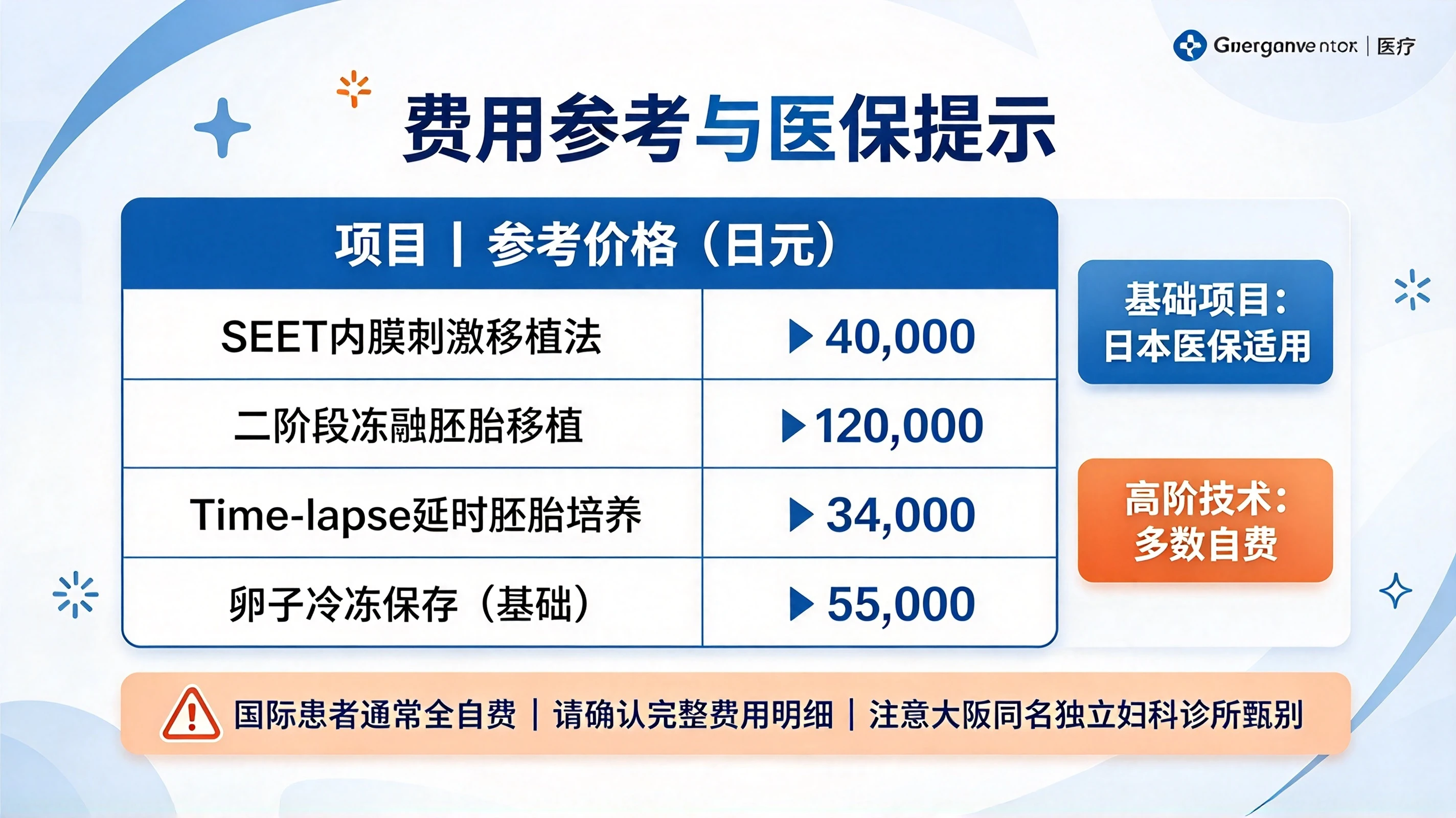
The following is the hospital’s publicly available reference pricing for self-pay services (excluding consumption tax); final charges are subject to the hospital’s real-time posted rates. Basic infertility treatments for eligible residents of Japan are covered under the National Health Insurance, with a 30% patient copayment. Advanced medical treatment procedures require full self-payment. International patients are generally not eligible for Japanese health insurance and are billed at full self-pay rates.
Reference for Core Self-Paid Items
Table
Project | Reference Price (JPY) |
|---|---|
SEET (Sub-Educational Endometrial Transfer) | 40,000 |
Two-step frozen-thawed embryo transfer | 120,000 |
Time-lapse Embryo Culture | 34,000 |
Egg Freezing (Fundamentals) | 55,000 |
Explanation of Medical Insurance Policy
Japan's National Health Insurance covers basic ovarian stimulation, artificial insemination, and some conventional in vitro fertilization procedures, with a 30% copayment; advanced reproductive technologies such as SEET transfer, PGT, and extended embryo culture are not covered by insurance and must be paid for out of pocket.
⚠Fees and Tips to Avoid Pitfalls
Ovarian stimulation medications, anesthesia, additional conditioning treatments, annual embryo storage fees, and other items are billed separately; total costs can vary significantly depending on the treatment protocol, so be sure to request a complete itemized fee breakdown before your appointment.
Translation services and travel arrangements for international patients are subject to additional fees; the service scope and pricing must be confirmed in advance with the official coordinating party.
Identification of same-named institutions: In Osaka City, there is another “Hanabusa Women’s Clinic,” an independently operated community gynecology clinic that offers only basic gynecological treatment and simple infertility guidance, and does not provideTest tube babyand other advanced assisted reproductive services, withKobe Ei HospitalThere is no affiliation of any kind; please verify carefully when making an appointment.
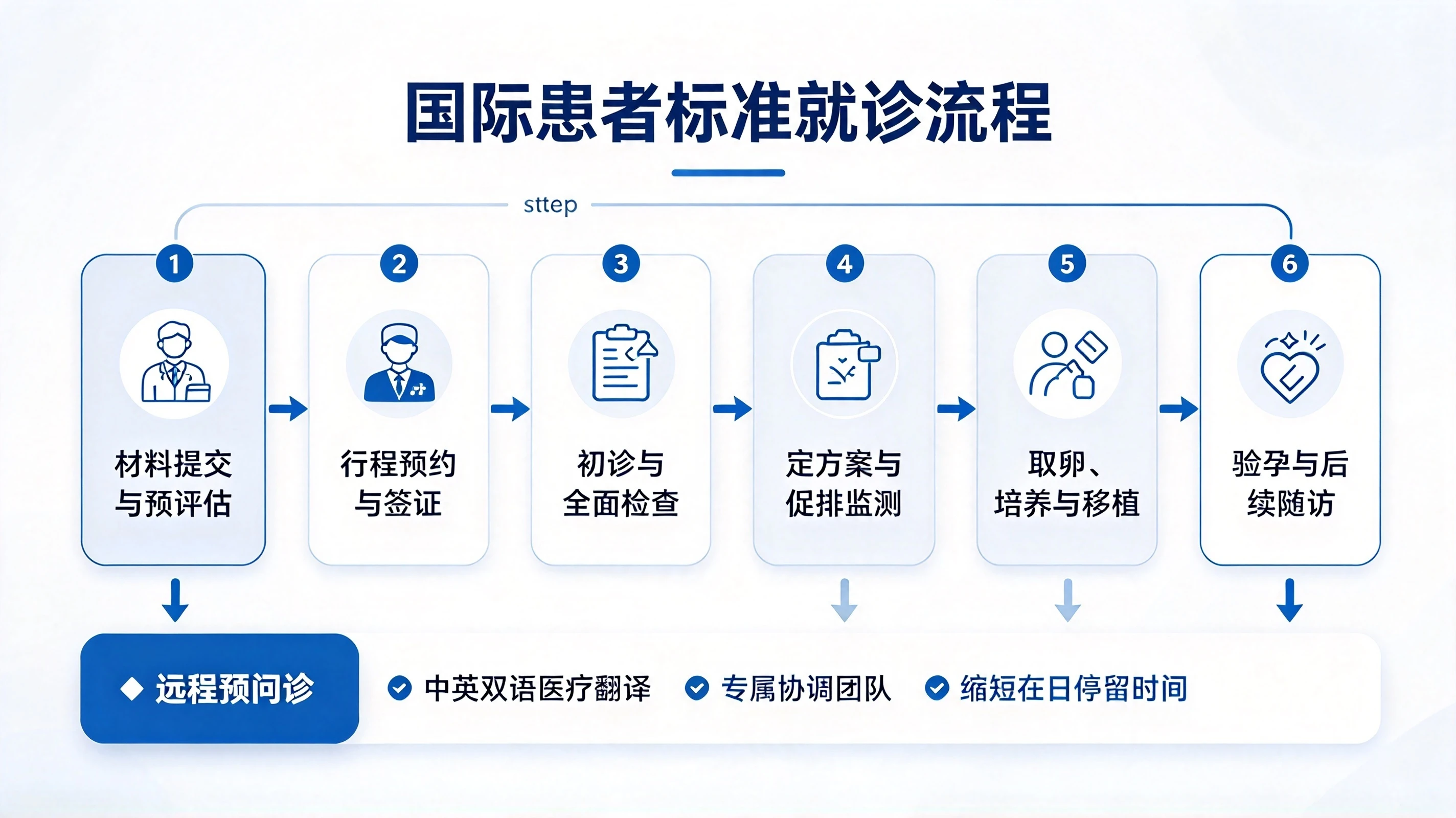
VII. Standard Patient Visit Procedure for International Patients
Remote Preparation Phase (Completed Domestically)
Material Submission and Preliminary EvaluationOrganize previous examination reports, submit them through international service channels, have the medical team conduct a preliminary condition assessment, and provide general treatment directions and cost estimates.
Itinerary Reservation: After confirming the treatment plan, schedule an in-person consultation based on the menstrual cycle, apply for a medical visa, and arrange the trip to Japan.
Inpatient Treatment Phase (Kobe Sannomiya Main Hospital)
Arrival, Initial Consultation, and ExaminationUpon arrival, complete a comprehensive fertility re-evaluation and any necessary preoperative screening; basic tests can be completed within 1–2 days.
In-Person Doctor Consultation to Determine the Treatment Plan: Have a one-on-one consultation with the attending physician to confirm the final ovarian stimulation and treatment plan, review the associated risks and expectations, and sign informed consent.
Ovulation Induction and MonitoringProceed with the ovarian stimulation cycle according to the protocol, with regular follow-up visits to monitor follicular development; the monitoring frequency for the mini-stimulation protocol is relatively flexible.
Oocyte retrieval procedureOnce the follicles are mature, a trigger shot is administered; oocyte retrieval is then performed transvaginally under intravenous anesthesia, and patients can be discharged after several hours of postoperative observation if no abnormalities occur.
Embryo Culture and Handling: Fertilization and culture are completed in the laboratory; if PGT is required, biopsy and cryopreservation are performed concurrently.
Endometrial Preparation and TransplantationOnce the endometrium has been prepared to an optimal state, embryo transfer is performed, followed by post-procedure luteal support as prescribed.
Pregnancy test confirmation: A blood pregnancy test will be performed approximately 14 days post-transfer to confirm whether a clinical pregnancy has occurred.
Follow-upOnce an intrauterine pregnancy is confirmed, patients may choose to continue early pregnancy follow-up in Japan or return home for ongoing prenatal care; the hospital provides remote pregnancy guidance.
8. Industry Standing and Patient Reputation
Industry academic status
Teaching QualificationsA specialist physician designated training facility of the Japan Society of Obstetrics and Gynecology and a certified residency training facility of the Japan Society for Reproductive Medicine, responsible for the standardized training of Japanese reproductive medicine specialists.
Technical Influence: OriginalSEET TechnologySecured patents in Japan and the United States, adopted and applied by multiple reproductive institutions in Japan, and helped advance the overall progress of embryo transfer technology in Japan.
Academic AchievementsThe core team has won multiple major academic awards from the Japanese Society of Reproductive Medicine and the Japanese Society for IVF, with numerous research findings published in authoritative reproductive medicine journals both domestically and internationally.
Industry ScaleWith annual frozen-thawed embryo transfer cycles consistently ranking among the top nationwide, it is a benchmark institution in Japan’s assisted reproductive technology industry, combining scale with technical strength.
Current Status of Patient Reputation
Local Japanese patient reviews are generally positive, with recognition centered on: mild stimulation protocols causing fewer physical side effects, attentive medical staff service, and patented technologies providing clear benefits for patients with repeated failures.
International patient feedback highlights tightly arranged itineraries, smooth interpreter-assisted communication, and short stays in Japan, making it suitable for cross-border patients with limited time.
Negative feedback primarily includes: long wait times during peak clinic hours, a large number of out-of-pocket items that easily exceed the budget, and the inability to select a specific doctor at the night clinic.
IX. Compliance Red Lines and Clarification of Common Misconceptions
Compliance Boundaries Related to Assisted Reproduction in Japan
Surrogacy: Japanese law explicitly prohibits commercial surrogacy, and legitimate medical institutions do not offer related services; Chinese law likewise expressly prohibits surrogacy. Do not blindly trust any related promotions by intermediaries.
Gender selectionPGT may only be used for the screening of genetic diseases and chromosomal abnormalities for medical indications; sex selection for non-medical purposes violates the ethical guidelines of the Japan Society of Obstetrics and Gynecology and is strictly prohibited.
Gamete donationJapan enforces strict ethical standards on egg and sperm donation, implementing systems of anonymous donation and informed consent while prohibiting the commercial sale of gametes.
Fertility PreservationBoth egg freezing and embryo freezing are legal, supporting fertility preservation for medical needs and social reasons.
Patient populationIn Japan, legitimate assisted reproductive medical services are, in principle, offered to married couples, and unmarried individuals should confirm the institutions' admission policies and related risks in advance.
Clarification of Common Misconceptions
❌Myth 1: "Going to Japan for IVF allows you to choose the gender" — Japan has strict ethical restrictions on non-medical sex selection, and legitimate institutions do not provide such services.
❌Myth 2: “Micro-stimulation protocols yield fewer eggs, so success rates are certainly lower than the long protocol” — protocol selection should match individual medical conditions; for women of advanced age or with poor ovarian reserve, micro-stimulation may produce higher egg quality, and outcomes are not necessarily inferior to high-dose stimulation.
❌Myth 3: "All IVF treatments in Japan are covered by health insurance" – Only basic infertility treatments are included in health insurance coverage; advanced procedures such as SEET transfer, PGT, and extended embryo culture are out-of-pocket expenses. International patients are not eligible for Japan's national health insurance.
10. Target Audience and Decision-Making & Action Guide
More suitable target audience
Individuals aged over 35 with advanced maternal age and diminished ovarian reserve who prefer a mild ovarian stimulation protocol
Individuals who have experienced multiple failed embryo transfers and suboptimal outcomes with conventional protocols.
Couples in which the male partner has infertility and both spouses wish to receive synchronized diagnosis and treatment at the same hospital
Individuals planning to seek medical care in Japan who prioritize efficient diagnosis and treatment and wish to minimize their length of stay in Japan.
People who are intolerant to high-dose ovulation-stimulating medications and are more concerned about the physical burden during treatment.
Groups advised to exercise caution when choosing
People with non-compliant requests, such as surrogacy and non-medical sex selection
People with very limited budgets who cannot afford out-of-pocket costs for advanced techniques.
Populations with coexisting severe medical and surgical diseases who require multidisciplinary critical care support.
People who have zero tolerance for wait times during medical appointments and require a queue-free experience throughout the entire process.
Five Key Questions to Confirm During a Face-to-Face Consultation
Based on my age, AMH levels, and previous treatment history, which ovarian stimulation protocol is most recommended? What are the approximate expected number of retrieved eggs and the probability of pregnancy?
Is a SEET transplant necessary in my current situation? Compared with conventional transplantation, what are the benefits and the additional costs, respectively?
Throughout the entire treatment cycle, which items are out-of-pocket and which are covered by medical insurance? What is the estimated range for the total cost?
What are the fee standards, renewal methods, and maximum storage period for embryo cryopreservation?
If this cycle is unsuccessful, how are the costs of transferring the remaining embryos and the protocol adjustments for restarting a cycle arranged?
Photos and videos
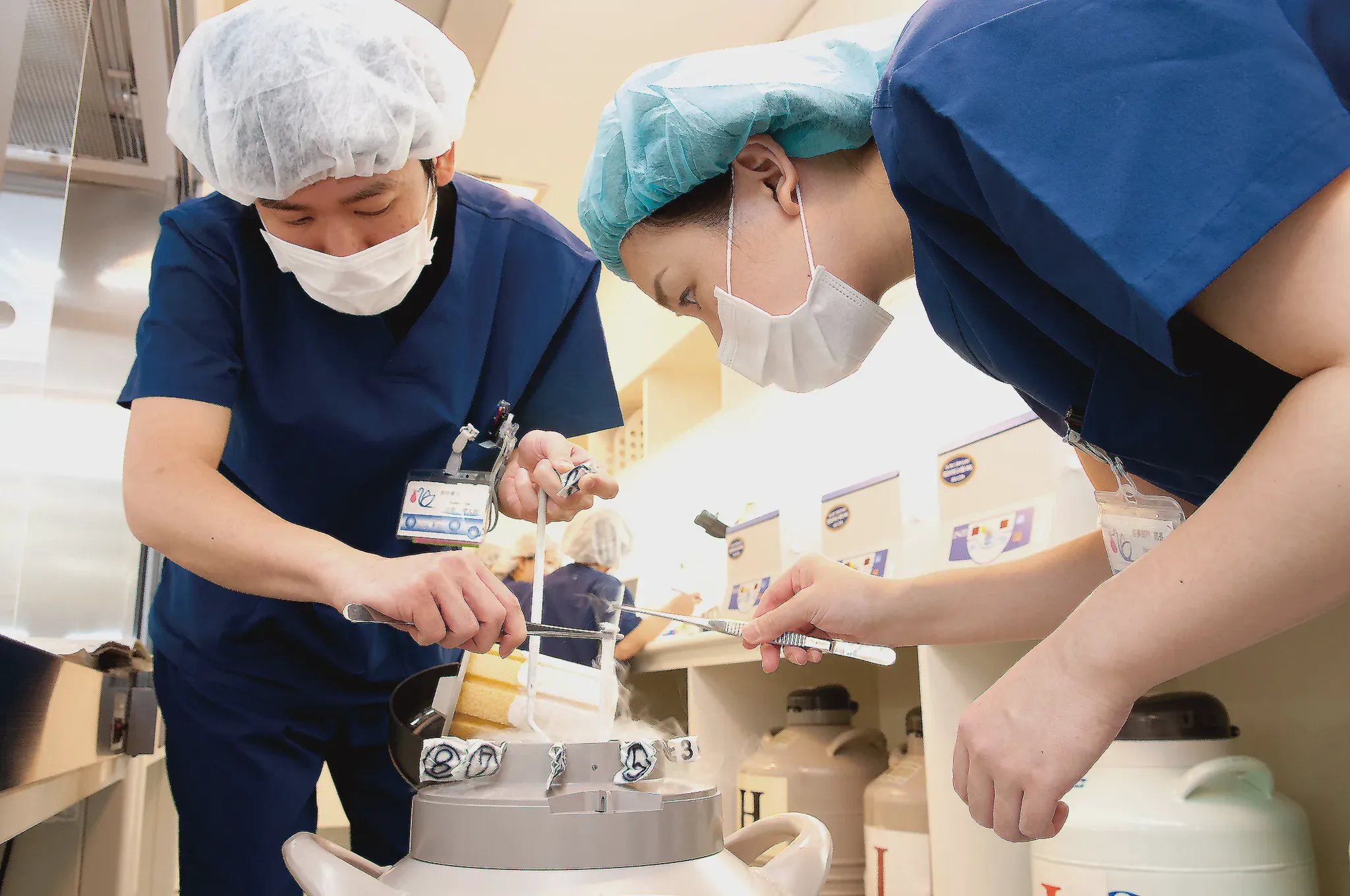
View all 9 photos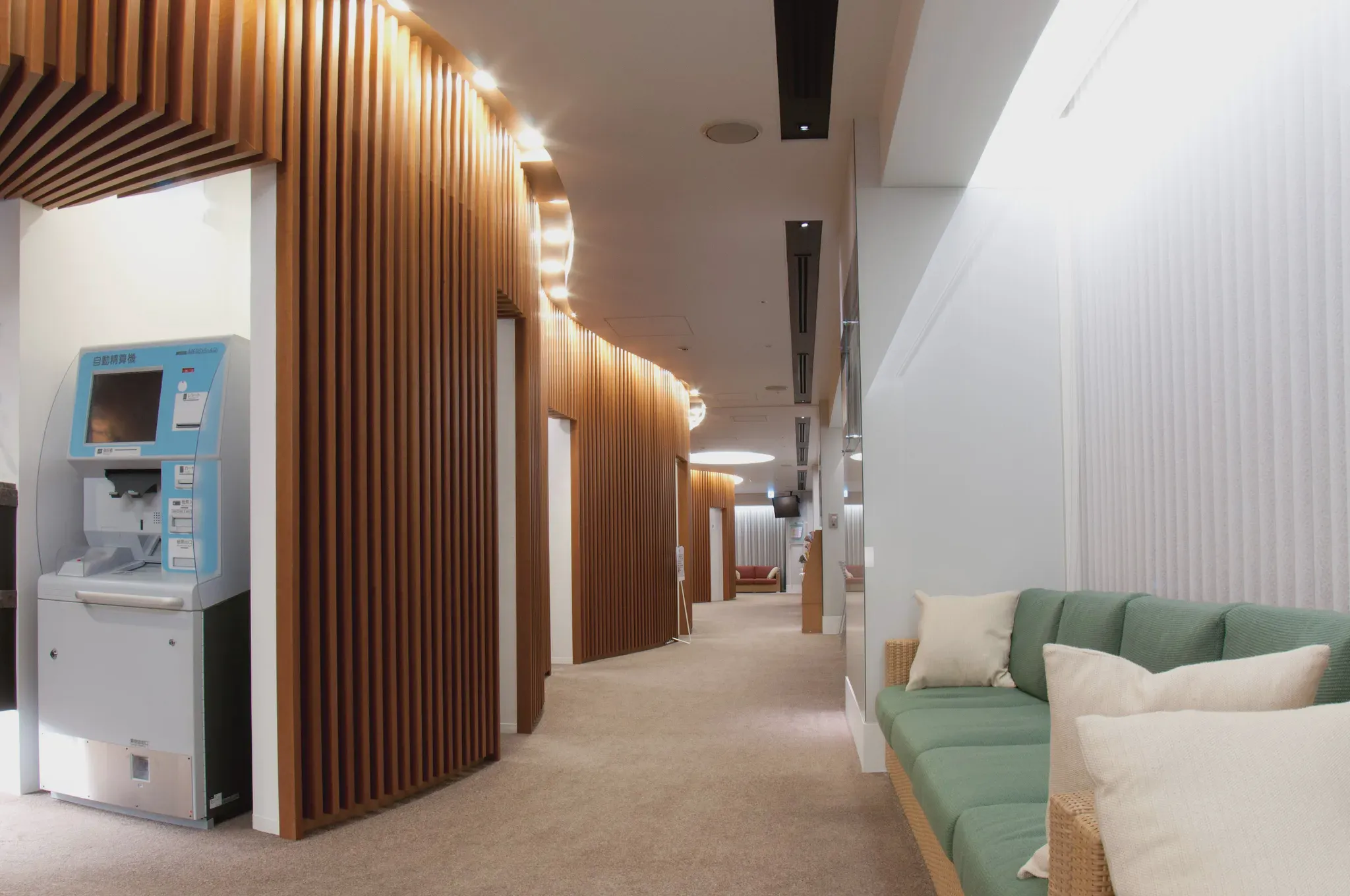
Business Highlights
Core Advantages
Facilities
More
Frequently Asked Questions
The content on this website is general educational material and compiled public information about IVF. It is provided for reference only, does not constitute a basis for diagnosis or medical decision-making, and does not constitute any medical advice or treatment recommendation. For policy and technical requirements, please refer to official publications issued by the relevant authorities and institutions. If you find any content errors, numerical inconsistencies, or outdated information, please contact us so we can verify and update it.