


Masahide ShiogayaMasahide Shiotani (Japanese name: 塩谷雅英, Shiota ni Masahide) is a leading authority in the field of assisted reproductive technology and a pioneer in clinical innovation in Japan. He is associated with a medical corporation.Ying Hospital(Hanabusa Women's Clinic,Hanabusa Women's Clinic) Founder and Chairman of the Group,Doctor of Medicine, Kyoto University. He has dedicated nearly 40 years to clinical practice and research in reproductive medicine, pioneering multiple patented diagnostic and therapeutic technologies such as the SEET thin-film method. He possesses extensive industry expertise and significant academic influence in the fields of embryo culture optimization, implantation intervention, and the treatment of infertility in advanced maternal age.
I. Education and Professional Background
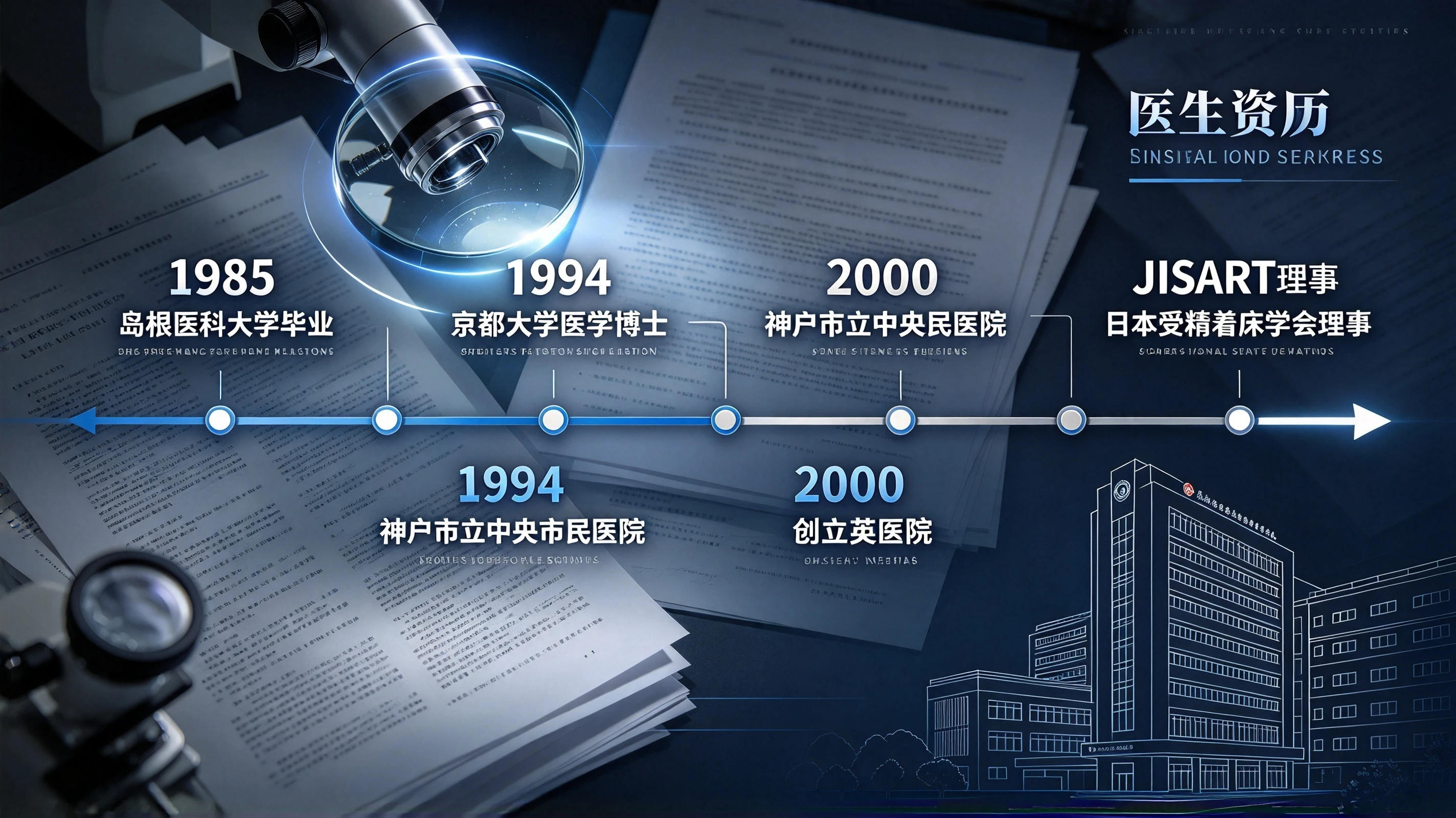
Masahide Shioya graduated from the Faculty of Medicine at Shimane Medical University in 1985 and joined the Department of Obstetrics and Gynecology at Kyoto University's Faculty of Medicine in the same year. He became a member of the university's in vitro fertilization research team, studying under Professor Yoichi Noda, a pioneer in Japan's IVF field, focusing on implantation mechanisms of fertilized eggs and clinical infertility treatment. In 1994, he earned his Doctor of Medicine degree from Kyoto University for his research on the implantation process. That same year, he joined the Department of Obstetrics and Gynecology at Kobe City Medical Center General Hospital, where he led the clinical management of Hyogo Prefecture's first baby born through intracytoplasmic sperm injection (ICSI), establishing himself as one of Japan's key experts in the early promotion of micromanipulation-assisted fertilization techniques.
In March 2000, Masahide Shiogaya founded the first Hanabusa Women’s Clinic in Kobe. By 2024, the medical group had expanded into a large-scale chain with four clinics within Japan: the Sannomiya Main Clinic, Nishinomiya Clinic, Tarumi Clinic, and a male infertility specialty clinic, along with an overseas affiliated branch, Hanabusa IVF, in San Diego, USA. The group performs over 4,700 frozen embryo transfer cycles annually, and from 2010 to 2023, it has recorded a cumulative total of 42,388 pregnancy cases, placing its clinical scale and outcomes among the top reproductive medicine institutions in Japan.
II. Core Technological Innovations and Clinical Contributions
Masahide Shiotani has long focused on the mechanisms of embryo implantation and the optimization of assisted reproductive technologies, with multiple original techniques already widely applied in the global field of assisted reproduction:
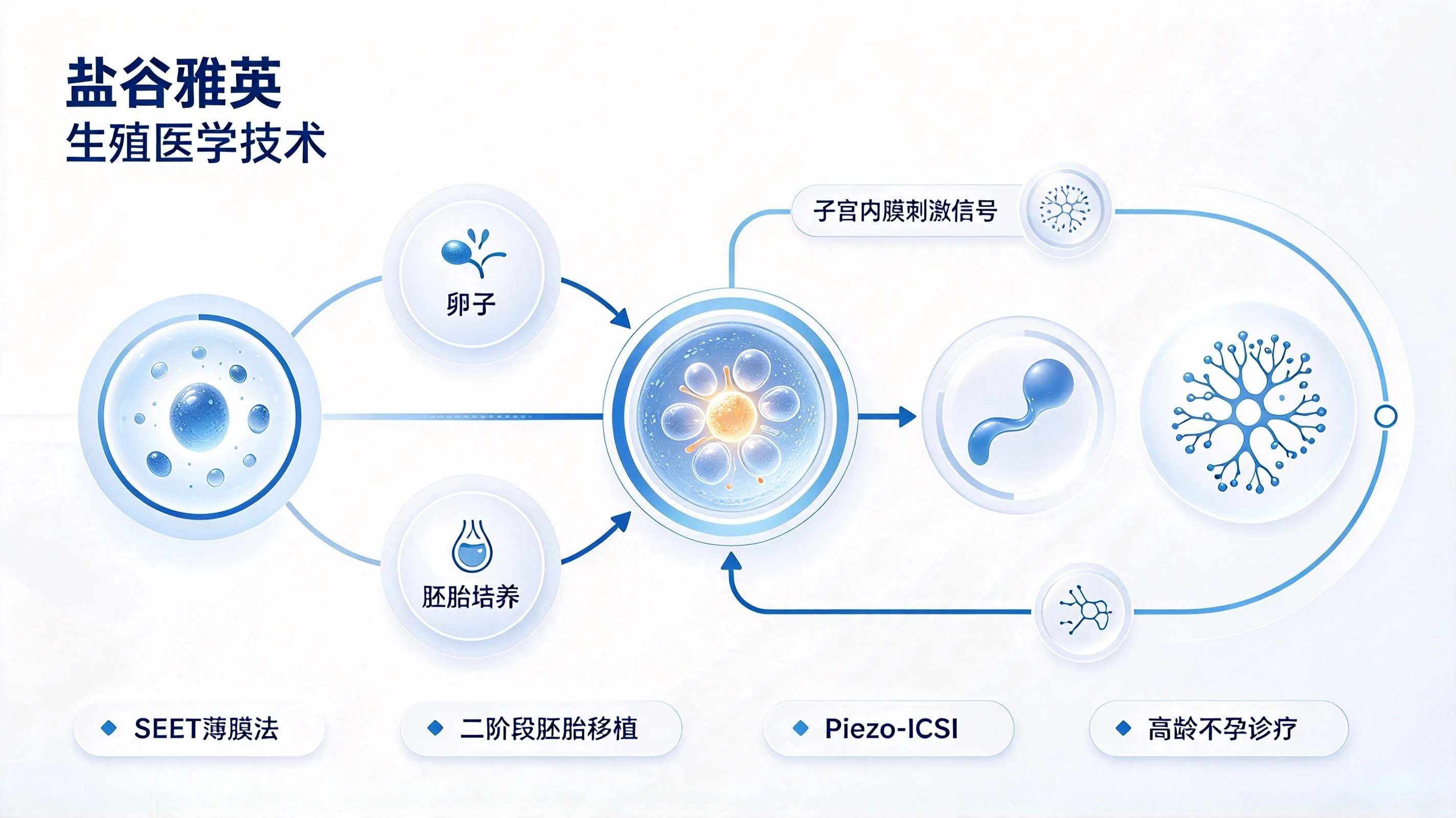
SEET Technique (Superficial Endometrial Injury Embryo Transfer)This patented technology, pioneered by Masahide Shioya’s team, is based on the core principle of injecting embryo culture supernatant into the uterine cavity prior to blastocyst transfer. The cytokines and other signaling molecules within the supernatant induce endometrial receptivity in advance, thereby mimicking the natural implantation signaling process during pregnancy. Without increasing the risk of multiple pregnancies, this technique significantly improves embryo implantation rates and clinical pregnancy rates, particularly benefiting patients with recurrent implantation failure. It has currently been included in Japan’s list of advanced medical technologies.
Two-stage embryo transferAs a predecessor to the SEET technique, this approach involved sequentially transferring early embryos and blastocysts within the same treatment cycle, improving the implantation environment through stepwise stimulation of the endometrium, thereby laying the core foundation for the development and clinical validation of the subsequent SEET method.
Piezo-ICSI Micro-vibration MicroinjectionBy employing a micro-vibration approach to penetrate the oocyte membrane, this technique significantly reduces mechanical damage to oocytes compared with conventional ICSI, thereby improving fertilization success rates and embryo development quality in advanced maternal age patients. Related clinical research findings have been published in international reproductive medicine journals.
Individualized Embryo Culture System for Advanced Maternal Age PatientsMasahide Shioya is one of the pioneers who successfully cultured early embryos to the blastocyst stage worldwide. He led the development of a staged, customized culture medium system specifically optimized to address the decline in embryonic developmental potential caused by oocyte aging, significantly improving clinical pregnancy rates among older infertile patients.
III. Professional Qualifications and Industry Positions
Professional Qualifications
Masahide Shiroya holds multiple Japanese national-level specialist qualifications in reproductive medicine:
Board-Certified Specialist and Supervising Physician of the Japanese Society of Obstetrics and Gynecology
Specialist and Supervising Physician in Reproductive Medicine, Japanese Society of Reproductive Medicine
Clinical Genetic Specialist
Industry and Academic Appointments
Masahide Shioya holds key positions in multiple authoritative organizations in Japan's reproductive medicine field, continuously driving the industry toward standardization.
Director of the Japan Institute for Reproductive Medicine Standardization (JISART)
Board Member of the Japanese Society for Fertilization and Implantation
Special Appointed Councilor of the Japanese Society for Reproductive Medicine
The Eikoku Hospital, founded by him, is the only reproductive medicine institution in Hyogo Prefecture certified by JISART. It must pass over 450 quality management audit standards and undergo re-evaluation every three years, with its clinical care quality and management system reaching the top tier of Japan's industry standards.
IV. Target Patient Population
Masahide Shioya’s clinical practice is clearly defined, and is particularly suitable for the following three groups of patients:
Women of advanced maternal age preparing for pregnancy: Specializes in developing individualized mild stimulation protocols for ovarian stimulation based on ovarian reserve assessment, optimizing oocyte quality and quantity while minimizing physical burden, with extensive clinical experience in achieving successful pregnancies in advanced-age patients.
Patients with recurrent implantation failureBy integrating SEET patented technology with multi-dimensional assessments—including ERA endometrial receptivity testing, EMMA-ALICE uterine microbiome analysis, and immune factor evaluation—a precise embryo transfer and endometrial preparation protocol is formulated.
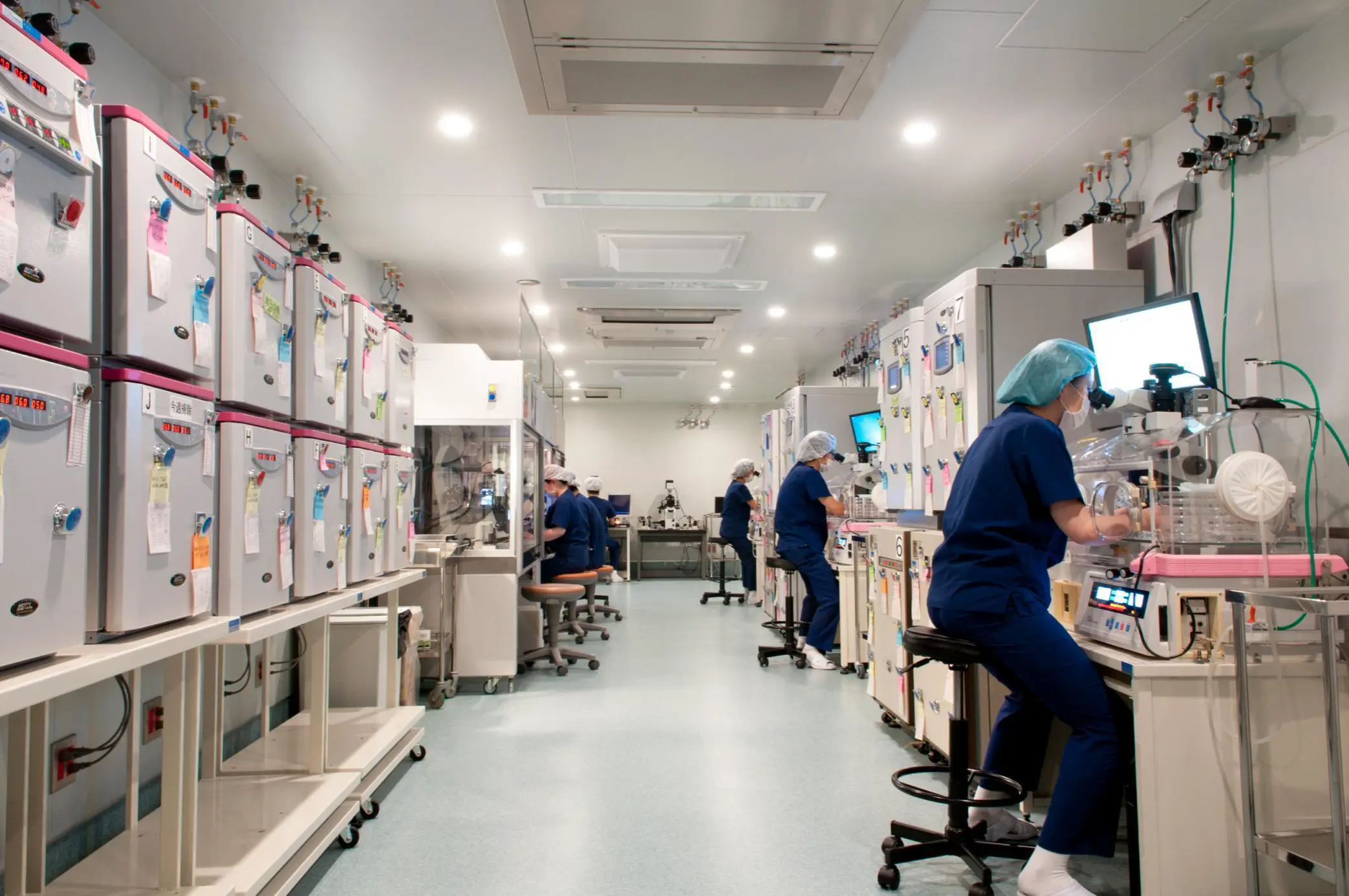
Patients seeking refined embryo culture and diagnostic/treatment servicesThe team is equipped with cutting-edge systems, including a time-lapse embryo culture system, IMSI (Intracytoplasmic Morphologically Selected Sperm Injection) ultra-high-resolution microscopy for sperm selection, and ZyMōt physiological sperm selection technology, placing it at the forefront in Japan for refined embryo culture and selection.

V. Academic Research Achievements
According to statistics from public academic databases, Masahide Shiotani has published a total of 74 academic papers, with over 1,000 citations and an h-index of 20. His research interests span reproductive biology, embryo implantation mechanisms, male infertility, and optimization of assisted reproductive technologies. Many of his findings have been published in leading international journals in reproductive medicine, including Fertility and Sterility, Human Reproduction, and Reproductive Medicine and Biology.
In addition, Masahide Shioya has authored numerous popular science and professional books, including "For Those Who Want a Baby" and "Guide to Infertility Treatment," and has long been dedicated to promoting public awareness of reproductive medicine and advancing the standardization of clinical practices in the field.
Photos and videos
View all 5 photos
Target audience
Areas of Expertise
Education
Use language
Frequently Asked Questions
The content on this website is general educational material and compiled public information about IVF. It is provided for reference only, does not constitute a basis for diagnosis or medical decision-making, and does not constitute any medical advice or treatment recommendation. For policy and technical requirements, please refer to official publications issued by the relevant authorities and institutions. If you find any content errors, numerical inconsistencies, or outdated information, please contact us so we can verify and update it.