


I. Institutional Overview: A Women’s Full-Cycle Health and Reproductive Specialty Institution in Central
Gratia Medical CentreLocated in Central, Hong Kong Special Administrative Region, China, it is a private medical institution that specializes in reproductive medicine while offering comprehensive women’s health management services across the entire lifecycle. Its business scope encompasses fertility assessment, assisted reproductive technology (ART), gynecology, obstetrics, surgery, and general health management.
Grateful HealthcarePredecessor to the Hong Kong Reproductive Health Centre Limited (RHC), founded in 2007 with an initial focus on women's reproductive health and fertility treatment services. In September 2021, Jinsheng Reproductive Healthcare Group completed the acquisition of the Hong Kong Reproductive Health Centre (RHC) andAssisted Reproductive Technology in Hong KongCentre (Hong Kong Assisted Reproduction Centre,HKARC) acquisition, making Grateful Medical one of Jinxin Reproductive Health's core medical service brands in Hong Kong. HKEXnews
Compared to a singleIVFUnlike the Laboratory Center, Gratitude Medical is positioned more towardA comprehensive women's health specialty clinic featuring reproductive medicineBeyond assisted reproductive treatments, we also provide comprehensive ancillary services—including gynecological care, pregnancy and childbirth management, breast surgery, psychological counseling, Traditional Chinese Medicine (TCM) conditioning, and nutritional consultation—addressing women’s needs across the entire lifecycle from preconception planning and maternity care to everyday health management.
Basic Information of the Institution
Table
Project | Details |
|---|---|
Chinese Name | Grateful Healthcare |
English name | |
Region | Central, Hong Kong SAR |
Founding Time | 2007 |
Predecessor Institution | Reproductive Health Centre (RHC), Hong Kong |
Nature of the Organization | Private healthcare institutions |
Core Positioning | Reproductive medicine, full-cycle women's health management, and comprehensive specialty care |
Parent Group | Jinxin Reproductive Medical Group (01951.HK) |
Official website |
II. Clarification of Entity Relationships: Division of Responsibilities between Gratitude Medical and the Hong Kong Assisted Reproduction Centre (HKARC)
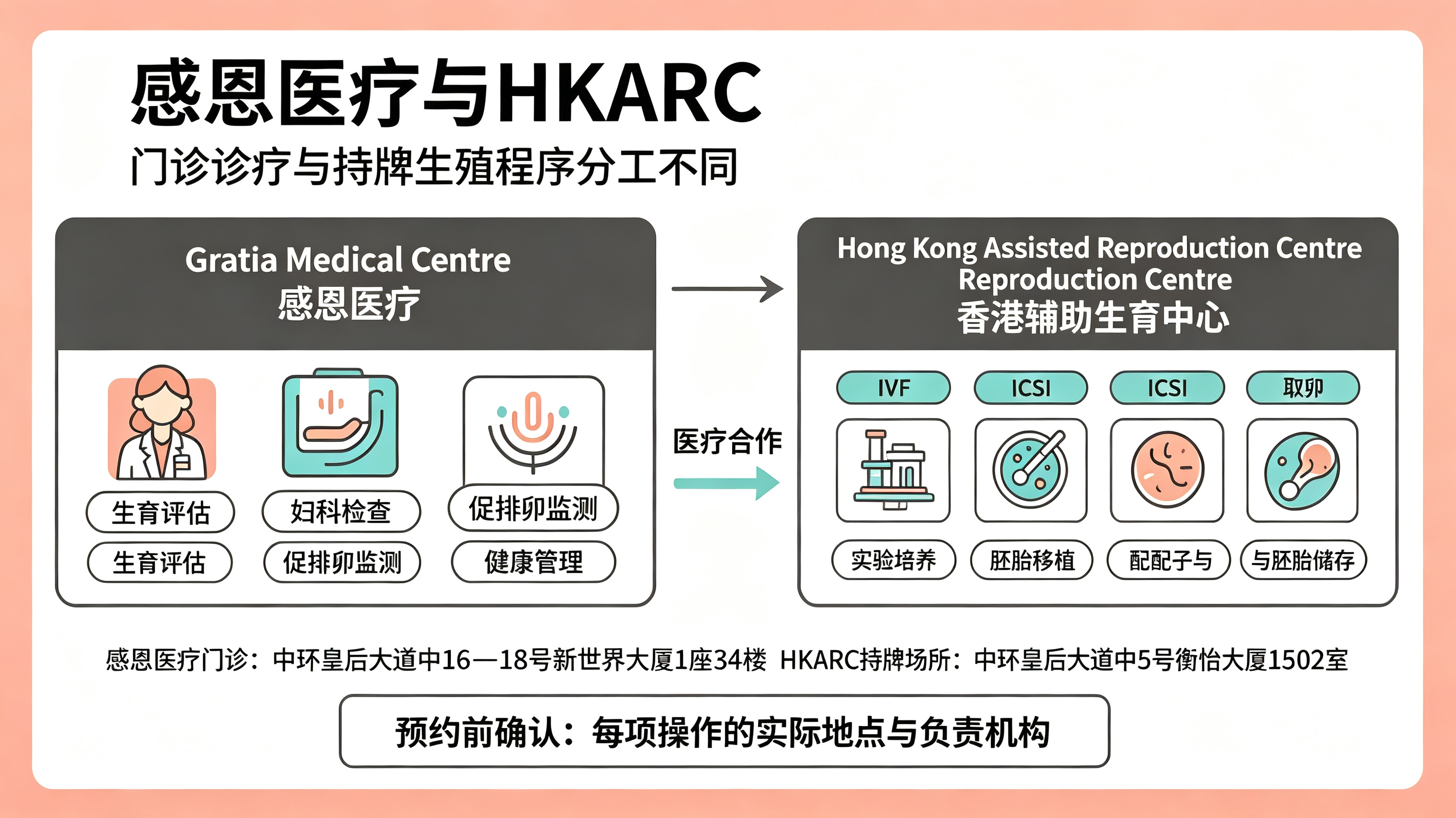
Many patients easily confuse the relationship between Gratitude Medical and the Hong Kong Assisted Reproduction Center (HKARC). While they are affiliated partners, their legal identities, scopes of business, and practice locations are mutually independent and cannot be directly equated.
1. Differences in business division
Gratia Medical Centre: It serves as an outpatient clinic, providing medical services such as fertility assessment, physician consultations, gynecological examinations, ovulation induction monitoring, and health management. It is the primary setting for patients' initial visits and routine follow-ups.
Hong Kong Assisted Reproductive Center (HKARC): A licensed reproductive technology treatment center registered with the Human Reproductive Technology Authority of Hong Kong (CHRT), under license number T5007, responsible for performing core assisted reproductive procedures—including oocyte retrieval, embryo culture, and embryo transfer—within the scope authorized by its license, serving as the primary entity for laboratory and surgical operations.
According to the CHRT list of licensed centers as of June 2026, HKARC’s approved programs include IVF and husband spermArtificial inseminationreproductive technology procedures such as AIH, oocyte retrieval, sperm retrieval, embryo transfer, ICSI, and gamete and embryo cryopreservation in the field of human reproduction...
2. Key Considerations
Address SeparationSince the Gratitude Medical Clinic and HKARC-licensed facilities are located in different buildings, initial consultations, ovarian stimulation monitoring, egg retrieval, and embryo transfer may take place at separate locations; please confirm the actual address and responsible institution for each procedure when making appointments.
PGT Authorization Prompt: Both institutions' official websites mention preimplantation genetic testing (PGT) related services, but the PGT program at this center has not yet been listed as an approved service in the HKARC treatment service authorization schedule published by CHRT. If you wish to undergo PGT treatment, you should request written clarification from the institutionEmbryo biopsyThe implementation site, the actual testing laboratory, the qualifications of the responsible agency, and the corresponding licensing basis must be verified; compliance cannot be confirmed solely based on official website promotions.
III. Core Medical Team: Multidisciplinary Specialist Configuration
The team at Gratitude Medical is centered on specialists in reproductive medicine and obstetrics & gynecology, complemented by professionals from multiple disciplines including surgery, traditional Chinese medicine, psychology, and nutrition, to support interdisciplinary clinical collaboration.
1. Core Specialist
Dr. Chan Chi Wai CarinaSpecialist in Reproductive Medicine and Honorary Clinical Associate Professor in the Department of Obstetrics and Gynaecology, Li Ka Shing Faculty of Medicine, The University of Hong Kong. Holds a Bachelor of Medicine degree from The University of Hong Kong and a Master’s degree in Medical Genetics from The Chinese University of Hong Kong. He is a Fellow of the Royal College of Obstetricians and Gynaecologists (FRCOG) and a Fellow of the Hong Kong College of Physicians and Surgeons (Obstetrics and Gynaecology), with subspecialty accreditation in Reproductive Medicine in both the United Kingdom and Hong Kong. Areas of expertise: Women’s healthDiagnosis and Treatment of Infertility/Reproductive EndocrinologyGenetic counseling, particularly suitable for patients with a family history of genetic diseases or those considering PGT, to assess genetic risks and develop treatment plans.
Dr. Lui Man Wa EllenObstetrician and Gynecologist; Honorary Clinical Assistant Professor in the Department of Obstetrics and Gynaecology, Li Ka Shing Faculty of Medicine, The University of Hong Kong. Holds a MBBS from The University of Hong Kong. Fellow of the Royal College of Obstetricians and Gynaecologists (UK) and Fellow of the Hong Kong College of Physicians and Surgeons (Obstetrics and Gynaecology), with accreditation in Reproductive Medicine. Specializes in infertility assessment and assisted reproductive technology treatments.
Dr. Wong Ho Yan QueenieObstetrician and Gynecologist; Honorary Clinical Assistant Professor in the Department of Obstetrics and Gynaecology, Li Ka Shing Faculty of Medicine, The University of Hong Kong. Possessing specialist qualifications and background equivalent to those of the aforementioned physician, with clinical practice experience in obstetrics, gynecology, and reproductive medicine.
Dr. Cheung WaiObstetrician and Gynecologist, Honorary Clinical Assistant Professor at the University of Hong Kong, involved in routine clinical practice in reproductive medicine and obstetrics & gynecology.
2. Multidisciplinary Support Team
Surgery: Dr. Cheng Yuh Meei (General Surgery Specialist, with additional expertise in Breast Surgery)
Psychology: Hong Chi Man (Registered Counseling Psychologist, Marriage and Family Therapist)
Traditional Chinese Medicine: Dr. Tao Wen (Registered TCM Practitioner, offering acupuncture and TCM conditioning)
Nursing: Wong Yee Ling (Registered Nurse, Registered Midwife)
Nutrition: Violet Man (Registered Dietitian, specializing in fertility and prenatal nutrition management)
Note: A physician’s honorary titles and professional credentials reflect only their academic background and should not be equated with individual clinical success rates or laboratory treatment quality. When making a choice, please consider the specific treatment plan and actual case outcomes comprehensively.
IV. Core Medical Services: A Full-Chain Approach from Fertility Assessment to Assisted Reproductive Technology
Gratitude Medical provides tiered services ranging from basic fertility assessments to advanced assisted reproductive technologies. The scope of all assisted reproduction procedures is strictly governed by the valid license held by its partner licensed center, HKARC.
1. Fertility assessment
Fertility assessment is the foundation for developing an assisted reproductive treatment plan, typically requiring both partners to complete examinations together:
Female Examination: Anti-Müllerian Hormone (AMH), baseline sex hormones, Antral Follicle Count (AFC), pelvic and uterine ultrasound, endometrial assessment, tubal patency tests, etc.
Male Examination:Semen analysisAnalysis (sperm concentration, motility, morphology), with supplementary specialist examination of the male reproductive system if necessary.
Note: AMH and AFC are used solely to assess ovarian reserve function and predict the response to ovulation induction; they cannot independently determine egg quality or the probability of natural conception.
2. Intrauterine Insemination (IUI)
By processing semen and directlyBy processing semen and directlyBy processing semen and directly injecting it into the female uterine cavity, the distance between sperm and egg is shortened, thereby increasing the probability of natural fertilization.
Indications: Mild male factor infertility, unexplained infertility, ovulatory disorders, and couples with sexual intercourse difficulties.
Prerequisites: A comprehensive assessment must consider the female partner's age, tubal patency, ovulatory function, and the male partner's semen parameters. If the female partner has significant tubal blockage or the male partner has severe semen abnormalities, repeated IUI is not the optimal choice.
3. In Vitro Fertilization - Embryo Transfer (IVF-ET)
i.e., the conventionalTest tube baby", is a core procedure in assisted reproductive technology, achieving pregnancy through ovarian stimulation, egg retrieval, in vitro fertilization, embryo culture, and embryo transfer.
Indications: Tubal obstruction or severe damage, severe male factor infertility, endometriosis-related infertility, unexplained infertility, failure of other assisted reproductive techniques, and patients requiring genetic assessment.
Execution details: Gratitude Medical is responsible for protocol formulation and ovulation induction monitoring, egg retrieval, andEmbryology LaboratoryThe operation was completed by the collaborating HKARC.
4. Intracytoplasmic Sperm Injection (ICSI)
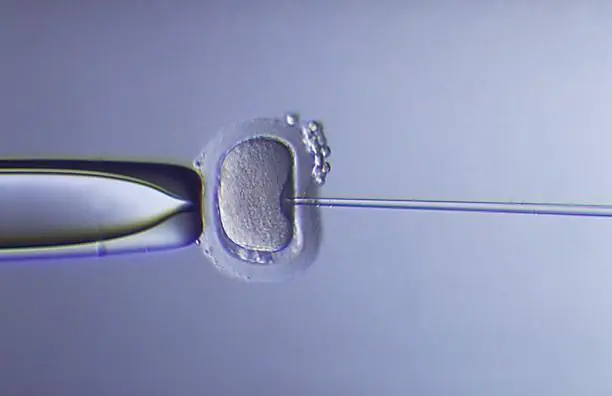
Intracytoplasmic sperm injection (ICSI), in which a single sperm is directly injected into an oocyte via micromanipulation to achieve fertilization, belongs to the second generation of in vitro fertilization (IVF) technology.
Indications: Severe oligozoospermia, asthenozoospermia, or teratozoospermia; patients undergoing surgical sperm retrieval; history of failed fertilization in conventional IVF; and cases where the physician determines that ICSI is required.
Note: ICSI is not suitable for everyone. In the absence of clear indications, it should not be assumed that ICSI is superior to conventional IVF or guaranteed to improve live birth rates.
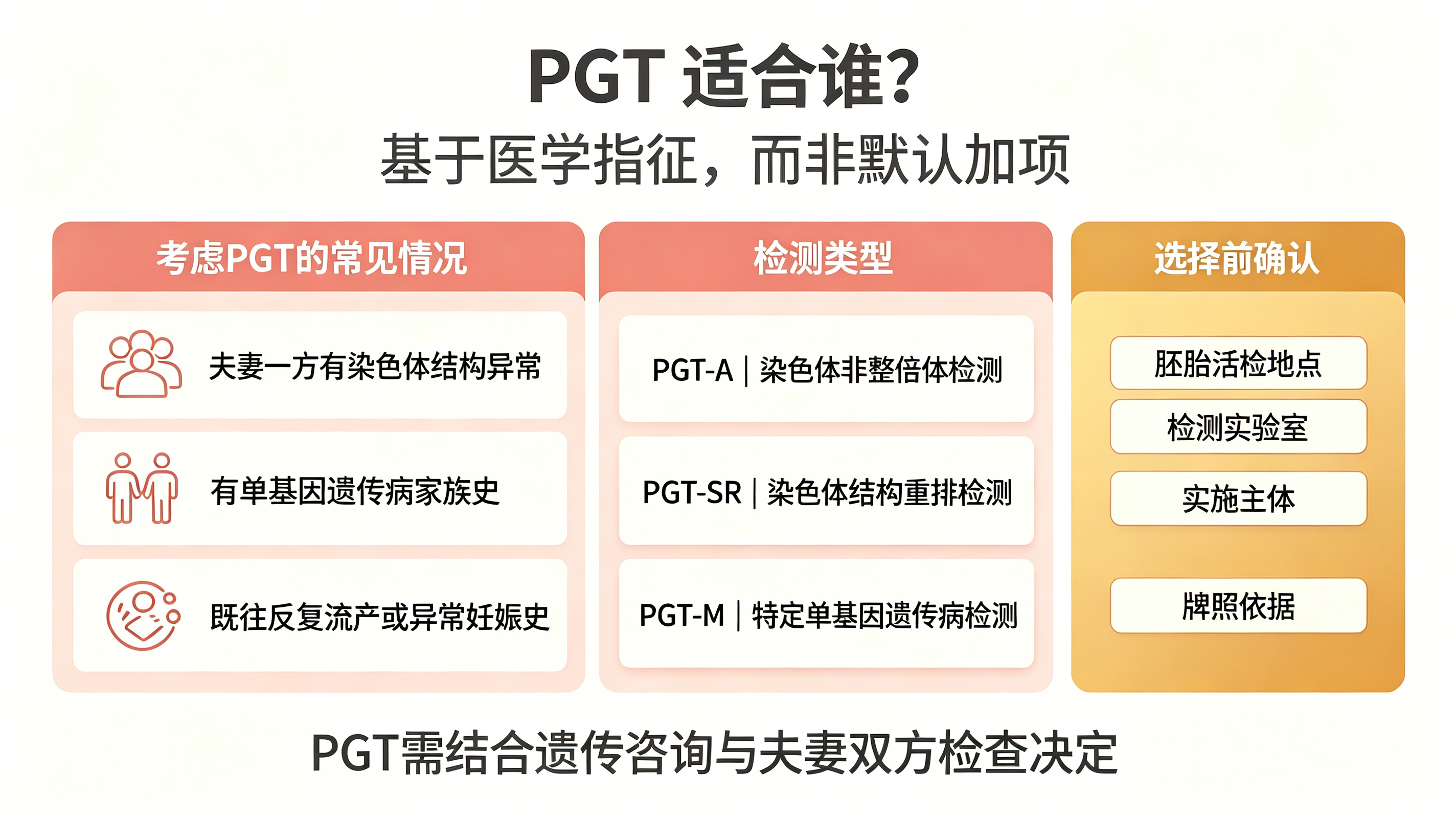
5. Preimplantation Genetic Testing (PGT)
Genetic testing on embryos is divided intoPGT-A(aneuploidy testing), PGT-SR (structural rearrangement testing), and PGT-M (monogenic disease testing).
Applicable scenarios: For patients with clear medical indications only; not a routine add-on in IVF. The decision should be based on genetic testing of both partners, family medical history, and previous pregnancy history.
Compliance Note: As mentioned above, it is necessary to verify in advance the project implementation entity and its licensing qualifications to ensure full compliance throughout the entire process of embryo biopsy and testing.
6. Egg Freezing (Egg Banking)
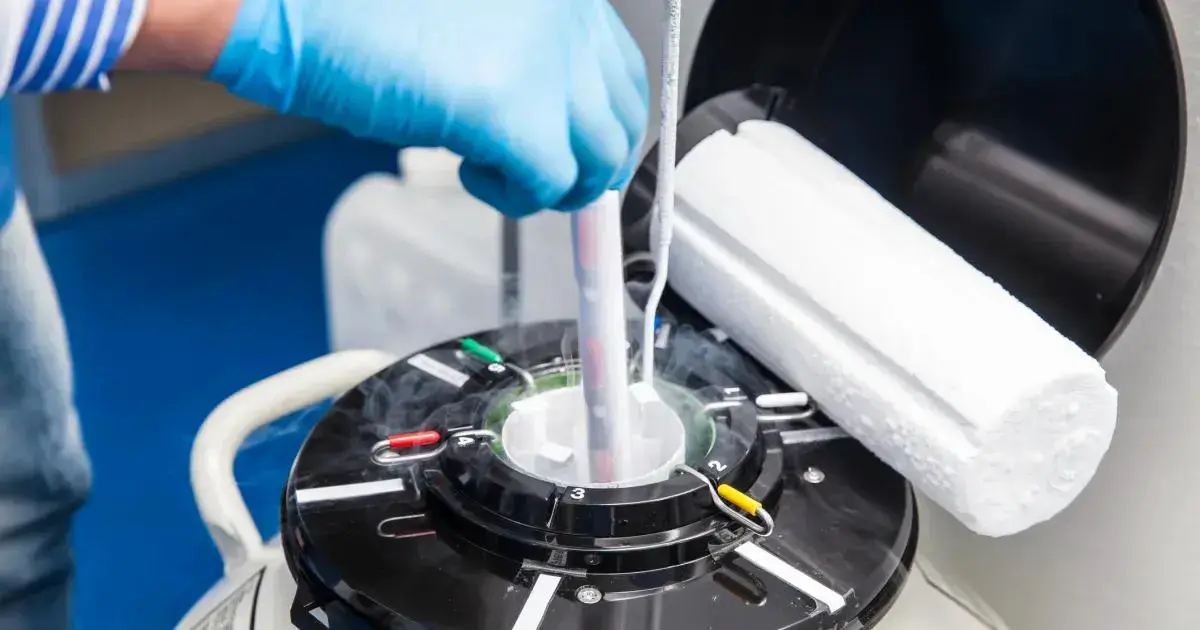
Mature oocytes are preserved via vitrification cryopreservation after superovulation and egg retrieval, for future use in compliance with Hong Kong laws.
Suitable for: Women with no immediate plans for pregnancy who wish to preserve their current fertility; individuals whose fertility may be impaired due to medical reasons such as cancer treatment.
Key consultation points: estimated number of oocytes retrieved per stimulation cycle, actual number of mature oocytes cryopreserved, cryopreservation technical standards, oocyte survival rate after thawing, fertilization and blastocyst formation rates post-thawing, storage renewal policies, and transport conditions.
Rational Cognition:Egg freezingThis preserves only the biological state of the eggs at the time of retrieval and does not guarantee that viable embryos will be obtained or a successful live birth in the future.
7. Supporting Women's Health Services
Beyond reproductive medicine, the institution also provides comprehensive women’s health management:
Table
Service Categories | Core Projects |
|---|---|
Gynecology | Routine gynecological examinations, cervical cancer screening, gynecological surgery, and contraceptive counseling |
Obstetrics | Prenatal check-ups, prenatal ultrasound, Down syndrome screening, GBS screening, and NST monitoring |
Surgery | General surgical consultations, breast examinations, and breast lump biopsy and excision |
Traditional Chinese Medicine | Acupuncture and Traditional Chinese Medicine (TCM) |
Psychological Counseling | Counseling for fertility pressure, marriage, and family relationships |
Nutritional Management | Fertility nutrition, prenatal nutrition, postpartum nutritionPCOSNutritional intervention |
Vaccine | HPV vaccine, hepatitis B vaccine, influenza vaccine, and pertussis vaccine during pregnancy |
Note: Traditional Chinese Medicine, nutritional support, and psychological support are complementary therapies and cannot replace standard diagnosis of infertility and assisted reproductive treatments.
V. Full Process of Standard IVF Treatment
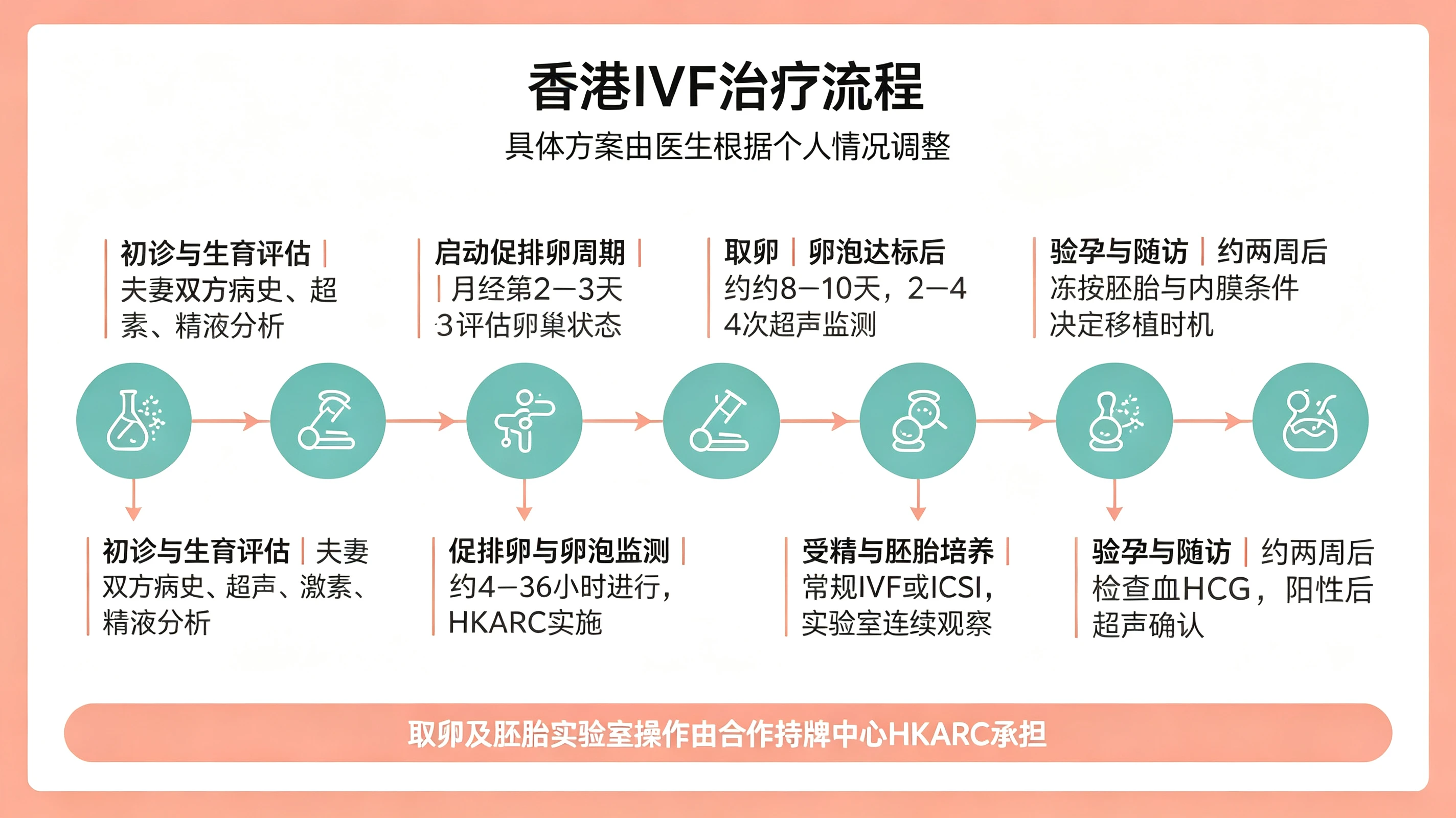
According to the publicly disclosed clinical protocols of Gratitude Medical, a standard IVF cycle consists of the following seven stages. The specific treatment plan and timeline must be adjusted by a doctor based on individual health conditions.
Initial Consultation and Fertility AssessmentThe physician collects medical histories from both partners, including the duration of trying to conceive, previous pregnancy history, and past illnesses. The female undergoes pelvic ultrasound, anti-Müllerian hormone (AMH) testing, baseline reproductive hormone assays, and tubal patency evaluation; the male undergoes semen analysis to determine the cause of infertility and guide treatment decisions.
Ovulation induction cycle initiatedOvarian baseline status is typically assessed by ultrasound on days 2–3 of the menstrual cycle. Once eligibility for stimulation is confirmed, the physician develops a personalized ovarian stimulation protocol based on ovarian reserve, age, and previous treatment response.
Ovulation Induction and Follicle MonitoringThe ovarian stimulation cycle lasts approximately 8–10 days, during which 2–4 ultrasound examinations are scheduled to monitor follicular development, with concurrent blood tests for hormone levels as needed. Some patients require the use of antagonists to prevent premature ovulation.
Oocyte retrieval procedureAfter follicular development reaches the target criteria, an ovulation trigger injection is administered. Egg retrieval is performed approximately 34–36 hours later. The procedure can be conducted under local anesthesia or monitored anesthesia care, lasts about 30–45 minutes, and requires post-operative hospital observation. Egg retrieval procedures are carried out at HKARC facilities.
Fertilization and Embryo CultureOn the day of egg retrieval, the male partner provides a semen sample, and fertilization is performed via conventional IVF or ICSI based on both partners' conditions; the embryology laboratory conducts fertilization assessment and subsequent embryo culture.
Embryo transfer or cryopreservationEmbryo transfer can be performed on day 2, day 3, or day 5, depending on embryonic development and endometrial conditions. If there is a risk of ovarian hyperstimulation syndrome, suboptimal endometrial conditions, or other medical indications, elective full embryo cryopreservation may be recommended, followed by frozen-thawed embryo transfer after the patient’s physical recovery. The number of embryos transferred must comply with medical assessments and Hong Kong regulatory requirements; increasing the number of embryos solely to boost pregnancy rates is not permitted.
Pregnancy Testing and Follow-upApproximately two weeks after egg retrieval, a blood HCG test is performed to confirm pregnancy. If the result is positive, subsequent ultrasound examinations are conducted to verify the location of the gestational sac and assess embryonic development, completing early pregnancy follow-up.
VI. IVF Success Rates and Laboratory Data: Rational Interpretation to Avoid Misconceptions
The official website of Gratitude Medical has disclosed some IVF-related data. Below is an objective interpretation and reference recommendations:
Table
Metrics | Public Data of the Institution |
|---|---|
Pregnancy rate per IVF cycle | Approximately 30%–40% |
Fertilization rate of oocytes | Approximately 70% |
Cleavage rate of fertilized eggs | Approximately 90% |
Note: The above data is self-reported by the institution and does not represent independently audited clinical results. Please take this into account when referring to these figures.
1. "Pregnancy rate" is not equal to "live birth rate".
The “pregnancy rate” published on the official website does not specify its statistical criteria (biochemical pregnancy vs. clinical pregnancy) and therefore cannot be directly equated with the final live birth rate. We recommend requesting the following detailed breakdown of data from the clinic during your consultation:
Clinical pregnancy rate per oocyte retrieval cycle
Clinical pregnancy rate per embryo transfer cycle
Live birth rate per oocyte retrieval cycle
Cumulative Live Birth Rate
Treatment outcomes by age group
2. Age-stratified data is more informative than overall data.
Female age is a core factor influencing IVF outcomes, and overall success rates have limited relevance for individual patients. It is recommended to focus on live birth data for the following age groups:
Under 35 years old
35–37 years old
38–40 years old
For women aged 41–42 and older, it is also necessary to verify whether the data distinguishes between autologous/donor oocytes and fresh/frozen embryos, as well as the different statistical metrics of “per oocyte retrieval cycle” versus “per embryo transfer cycle.”
3. Laboratory indicators should not be used in isolation to assess levels.
A 70% fertilization rate and a 90% cleavage rate only reflect basic laboratory processes and are insufficient for a comprehensive evaluation of laboratory quality. It is recommended to further investigate:
Is the denominator for fertilization rate mature oocytes or all retrieved oocytes?
Is normal fertilization defined as 2PN for statistical purposes?
Day 3 High-Quality Embryo Formation Rate and Blastocyst Formation Rate
Survival rate of thawed frozen embryos
Embryo Culture Outcomes Across Different Age Groups
For the patient,Cumulative live birth rate per egg retrieval cycle across all available embryos, far more practically valuable than any single laboratory indicator.
VII. Hong Kong's Regulatory Framework for Assisted Reproductive Technology: Legal Boundaries You Must Know
Assisted reproductive technology in Hong Kong is regulated by the Human Reproductive Technology Ordinance (Cap. 561) and the Code of Practice on Assisted Reproductive Technologies and Embryo Research, with licensing administered by the Human Reproductive Technology Authority (CHRT). The following core rules must be clarified before seeking treatment in Hong Kong.
1. Restrictions on marital status
Under Article 15 of the Regulations, routine assisted reproductive technology procedures are available only to married couples, with the sole exception being the individual retrieval of gametes (egg or sperm).
Unmarried women may, in accordance with the law, receive egg retrieval and oocyte cryopreservation services.
However, when using frozen eggs for IVF treatment in the future, marital status requirements must still be met. It is recommended to fully understand the legal conditions governing future use before egg freezing, so as to avoid focusing solely on the current egg retrieval while overlooking subsequent treatment restrictions.
2. Restrictions on Embryo Sex Selection
Hong Kong strictly prohibits the selection of embryo sex for non-medical reasons. Exceptions are permitted only to prevent specific serious sex-linked genetic disorders, subject to compliance with medical certification requirements. Consequently, technologies such as PGT-A cannot be used for sex selection for non-medical purposes.
3. New Regulations on the Storage Duration of Gametes and Embryos
Effective December 1, 2025, Hong Kong officially implements the revised regulations.Abolish the statutory maximum storage period for self-use gametes and embryos, no longer enforcing the original 10-year cap; individuals may decide the storage duration based on their own circumstances. The Hong Kong Government's ...
Supporting Requirements: After five years of storage for self-use gametes/embryos, if an extension is required, the individual must undergo additional counseling in accordance with the Practice Code (covering topics such as risks associated with advanced maternal age and declining fertility), sign a written consent form, and each renewal period shall not exceed two years. Hong Kong Special Administrative Region...
Note: The "10-Year Egg Freezing Plan" displayed on the institution's official website is a commercial service package, not a mandatory maximum limit prescribed by current laws. Storage contracts, annual fees, renewal rules, and procedures for handling expiration are all subject to the written agreement with the institution.
4. Gamete Donation and Third-Party Assisted Reproduction
Hong Kong has strict legal regulations governing sperm donation, egg donation, embryo donation, and surrogacy. When using donated gametes, it is essential to verify in advance the legality of the donor source, the screening records of donors, the scope of licenses held by implementing institutions, eligibility criteria for treatment, and legal issues concerning parentage. Operational models from other countries or regions cannot be directly applied.
8. Treatment Costs and Budget Planning
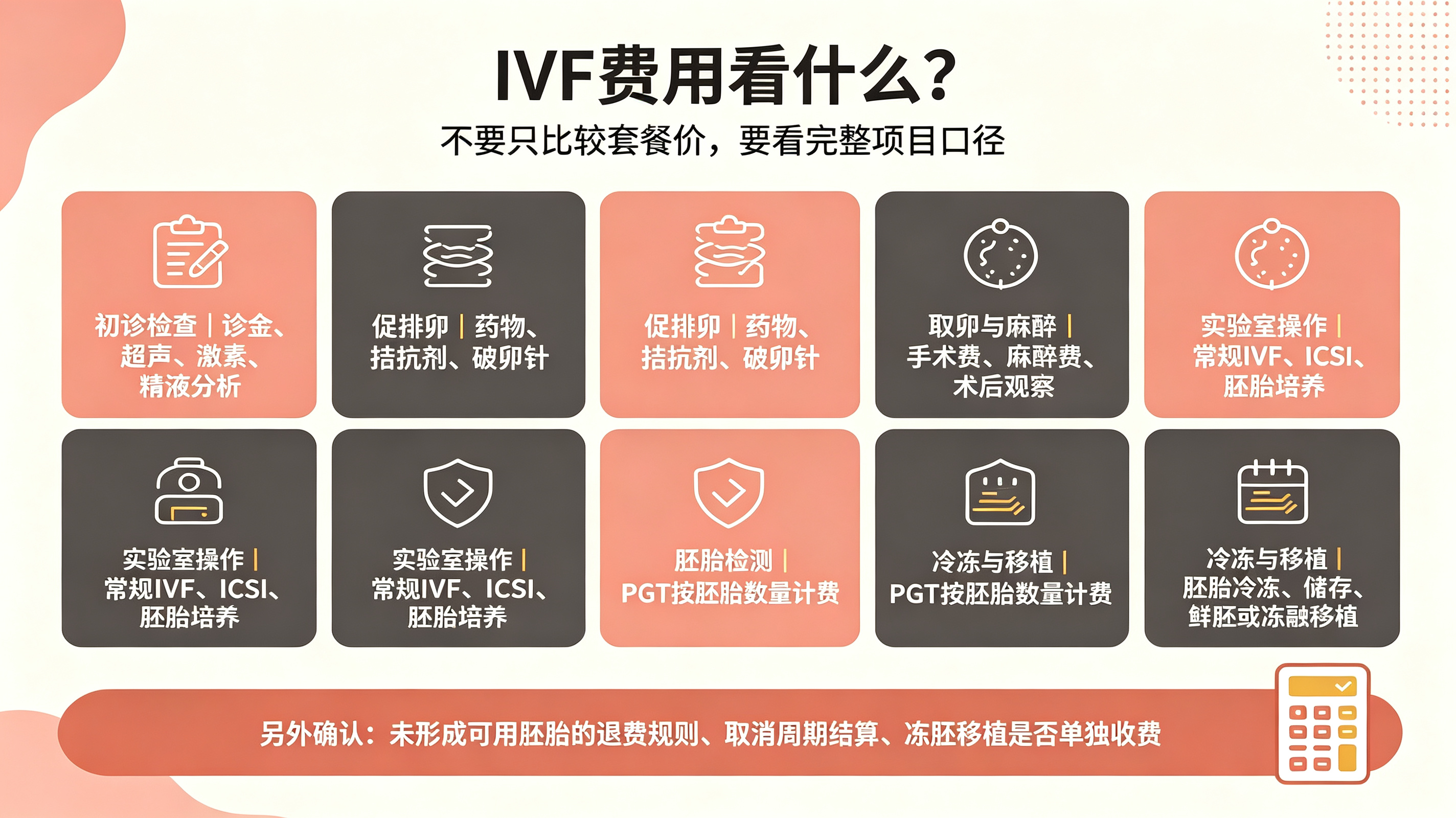
The cost of assisted reproductive technology varies significantly depending on the treatment protocol, medications, and additional procedures. It is not advisable to base your budget solely on advertised package prices. We recommend requesting a comprehensive written quotation from the clinic and carefully reviewing the following cost components.
Table
Expense Category | Includes project |
|---|---|
Initial Examination | Doctor's consultation fees, ultrasound examinations, hormone tests, semen analysis, etc. |
Ovulation induction | Ovulation induction medications, antagonists, trigger shots, etc. |
Egg retrieval | Surgery fee, anesthesia fee, and postoperative observation fee |
Laboratory Operations | Sperm processing, conventional IVF/ICSI, embryo culture |
Embryo testing | PGT biopsy and testing fees (if applicable, typically charged per embryo) |
Embryo transfer | Cost of fresh embryo transfer or frozen-thawed embryo transfer |
Frozen storage | Egg / Sperm / Embryo Freezing Fees, Annual Storage Fees |
Follow-up | Additional medication, follow-up visit, and pregnancy monitoring fees |
Key Issues to Confirm Before Signing
Are ovulation-inducing medications included in the package, and how are excess charges billed?
Are egg retrieval procedures and anesthesia billed separately?
Are there price differences between IVF and ICSI?
Does PGT charge by the number of embryos, and which testing steps are included?
Fee schedule for embryo cryopreservation and annual storage;
When no viable embryos are formed, which fees are refundable;
Settlement rules for cycle cancellation and transplant cancellation;
Is frozen embryo transfer billed separately, and what services does it include?
In addition, the costs of round-trip transportation to and from Hong Kong, accommodation, and time spent on multiple follow-up visits should also be factored into the overall budget.
9. Visit Information: Address, Contact Details, and Business Hours
1. Venue Address
Gratitude Medical (Main Outpatient Clinic Address)34th Floor, Tower 1, New World Building, 16–18 Queen's Road Central, Central, Hong Kong
Hong Kong Assisted Reproduction Centre (HKARC, licensed operating point)Room 1502, Hang Yi Building, 5 Queen's Road Central, Central District, Hong Kong
2. Contact Information
Table
Institution | Telephone | Official Website | ||
|---|---|---|---|---|
Grateful Healthcare | +852 2117 3033 | +852 9018 8248 | ||
HKARC | +852 2117 3855 | +852 9018 8248 |
3. Business Hours
Grateful HealthcareMonday to Friday: 09:00–14:00 and 15:00–18:00; Saturday: 09:30–13:30; Closed on Sundays and public holidays
HKARCMonday to Friday: 08:00–17:00; Saturday: 08:00–12:00; Closed on Sundays and public holidays
The two institutions have different business hours; please confirm the corresponding time slots separately when booking different services.
X. Target Audience: Who Is More Suitable for Choosing Gratitude Medical?
Couples undergoing initial infertility evaluationIndividuals who require a comprehensive fertility assessment and clear identification of the causes of infertility before deciding whether to undergo assisted reproductive treatment may prioritize its comprehensive outpatient services.
Couples with a clear need for IVF: If there are IVF indications such as tubal issues or male factor infertility, you can learn more about their collaborative treatment model with HKARC and confirm the attending physician and the facility where procedures are performed.
Women with egg freezing needsWomen who wish to preserve their current fertility may consult about egg freezing services, but they should be aware in advance of the marital restrictions and storage regulations governing the subsequent use of frozen eggs in Hong Kong.
Women preparing for pregnancy who also have gynecological issues: For conditions such as polycystic ovary syndrome and endometriosis, multidisciplinary services integrating reproductive medicine, gynecology, nutrition, and psychology can reduce the costs of cross-institutional care.
Families in need of genetic counselingIndividuals with a family history of monogenic disorders or chromosomal abnormalities may undergo genetic assessment first, but the compliance implementation pathway for PGT programs must be additionally verified.
XI. Essential Pre-Appointment Checklist: 10 Core Verification Items
When choosing an assisted reproductive technology clinic, do not rely solely on comparing technical services and advertised success rates. It is recommended to prioritize verifying the following core factors.
Licensed EntityWhich institution will perform my IVF, egg retrieval, and embryo culture? What is the corresponding license number?
Place of visitAt which addresses are the initial consultation, ovulation induction monitoring, egg retrieval, embryo culture, and embryo transfer performed?
Medical liabilityWhich doctor is fully responsible for the ovarian stimulation protocol, egg retrieval, embryo transfer, and post-pregnancy follow-up?
PGT ComplianceWho performs the embryo biopsy? Where is the testing laboratory located? Does it hold the corresponding licenses and authorizations?
Success Rate DataCan you provide the clinical pregnancy rate and cumulative live birth rate stratified by female age? What are the statistical definitions used?
Laboratory QualityCan you provide specific data and statistical standards for normal fertilization rates, blastocyst formation rates, and survival rates of frozen-thawed embryos?
Total CostCan you provide a detailed breakdown of all fees, including those for medication, surgery, anesthesia, laboratory tests, cryotherapy, and transplantation?
Exception HandlingWho is responsible for managing ovarian hyperstimulation, embryo culture failure, or pregnancy complications? Are there referral and emergency protocols in place?
Storage RulesWhat are the storage duration, annual fee standards, renewal procedures, and expiration handling methods for gametes/embryos?
Legal adaptation: Do my marital status and treatment needs comply with the relevant legal provisions of Hong Kong?
Among these, the licensed entity, operation location, PGT authorization, and age-stratified live birth rate are the four core items that should be prioritized for confirmation.
XII. Comprehensive Evaluation and Selection Recommendations
Gratitude Medical is a mature institution in the Hong Kong market that offers both reproductive medicine specialties and comprehensive women’s health services. Leveraging its affiliation with the Jinxin Reproductive Group, it provides assisted reproductive treatments through collaboration with HKARC, a licensed center, and overall exhibits the following characteristics:
Core Advantages
Full-Cycle Women's Health ServicesIt integrates reproductive medicine with gynecology, obstetrics, surgery, traditional Chinese medicine, and psychological and nutritional services, making it suitable for patients requiring multidisciplinary health management.
Specialist Medical Team StaffingAll core physicians hold Hong Kong specialist qualifications and accreditation in reproductive medicine, with some members possessing academic backgrounds from universities and expertise in genetic counseling.
Compliance-licensed partnership systemCore assisted reproductive procedures are performed by HKARC, a CHRT-registered licensed center, and the basic clinical workflow complies with Hong Kong regulatory requirements.
Improvement of fertility preservation services: We provide egg, sperm, and embryo freezing services to meet the fertility preservation needs of diverse individuals.
Key items to focus on
Clearly define the division of legal entities between Gratitude Medical and HKARC, as well as the attribution of medical liability at different stages of treatment;
For PGT projects, the implementing entity and licensing basis must be additionally verified to avoid making decisions based solely on official website promotions.
Success rate data should request age-stratified live birth rates, rather than relying solely on overall pregnancy rates;
The contract term, fee structure, and renewal rules for egg/embryo storage shall be governed by the written agreement.
Confirm the visit locations for different treatment stages to avoid increasing travel costs due to separated facilities.
Overall, Kam Yan Medical can serve as one of the alternative options among assisted reproductive clinics in Hong Kong, particularly suitable for patients who wish to combine fertility treatment with comprehensive women’s health management. However, it is not advisable to make treatment decisions based solely on a clinic’s corporate background, physicians’ titles, or advertised success rates. The core criteria for selecting an assisted reproduction provider lie in whether the medical team can accurately diagnose underlying causes, whether the treatment plan aligns with the individual patient’s physical condition, whether each procedure has legitimate legal grounds, and whether clinical outcomes and costs are transparent. A personalized treatment plan that suits your specific needs is far more important than pursuing the quantity of technological offerings or paper-based success rates.
Photos and videos
View all 7 photos
Business Highlights
Core Advantages
Facilities
More
Official Website of Gratia Medical Centre
Gratia Medical Centre – Medical Team
Gratia Medical Centre – Introduction to IVF Treatment
Official Website of the Hong Kong Assisted Reproduction Centre
Hong Kong Authority for Reproductive Technology – Current Code of Practice and Announcements
Hong Kong Reproductive Technology Authority – Frequently Asked Questions for Patients
Hong Kong Electronic Legislation – Human Reproductive Technology Ordinance (Cap. 561)
Frequently Asked Questions
The content on this website is general educational material and compiled public information about IVF. It is provided for reference only, does not constitute a basis for diagnosis or medical decision-making, and does not constitute any medical advice or treatment recommendation. For policy and technical requirements, please refer to official publications issued by the relevant authorities and institutions. If you find any content errors, numerical inconsistencies, or outdated information, please contact us so we can verify and update it.