


I. Institutional Overview and Qualification Background
Boten Huishi Reproductive HospitalAlso known asHuishi DOC HospitalFormerly known as the International Lao Reproductive Genetics Specialist Hospital, it is a high-end specialist hospital for assisted reproductive technology and genetics approved by the Lao Ministry of Health, and the first international medical institution to have officially signed an agreement to settle in the Boten Special Economic Zone.
Development History
In April 2019, the hospital was approved for establishment by the Lao National Ministry of Health.
Officially opened for business on January 1, 2020.
In April 2026, a formal cooperation agreement was signed with the Management Committee of the Boten Special Economic Zone in Laos, making it the first international medical institution to sign and settle in the special economic zone.
Venue and Scale
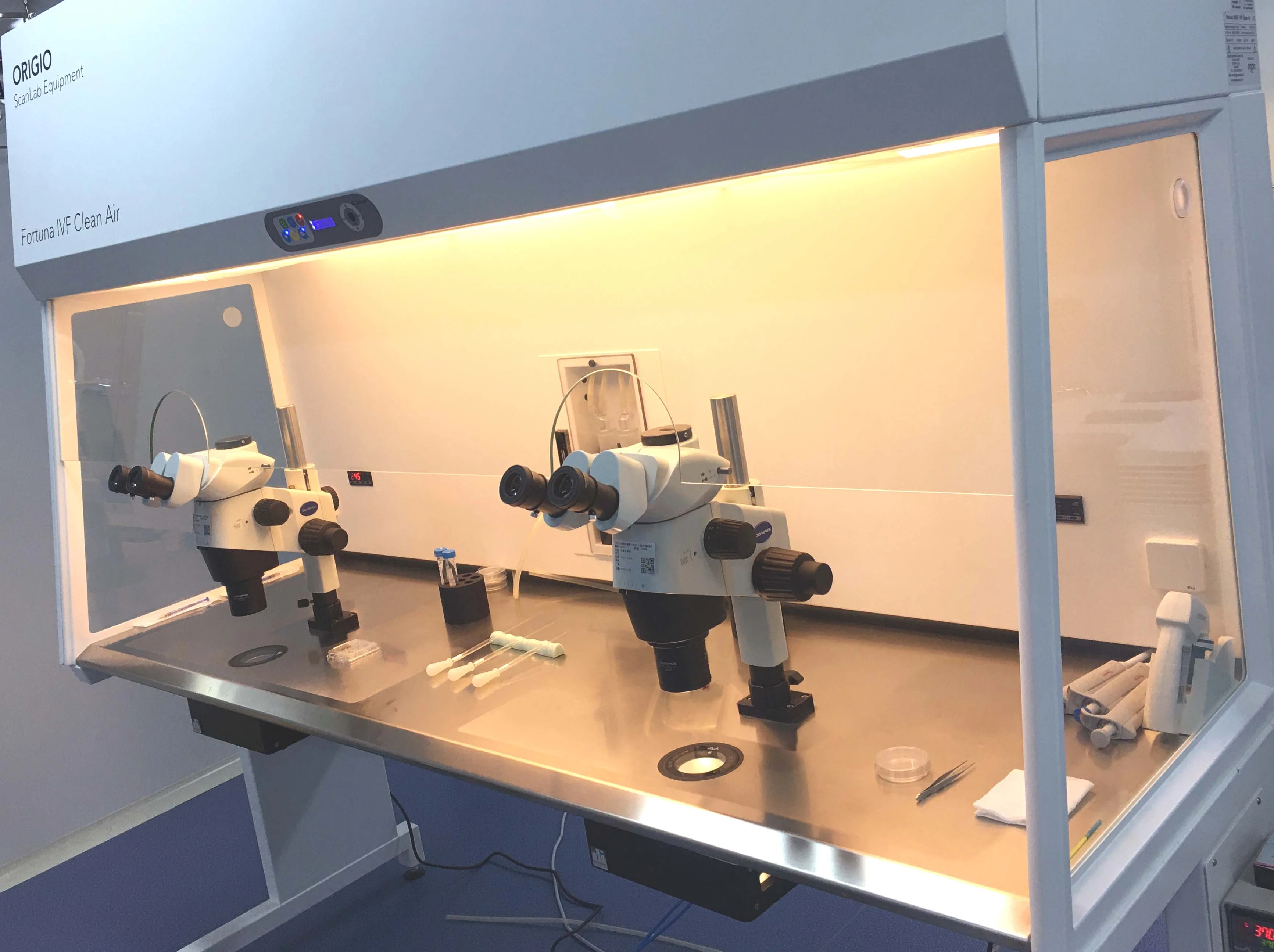
The building area of the Phase I Treatment Center of the hospital is nearly 4,000 square meters, with supporting laminar flow facilitiesEmbryology LaboratoryIn collaboration with the Reproductive Genetics Laboratory, which covers a total area of approximately 1,100 square meters and has established a quality management system in accordance with U.S. reproductive medicine center standards, we provide assisted reproductive diagnosis, treatment, and consultation services to infertile families worldwide.
The hospital is located in Building B7 of the Financial Center in the Boten Special Economic Zone, Laos. It is situated adjacent to the border with Yunnan Province, China, and can be accessed via the Mohan border checkpoint. Since the opening of the China-Laos Railway, cross-border transportation has become significantly more convenient.

II. Core Diagnostic and Treatment Services
The hospital focuses on assisted reproductive technology as its core business, covering routine fertility treatments, genetic testing, andFertility PreservationThree Major Categories of Services:
Conventional assisted reproductive technologies
In vitro fertilization - embryo transfer (IVF-ET, first generationTest tube baby)
Intracytoplasmic sperm injection (ICSI, second-generation IVF) is indicated for male-factor infertility scenarios such as severe oligoasthenozoospermia, prior IVF fertilization failure, and cases requiring the use of frozen sperm.
Embryo genetic testing
Preimplantation Genetic Screening and Diagnosis (PGT, third-generation IVF), including preimplantation genetic testing for aneuploidy (PGT-A) and monogenic disorders, suitable for individuals of advanced maternal age, those with repeated implantation failure or recurrent pregnancy loss, and those at risk for single-gene hereditary diseases
Fertility Preservation and Derived Technologies
Embryo vitrification, frozen-thawed embryo transfer (FET), and assisted hatching (AH)
Fertility preservation services, such as egg and sperm freezing, are suitable for individuals who need to postpone their family planning.
Basic medical services
Comprehensive infertility assessment, including reproductive endocrine testing, AMH testing, transvaginal ultrasound, semen analysis, and other fertility evaluation items.

III. Medical Facilities and Technology Platforms
The hospital has established two major technology platforms: embryo culture and cytogenetic/molecular genetic diagnosis. It has publicly introduced several mainstream international reproductive genetics devices, including:
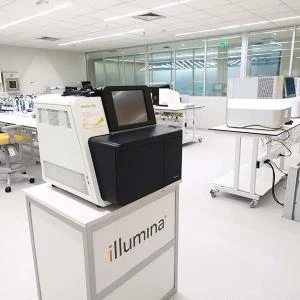
Genetic Testing: Illumina High-Throughput Sequencers (USA), Roche Immunoassay Analyzers
Embryo Manipulation: NARISHIGE Micromanipulation System (Japan), RI Laser Assisted Hatching System (UK), IVFtech Embryo Culture Workstation (Denmark)
Leveraging the aforementioned equipment, the hospital can offer services including high-throughput next-generation sequencing (NGS), high-resolution karyotype analysis, and single-gene disease testing. According to the hospital, its affiliated genetic sequencing laboratory is one of the earliest professional labs in Laos to conduct preimplantation genetic testing for third-generation IVF, and it accepts genetic testing samples from other institutions within the region.
IV. Medical Team and Technical Collaboration
The hospital's medical team covers multiple specialties, including reproductive endocrinology, embryology, genetics, and anesthesiology:
The core experts and leaders have over 20 years of professional experience, including nearly 10 domestic and international specialists in reproductive medicine and more than a dozen professionals in cell and molecular genetics.
The team of embryologists has an average of over 15 years of professional experience, with extensive expertise in embryo culture and manipulation.
Meanwhile, the hospital has established long-term technical collaborations with reproductive genetics experts from countries including the United States and Australia, inviting international scholars to participate in technical guidance, treatment plan development, and academic exchanges, thereby aligning with cutting-edge global concepts in assisted reproductive technology.
V. Cross-Border Services and Medical Treatment Process
(1) Full-cycle cross-border services
Targeting an international clientele primarily composed of Chinese patients, the hospital has established its operational center in Kunming, China, with offices in multiple cities across the country. A dedicated medical coordinator is assigned to each patient to provide end-to-end coordination services:
Pre-arrival: Consultation and Q&A, appointment scheduling, visa assistance, flight and hotel booking, airport transfers
Visit Period: Full-process Chinese-speaking medical escort, appointment guidance, and coordination of daily life arrangements in Boten
Postoperative: Pregnancy verification follow-up, prenatal guidance, and coordination for subsequent medical care
(2) Standard Clinical Workflow
Online Consultation Appointment: Submit inquiries through official channels; a medical consultant will address your needs and assist in scheduling the initial consultation (recommended during days 2–4 of the menstrual cycle to facilitate baseline hormone testing).
Comprehensive Fertility Assessment: Complete tests including the six sex hormones, AMH, transvaginal ultrasound, and semen analysis to identify the causes of infertility and assess physical conditions
Customized Treatment PlansBased on the assessment results, physicians develop individualized ovarian stimulation and treatment plans by taking into account age, ovarian reserve, and the underlying causes of infertility.
Surrogacy Cycle Execution: Ovulation induction monitoring → Egg and sperm retrieval → In vitro fertilization (IVF/ICSI) → Embryo culture → PGT testing (optional as needed) → Embryo transfer
Pregnancy Testing and Follow-upPregnancy tests will be conducted at the prescribed intervals after transplantation, followed by ongoing prenatal monitoring guidance and health consultations.
6. Clinical Outcomes and Cost Description
(1) Explanation of Clinical Pregnancy Rate
According to data officially released by the hospital, patients of appropriate age with normal ovarian function and a favorable uterine environment can achieve clinical pregnancy rates exceeding 70%.
Important Note: The data are self-reported by medical institutions and have not yet been independently audited or verified by authoritative third-party organizations. Clinical success rates in assisted reproductive technology (ART) are highly dependent on individual factors such as the patient’s age, ovarian reserve, underlying medical conditions, and causes of infertility. Treatment outcomes vary significantly across different populations; therefore, specific results should be determined based on personalized clinical assessments.
(2) Cost Reference
The hospital offers various treatment packages, including second-generation IVF (ICSI) and third-generation IVF (PGT). These packages typically cover fertility assessment, ovarian stimulation, egg retrieval, embryo culture, and embryo transfer. Third-generation IVF packages additionally include PGT genetic testing. Currently, there is no publicly available standardized fee schedule; final treatment costs may vary based on individual factors such as medication protocols, diagnostic tests, technology choices, and the number of treatment cycles. It is recommended to contact official channels for a personalized cost estimate.
7. Local Healthcare Policy Environment
The Boten Special Economic Zone in Laos is a special economic area located on the China-Laos border, where regulatory rules for assisted reproductive medicine differ from those in mainland China. Under local medical regulations in Laos, preimplantation genetic testing (PGT) and related technologies can be legally performed in this zone, provided that such activities comply with the supervisory requirements of the local health authorities.
8. Medical Risks and Compliance Guidelines
1. Legal and Ethical Compliance Risks
China’s Administrative Measures on Human Assisted Reproductive Technology explicitly stipulate that medical institutions shall not implement any form of surrogacy technology. The Provisions on Prohibiting Non-Medically Necessary Fetal Sex Identification and Selective Abortion based on Sex prohibit non-medically necessary fetal sex identification and embryo sex selection. Cross-border participation in sex selection for non-medical purposes, as well as involvement in any stages related to surrogacy, violates Chinese laws and ethical norms and entails corresponding legal risks.
2. Risks in Medical Rights Protection
The medical activities of overseas healthcare institutions are subject to the supervision and regulation of local health authorities and governed by the applicable legal systems. In the event of medical disputes, diagnostic or treatment errors, or accidents, there are no direct channels for regulatory oversight or rights protection within China. Cross-border evidence collection and accountability entail significant time and economic costs.
3. Risk of Variability in Treatment Efficacy
The success rates and treatment outcomes publicly disclosed by the institution are self-reported data, lacking verification from independent third-party authorities. Assisted reproductive technology results vary significantly among individuals; please do not predict your own treatment outcomes based solely on promotional data.
4. Cross-border process risks
Cross-border medical care involves multiple steps, including immigration and exit-entry procedures, settlement of medical expenses, and coordination with domestic follow-up visits after surgery. Potential issues may arise, such as poor process integration, opaque fee structures, and gaps in subsequent domestic medical care. Please thoroughly verify all relevant details before seeking treatment and make decisions with caution.
Photos and videos
View all 4 photos
Business Highlights
Core Advantages
Facilities
More
Frequently Asked Questions
The content on this website is general educational material and compiled public information about IVF. It is provided for reference only, does not constitute a basis for diagnosis or medical decision-making, and does not constitute any medical advice or treatment recommendation. For policy and technical requirements, please refer to official publications issued by the relevant authorities and institutions. If you find any content errors, numerical inconsistencies, or outdated information, please contact us so we can verify and update it.