


This article cross-validates publicly available information from the group’s official website, international certification systems, and local regulatory rules to objectively present institutional qualifications, technical capabilities, costs, and risks. It contains no commercial promotion and serves as a reference for decision-making in cross-border IVF treatment.
【Core Snapshot · Key Information in 30 Seconds】
Institutional PositioningA leading listed reproductive healthcare group in Southeast Asia and Malaysia’s first publicly traded fertility specialist group (listed on Bursa Malaysia’s ACE Market, stock code 0303), holding RTAC international accreditation for assisted reproductive technology. Its flagship hospital is located in Kuala Lumpur, Malaysia, with a multi-country chain presence across Singapore, Malaysia, Indonesia, and the Philippines, focusing on technological innovation and treatment of complex cases.
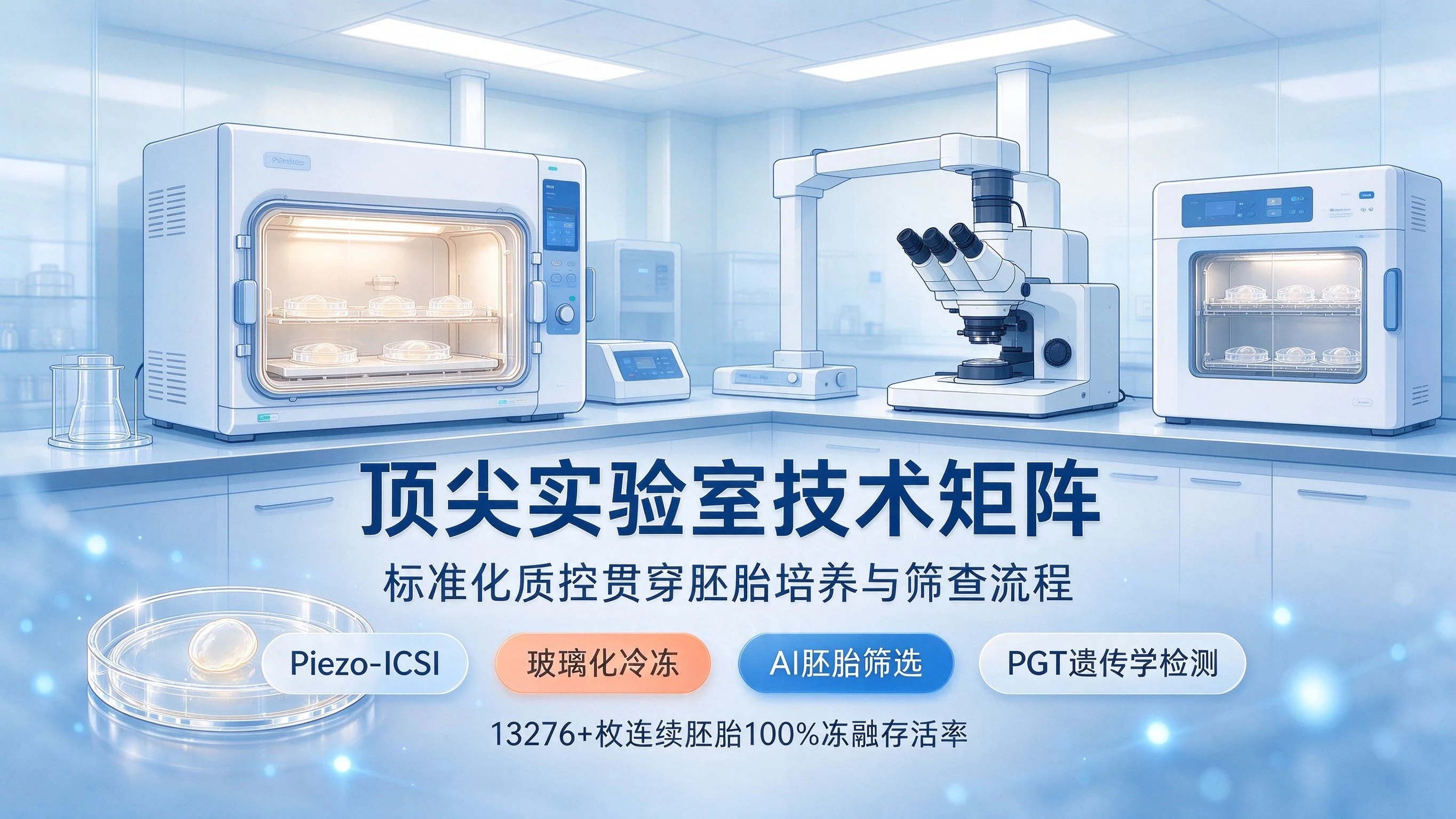
Core Advantages: Standard inclusion of Piezo-ICSI throughout the entire treatment cycle, 100% freeze-thaw survival rate for over 13,276 embryos (certified by Malaysia Book of Records), AI-assisted embryo selection, and a standardized quality control system across the entire group; advanced maternal age,Recurrent implantation failureOutstanding ability to handle complex cases such as diminished ovarian reserve
Best-fit audience: 35 years old and above, using own eggsRecurrent transplant failurePatients requiring PGT genetic screening, those seeking top-tier laboratory technologies, and individuals from Southeast Asian regions who prefer mature cross-border medical services
Core Risk Warning: Malaysia has imposed a comprehensive ban on commercial surrogacy, and the Group does not offer related services; fees are customized on an individual basis with no publicly available standard pricing; the full-process IVF center in Bali, Indonesia, has not yet been officially launched, so advanced treatments currently still need to be conducted at the Group's headquarters in Malaysia.
I. Basic Overview of the Organization
Development History and Qualifications
Alpha IVF& Women's Specialists, formerly known as Alpha Fertility Centre, is part of Malaysia’s Alpha IVF Group Berhad. It was founded by Dato’ Dr. Colin Lee Soon Soo, who has over 30 years of experience in reproductive medicine. The group began its operations in 1994, and the specialty brand was formally established in 2011.
Core Qualifications: Officially certified by the Reproductive Technology Accreditation Committee (RTAC) of Australia (Certification No. 1028), making it one of the few reproductive institutions in Southeast Asia to meet this international standard; selected for the Elite Medical Institutions list of the Malaysia Healthcare Travel Council (MHTC), and officially recommended as a key provider for medical tourism-related reproductive services
Listing Governance: Officially listed on the ACE Market of Bursa Malaysia in March 2024 (Stock Code: 0303), it is Malaysia's first publicly listed fertility specialist medical group. Its clinical operations and financial billing are subject to public listing regulations, ensuring higher governance standards and transparency compared to ordinary private clinics.
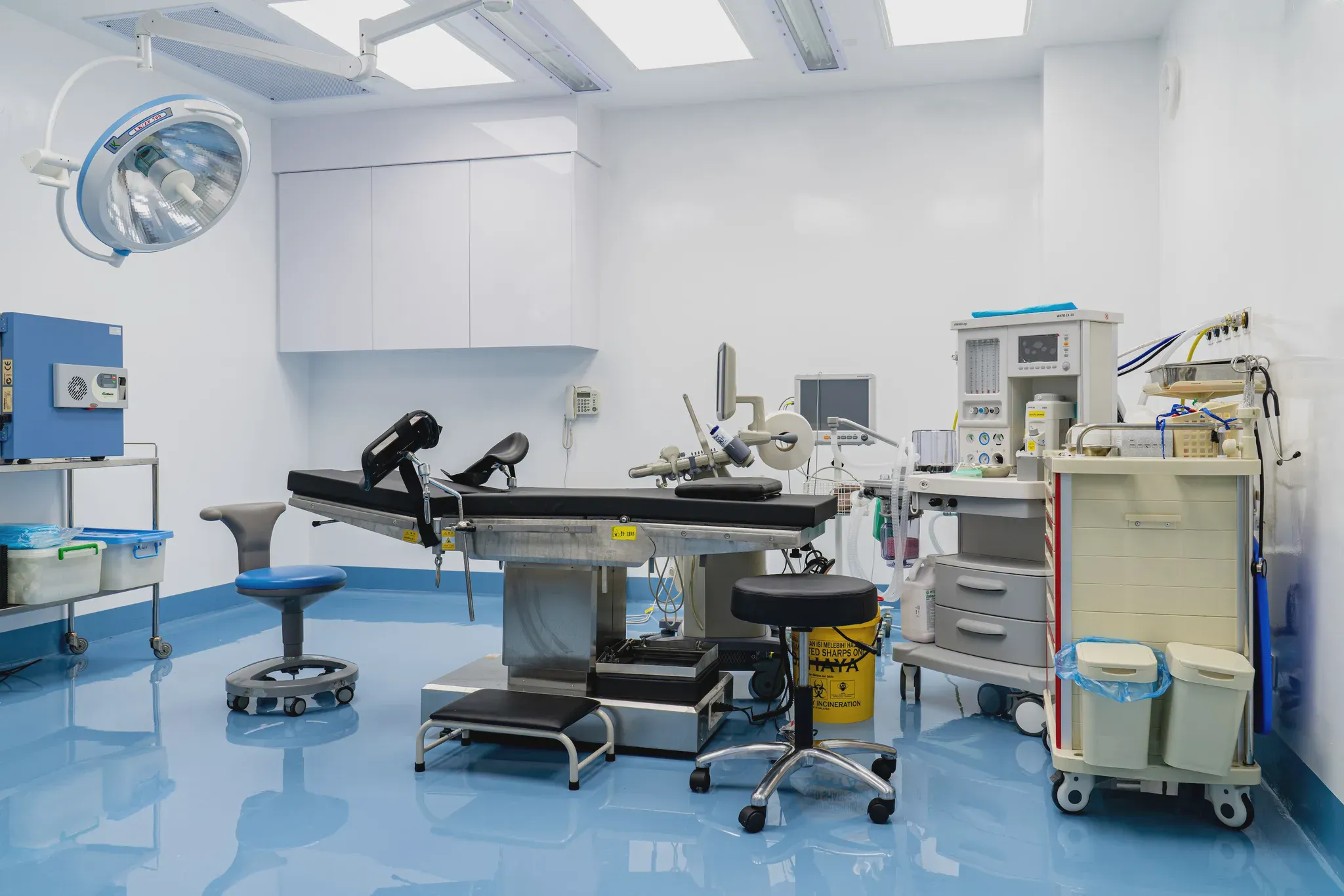
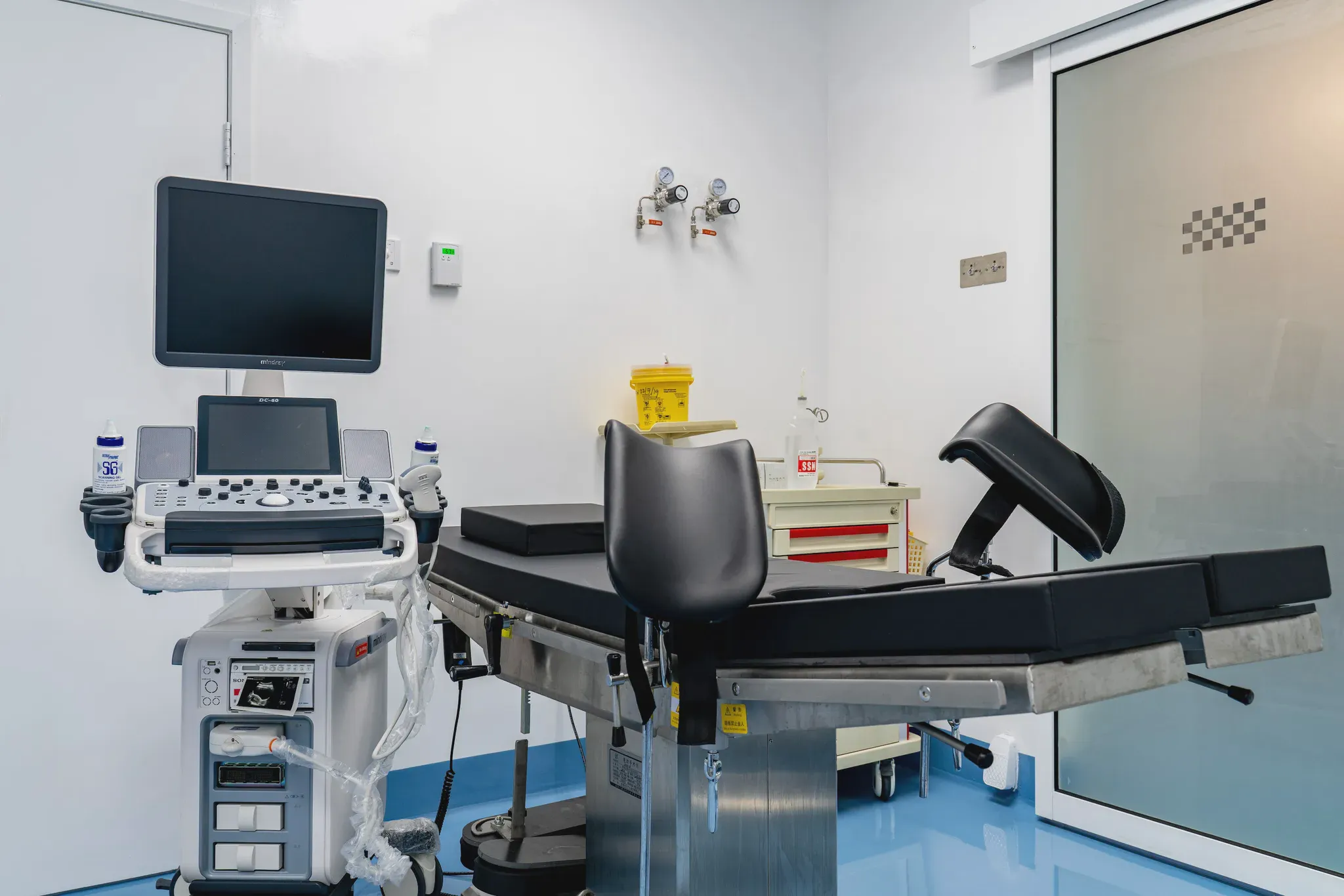
ScaleThe group has cumulatively helped more than 20,000 IVF babies come into the world, with patients served across 51 countries and regions worldwide; its Kuala Lumpur flagship center relocated in 2019 to Encorp Strand Mall in Kota Damansara, Selangor, featuring a built-up area of approximately 2,800 square meters and equipped with integratedEmbryology LaboratoryWith full-process diagnostic and treatment facilities
Global Chain Clinic Network
Leveraging a standardized clinical and diagnostic system, the Group has established chain operations across multiple Southeast Asian countries and set up front-end service nodes in China:
MalaysiaKuala Lumpur Main Hospital (Flagship Center), Johor Bahru Branch, Penang Genesis Center, Kota Kinabalu Branch, Alhaya Kuala Lumpur Center
Singapore: Novena Medical District Branch, located in the heart of Singapore’s core medical cluster, adjacent to Novena MRT Station
IndonesiaSatellite clinics will be established in Jakarta, Surabaya, and Medan to provide fertility screening, basic gynecological services, and IVF referral coordination. A full-service IVF center is planned for the Sanur Special Economic Zone in Bali, scheduled to open in 2026–2027, replicating the main hospital’s laboratory technologies and quality control standards.
PhilippinesManila Branch, Tuguegarao Branch
ChinaEstablish patient service representative offices in Shanghai and Guangzhou to provide pre-visit consultations, medical record assessments, and full-process coordination for treatment visits.
Operations and Service Support
Language Support: Offers multilingual medical consultations in English, Mandarin, Malay, Indonesian, and Tamil, with dedicated international patient coordinators
Supporting Services: Providing end-to-end cross-border services, including airport-hotel-clinic transfers, coordination with partner hotels, medical visa assistance, and remote post-operative follow-up.
Financial Support: Supports credit cards and mobile payments, offering diverse solutions such as 0% interest installment plans, guidance on housing provident fund withdrawals, and tax deduction consultations.
II. Core Medical Team
The core physicians of the group are all specialists in obstetrics and gynecologyReproductive EndocrinologyBoard-certified specialists, supported by dedicated teams in embryology, genetics, andrology, and psychological care, implementing a unified standardized clinical protocol.
Dato’ Dr. Colin Lee Soon Soo | Founder and Group Medical Director
Southeast Asian reproductionA pioneer in the medical field with over 30 years of clinical experience, he has led the clinical application of multiple Southeast Asian and global firsts in reproductive technology, drivingPiezo-ICSI, AI embryo screening, IVA (in vitro ovarian activation), and other technologies have been implemented, with expertise in cases involving advanced maternal age and repeated implantation failure.Refractory infertilityClinical Case Diagnosis and Treatment
Dr. Melanie Kuan Lih Jiun | Consultant Physician, Johor Bahru Branch
Board-certified obstetrician and reproductive endocrinologist responsible for comprehensive diagnosis and treatment of infertility, development of individualized IVF protocols, andMinimally invasive gynecological surgery, with extensive experience in treating cross-border patients.
Embryology and Technology Team
The entire group is staffed with dedicated senior embryologists who implement the group’s unified System-of-Systems®Laboratory quality control standards; the hospital has an independent genetic counseling team to support clinical interpretation and treatment planning for the full range of PGT testing.
III. Full-Category Diagnosis and Treatment Service System
1. Core Assisted Reproductive Technologies
Conventional in vitro fertilization (IVF), Intracytoplasmic Sperm Injection (ICSI, with Piezo-ICSI piezo micromanipulation technology as the standard throughout all cycles), intrauterineArtificial insemination(IUI)
Preimplantation Genetic TestingPGT): CoveragePGT-AChromosome Number Screening, PGT-M for Monogenic Disorders, PGT-SR for Chromosomal Structural Rearrangements, and PGT-HLA for Sibling HLA Matching
Specialized Consultation for Difficult Cases: Individualized Diagnosis and Treatment for Recurrent Implantation Failure, Advanced Maternal Age, Diminished Ovarian Reserve, and Recurrent Pregnancy Loss
IVA (In Vitro Activation) Ovarian Technology: First Clinical Application in Southeast Asia, Providing a Treatment Pathway for Patients with Premature Ovarian Failure and Severely Diminished Ovarian Reserve
2. Fertility preservation
Egg freezing, sperm freezing, and embryo vitrification, supporting medical and social factorsFertility PreservationDemand
Fertility preservation program for oncology patients, including pre-chemoradiotherapy cryopreservation of gametes/embryos
3. Women's Health and Reproductive Surgery
Diagnosis and treatment of common gynecological diseases such as Polycystic Ovary Syndrome (PCOS), uterine fibroids, and endometriosis
Minimally invasive laparoscopic and hysteroscopic surgery, fertility-sparing gynecological oncology surgery
Full-course prenatal checkups and obstetric care services
4. Diagnosis and Treatment of Male Infertility
Comprehensive male reproductive care, including semen function assessment, integrated treatment for oligoasthenoteratozoospermia (OAT), and micro-TESE surgery
IV. Core Clinical Advantages
Top-Tier Laboratory Technology MatrixSince 2014, Piezo-ICSI has been the standard configuration for all ICSI cycles, using piezoelectric pulses to open the oolemma instead of traditional puncturing. This technique achieves an oocyte degeneration rate of only 3.2%, a fertilization rate of 83.1%, and increases the number of available blastocysts by approximately 27%. Cryotec’s vitrification technology is officially certified by the Malaysia Book of Records, achieving a 100% post-thaw survival rate across more than 13,276 consecutive embryos, thereby maximally preserving embryonic developmental potential.
End-to-End Standardized Quality Control SystemThe Group's self-developed System-of-Systems®A comprehensive end-to-end management system unifies standards for clinical operations, laboratory culture, and patient management across all branch clinics, ensuring high consistency in diagnostic and treatment quality across campuses. The hospital is equipped with the Ion Torrent NGS sequencing platform, eliminating the need to outsource PGT samples, thereby shortening turnaround times and reducing sample transportation risks.
Outstanding capability in handling difficult casesWe have established mature clinical pathways for advanced maternal age, recurrent implantation failure, premature ovarian insufficiency, and monogenic genetic disorders. With over 20 world-first breakthroughs in reproductive medicine to date—including successful pregnancies in patients with congenital absence of the vagina and successful preimplantation genetic testing (PGT) outcomes for TBCD gene mutations—our capability in managing complex cases is at the top level within the region.
A mature cross-border healthcare service systemWith a multi-country chain presence and localized service hubs in China, our multilingual coordination team provides end-to-end support. Comprehensive services include airport transfers, accommodation arrangements, medical visa assistance, and a robust post-operative remote follow-up system, ensuring a seamless cross-border medical care process.
Compliance and Governance of Listed GroupsAs a publicly listed healthcare company in Malaysia, our operations, finances, and clinical processes are all subject to the regulations of securities regulatory authorities, ensuring greater transparency and compliance in billing and medical care compared to ordinary private reproductive clinics.
V. Success Rate Data and Scientific Interpretation
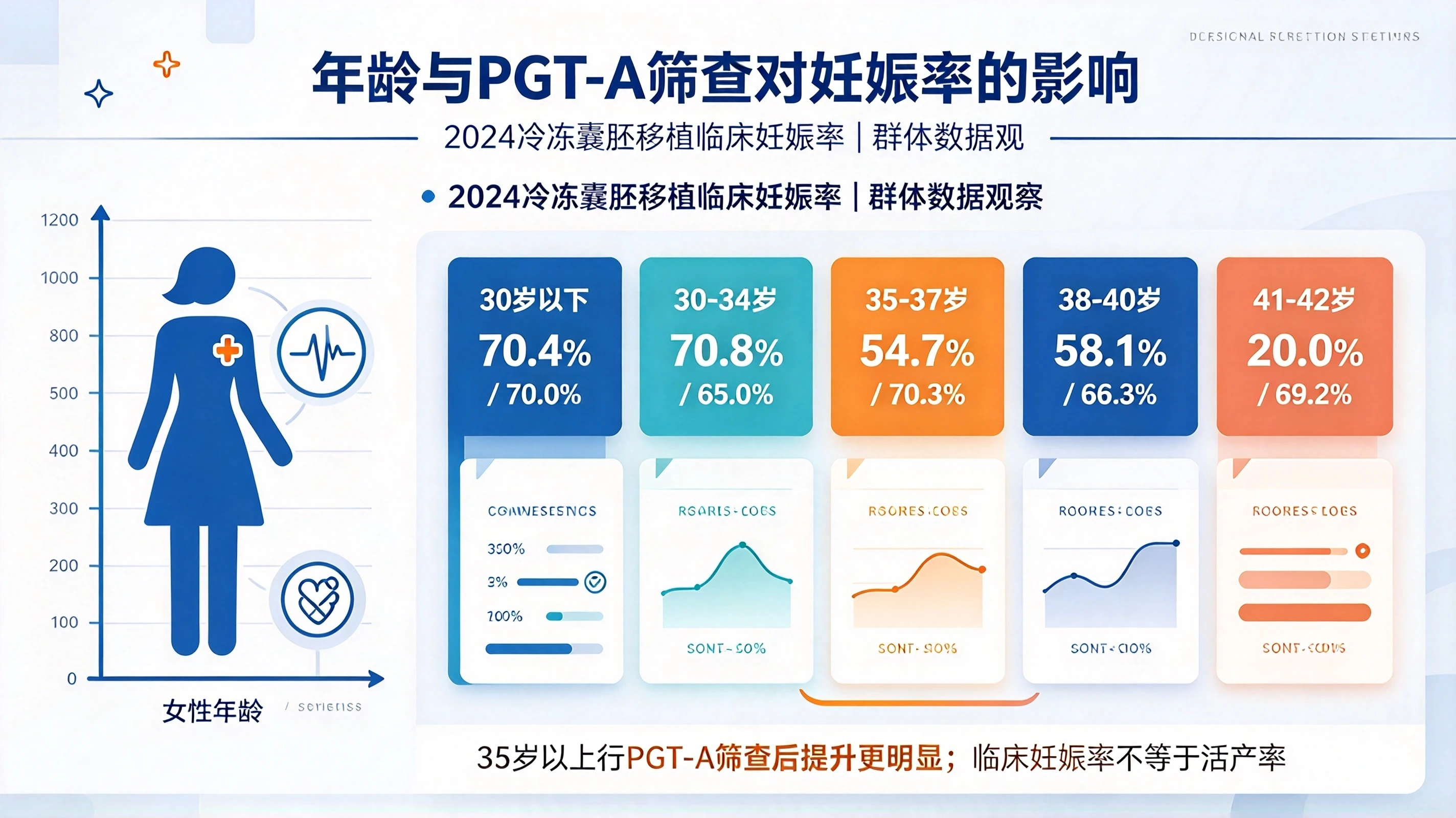
Important Notice: The following are the 2024 frozen blastocyst transfers announced by the groupClinical pregnancy rate(Single embryo transfer, intrauterine gestational sac visible on ultrasound), in accordance with RTAC reporting standards; clinical pregnancy rate is not equivalent to live birth rate, as individual pregnancy outcomes are influenced by multiple factors including age, etiology, ovarian reserve, and sperm quality. Population-level data do not predict individual results.
Clinical Pregnancy Rate of Frozen Blastocyst Transfer in 2024
Patient Age Groups | No PGT-A screening performed | Perform PGT-A screening |
|---|---|---|
Under 30 | 70.4% | 70.0% |
30-34 years old | 70.8% | 65.0% |
35-37 years old | 54.7% | 70.3% |
38-40 years old | 58.1% | 66.3% |
41-42 years old | 20.0% | 69.2% |
43-44 years old | No statistical data | 100%* |
Note: The sample size for the PGT-A group aged 43–44 is limited, and the data are not generally representative. Supplementary data: For high-quality euploid blastocysts screened by PGT-A (transferred within 120 hours post-ICSI following vitrification-warming), the Group reports a clinical pregnancy rate of up to 87.5%.
Interpretation: For patients aged 35 and older, PGT-A screening significantly improves pregnancy rates, demonstrating the core value of genetic screening for advanced maternal age groups; the center’s outstanding performance in PGT-assisted conception among women of advanced maternal age is one of its most significant technical strengths.
VI. Cost Reference and Pitfall Avoidance Tips
The Group does not publish a unified fixed price list. Fees are customized on an individual basis and vary according to factors such as the ovarian stimulation protocol, medication dosage, whether PGT (Preimplantation Genetic Testing) is added, whether special techniques are used, and the source of gametes. A formal written quotation will be provided after the initial consultation and completion of the full set of examinations.
Reference Market Range (Malaysia General Hospital, RMB basis)
Basic IVF + ICSI per cycle: approximately 60,000–90,000 RMB
IVF + ICSI + PGT-A Package: Approximately CNY 90,000–130,000
Egg Freezing Cycle: Approximately 30,000–50,000 RMB (including the first year's storage fee)
Ovulation-stimulating medications: Approximately 10,000–25,000 yuan per cycle, with dosage varying by individual
⚠Fee Risk Alert
Base quotes typically do not include add-on items such as ERA/EMMA endometrial receptivity testing, IVA technology, micro-TESE (microsurgical testicular sperm extraction), additional embryo biopsies, or annual embryo storage fees, all of which are billed separately. Be sure to request a complete, itemized written fee breakdown before your appointment.
Pricing varies significantly across branches in different countries, with the Malaysia headquarters offering the best value for money and the Singapore branch having notably higher prices.
Cross-border medical care requires additional coverage for hidden expenses such as airfare, accommodation, transportation, and visas, necessitating comprehensive budget planning in advance.
VII. Standard Patient Visit Procedure for International Patients
Remote Phase (Completed Domestically)
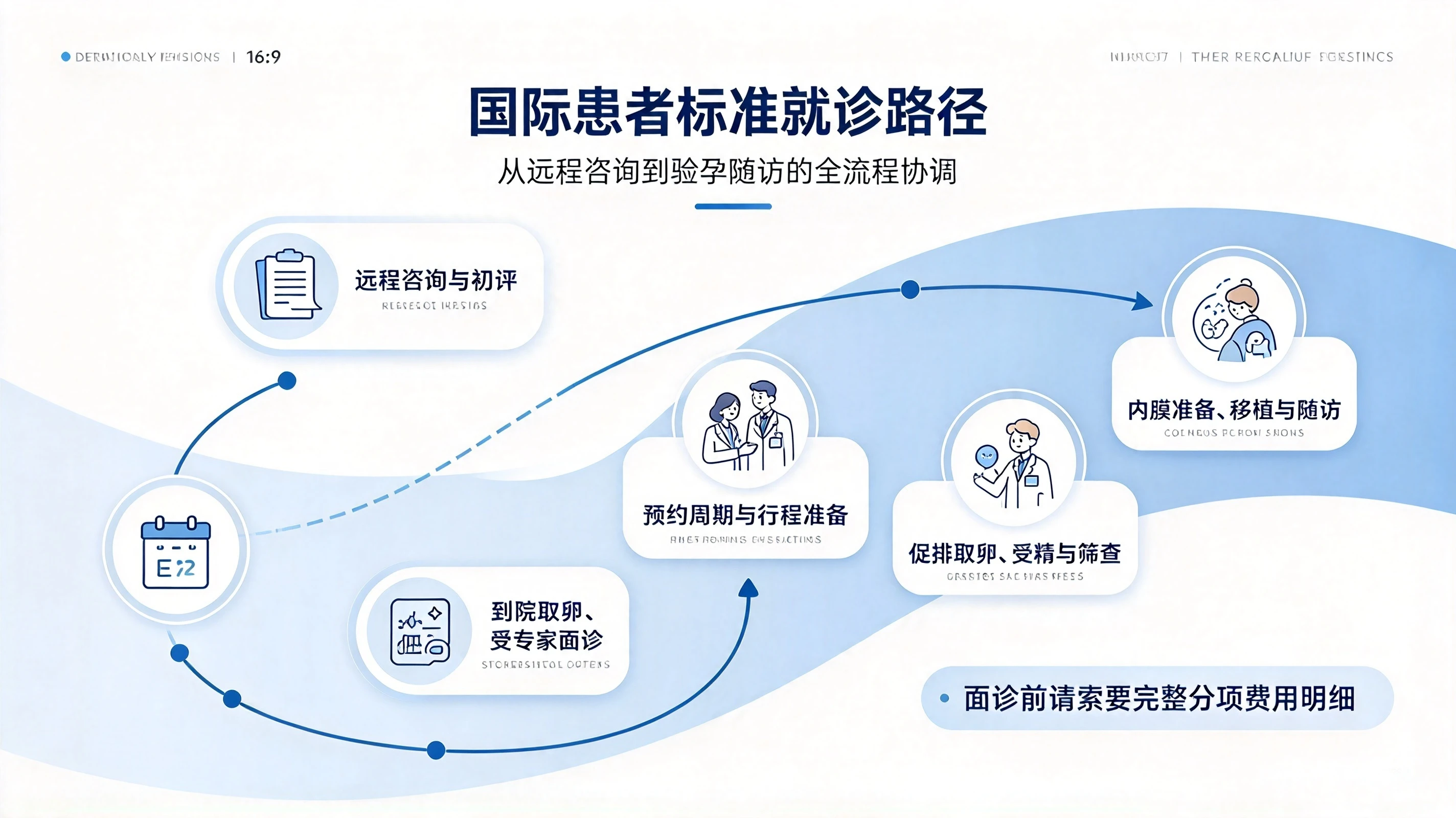
Consultation and Initial AssessmentSubmit previous examination reports (AMH, six sex hormones, uterine ultrasound, semen analysis, etc.), contact the domestic service center or the Group’s International Department to obtain a free preliminary medical assessment and cost estimate
Reservation Cycle: Confirm the treatment plan, schedule in-person consultations and ovarian stimulation appointments based on the female partner's menstrual cycle, apply for a medical visa, and plan the itinerary.
Arrival at the Hospital Stage (Using the Kuala Lumpur Main Hospital as an Example)
Full set of initial diagnostic testsBoth spouses complete fertility assessments, genetic counseling, and preoperative baseline screenings to confirm their physical baseline conditions.
Expert ConsultationA one-on-one consultation with the attending physician to develop a personalized ovarian stimulation and treatment plan, covering the technical approach, risks, and estimated success rates, followed by signing the informed consent form.
Ovulation induction monitoring: Enter the ovarian stimulation cycle, which lasts approximately 8–14 days, with regular monitoring of follicular development via ultrasound and blood tests.
Trigger shot for egg retrievalAfter follicle maturation, a trigger medication is injected, and oocyte retrieval is performed 34–36 hours later via transvaginal ultrasound guidance under intravenous anesthesia.
Fertilization, Culture, and Screening: Piezo-ICSI was used for fertilization, with embryos cultured to the blastocyst stage in a time-lapse incubator; PGT biopsy and vitrification were performed as needed.
Endometrial Preparation and TransplantationEndometrial preparation is performed through natural or artificial cycles, high-quality embryos are selected for transplantation, and post-procedure luteal support is administered as per medical instructions.
Blood test for pregnancy: Approximately 10–14 days after transfer, a blood test for HCG is performed to confirm the pregnancy result.
Follow-up and ReferralDuring the early pregnancy stage, ultrasound monitoring will be conducted to confirm intrauterine pregnancy. Once confirmed, you may return to your home country to continue prenatal care. The Group provides remote prenatal guidance and follow-up support.
VIII. Industry Honors and Patient Reputation
Prestigious Industry-Authoritative Honors
Won the "IVF Center of the Year" award in the Asia-Pacific region by GlobalHealth for seven consecutive years from 2019 to 2025.
Selected as a "Leading Fertility Center in Asia" by Newsweek in 2024
Won the Healthcare Asia "Malaysia Technology Innovation of the Year" Award in 2024 and 2026
Frost & Sullivan "Malaysia Fertility Centre of the Year" in 2018, and recognized as an Outstanding Fertility Service Provider in the Asia-Pacific region for four consecutive years from 2019 to 2022
Malaysia Book of Records Certification: 13,276+ Consecutive Embryos with 100% Freeze-Thaw Survival Rate
In 2025, it received the "Best Fertility Treatment Centre" award from TheAsianparent and the "Best Medical Tourism Experience" award from the Selangor Tourism Awards.
Current Status of Patient Reputation
International patients generally have a positive reputation, with frequent praise focusing on: strong laboratory technology, effective management of advanced maternal age and recurrent failure cases, meticulous coordination team services, and smooth cross-border medical care processes
Negative feedback mainly focuses on: numerous add-ons beyond the basic package, which can easily cause total costs to exceed expectations; and longer wait times for consultations during peak periods.
Disclaimer: Publicly shared success stories typically feature carefully selected high-quality cases, while complex or unsuccessful cases are rarely disclosed. Please approach this information with a rational perspective and rely on your personal in-person consultation for an accurate assessment.
IX. Compliance Red Lines and Clarification of Common Misconceptions
Core Legal Boundaries of Assisted Reproductive Technology in Malaysia
Surrogacy: Malaysian lawA Complete Ban on Commercial SurrogacyThe group does not engage in any form of surrogacy-related business. Surrogacy is also prohibited by law in China; do not easily trust the promotional claims made by third-party intermediaries.
Gender selectionPGT technology is permitted only for medical indications, such as screening for genetic diseases and chromosomal abnormalities.Sex selection for non-medical purposes is illegal.
egg donation and sperm donation: Compliant with the regulatory standards of the Malaysian Ministry of Health, implementing anonymous donation and comprehensive informed consent protocols, and prohibiting the commercialization of gamete transactions.
Fertility PreservationEgg and embryo freezing are legal, supporting fertility preservation needs driven by both medical and social factors.
Service AccessIn principle, legitimate IVF treatments are intended for legally registered married couples; unmarried individuals seeking fertility services should consult in advance to confirm local compliance requirements and associated risks.
Clarification of Common Misconceptions
❌Misconception 1: "IVF in Malaysia allows surrogacy" – Malaysia explicitly prohibits commercial surrogacy, and legitimate medical institutions do not offer such services.
❌Myth 2: "100% embryo survival rate = 100% pregnancy rate"—Embryo survival after thawing only reflects the quality of cryopreservation technology; implantation and pregnancy are also influenced by multiple factors, including endometrial receptivity and hormonal balance.
❌Misconception 3: "PGT guarantees the birth of a healthy baby." PGT only screens for known chromosomal or single-gene abnormalities and cannot rule out all birth defects; standard prenatal check-ups remain necessary during pregnancy.
10. Target Audience and Decision-Making & Action Guide
Priority Recommendation Group
Difficult infertility patients over 35 years old using their own eggs, with repeated embryo transfer failures and diminished ovarian reserve
Families with complex reproductive needs, such as PGT genetic screening, single-gene disease prevention, and HLA matching
Patients who pursue top-tier laboratory technologies and value data-driven evidence and technical expertise
Individuals planning cross-border medical treatment who prefer mature international patient service systems and Chinese-language coordination support
Patients with concurrent gynecological conditions requiring simultaneous surgical treatment who seek one-stop solutions for reproductive and gynecological care
Choose your circle wisely
Patients who are extremely budget-sensitive and cannot accept charges for add-on items or fluctuations in the total cost
Individuals with non-compliant demands such as surrogacy and sex selection for non-medical purposes
Patients with severe internal medical conditions requiring multidisciplinary intensive care
Decision-making and Action Advice: 5 Core Questions to Ask During a Face-to-Face Consultation
Based on my age, AMH level, medical history, and previous failed attempts, what are the estimated clinical pregnancy rate and live birth rate for me?
What items are included in the basic package of the recommended plan? Please list all potential additional fees item by item, and specify the price fluctuation range for the total cost.
Is my situation suitable for PGT? Which type of PGT is recommended? What are the testing platforms, report turnaround times, and protocols for handling abnormal embryos?
What are the storage fees, renewal rules, and overdue handling mechanisms for embryo freezing?
If this cycle fails, how will the costs and treatment plan adjustments for transferring remaining embryos or restarting a new cycle be arranged?
Photos and videos
View all 6 photos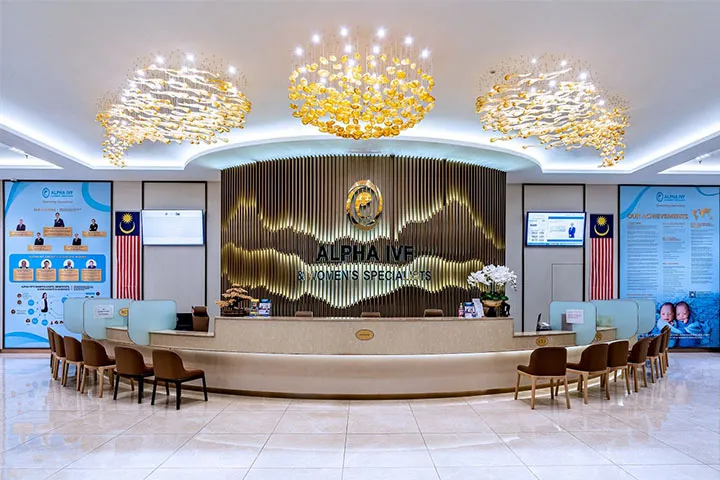
Business Highlights
Core Advantages
Facilities
More
Frequently Asked Questions
The content on this website is general educational material and compiled public information about IVF. It is provided for reference only, does not constitute a basis for diagnosis or medical decision-making, and does not constitute any medical advice or treatment recommendation. For policy and technical requirements, please refer to official publications issued by the relevant authorities and institutions. If you find any content errors, numerical inconsistencies, or outdated information, please contact us so we can verify and update it.