
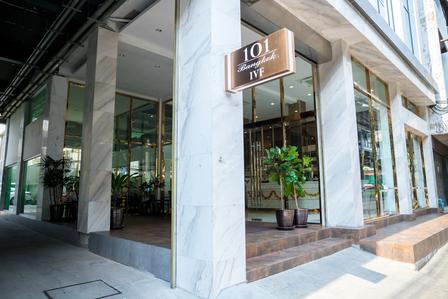

This article cross-validates official public information, rules from Thai regulatory authorities, and industry registration data to objectively present institutional qualifications, capabilities, fees, and risks. It contains no commercial promotion and can serve asIVF in ThailandDecision Reference
【Core Snapshot · Key Information in 30 Seconds】
Institutional Positioning: ThailandBangkokPremium private reproductive medicine clinic, fully licensed by the Thai Ministry of Public Health,No international medical certifications such as JCI, specializing in small-scale, private medical consultations
Core AdvantagesThe founder combinesGynecological LaparoscopyDual expertise in surgery and assisted reproduction enables the integration of gynecological surgery withTest tube babyEnd-to-end closed-loop process, no referral required
Best-fit audience: Cases involving endometriosis, uterine fibroids, and fallopian tube issues that require combined surgical treatment and in vitro fertilizationComplex infertilityPatient
Core Risk WarningPricing differs between foreign and local patients; publicly reported success rates are not stratified by age, leading to significant individual variation; Thailand strictly prohibits commercial surrogacy and non-medical sex selection.
I. Basic Overview of the Organization
Development History and Qualifications
The clinic was formerly known as Worldwide, established in 2012.IVFCenter, completed its brand upgrade in 2019 and officially launched under the name “101 Bangkok IVFThe name is used for external operations and is commonly referred to in Chinese asBangkok Global Reproductive Center/Yuncheng Reproductive Center.
Legitimate QualificationsHolds a practice license for assisted reproductive technology institutions issued by the Thai Ministry of Public Health (MOPH), complying with Thailand's medical regulatory standards.
Certification InstructionsAs of the latest public information verification, this clinic has not obtained JCI international healthcare accreditation. Some third-party promotions are inconsistent with official directories; please verify directly with the clinic before seeking care.
Scale PositioningA small boutique specialty clinic with only two core registered physicians, offering one-on-one private consultations. It is not a large general hospital and does not have a multidisciplinary team consultation system.
Geography and Transportation
The clinic is located in the core area of Sukhumvit Road, Bangkok, at the specific address2358 Sukhumvit Road, Bang Chak, Phra Khanong, Bangkok 10260, Thailand; Located right next to Exit 6 of Punnawithi Station on the BTS Sukhumvit Line, offering convenient transportation and an exclusive on-site parking lot.
Operations and Service Support
Business HoursTuesday to Saturday: 7:00 AM–4:00 PM; Sunday: 7:00 AM–12:00 PM; Closed on Mondays
Language Support: Providing multilingual medical consultations and end-to-end coordination services in Thai, English, Chinese, and Arabic
Official Contact InformationPhone: +66 2 026 3925, Emailnurse@101bangkokivf.com
II. Core Medical Team
The clinic is led by two senior reproductive medicine experts, with a core team each possessing over 20 years of clinical experience. Their approach integrates surgical expertise with an endocrine-focused perspective on patient care.
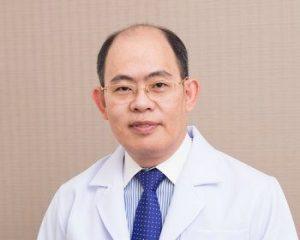
Dr. Thitikorn Wanichkul, MD | Founder and Medical Director
Doctor of Medicine from Prince of Songkla University, Thailand; certified obstetrician and gynecologist by the Medical Council of Thailand. Completed a fellowship at Emory University School of Medicine in the United States.Reproductive Endocrinologystudied and furthered her training in laparoscopic and laser surgery techniques at the Chattanooga Women’s Laser Center in the United States.
With over 20 years of professional experience, he served as the Director of the IVF Center at Phyathai 2 Hospital and Phramongkutklao Hospital in Thailand before founding his clinic.Laparoscopic surgeryPerson in Charge
Core ExpertiseIntegrated care combining gynecological minimally invasive surgery with assisted reproductive technology, enabling the full diagnostic-surgical-IVF continuum for endometriosis, uterine fibroids, ovarian cysts, and tubal issues within a single facility without external referrals—this represents the clinic’s core differentiating value.
Dr. Visut Suvithayasiri, MD | Co-Founder and Director
Medical Doctor from Siriraj Hospital, Mahidol University in Thailand, specializing in reproductive endocrinology and certified in sexual medicine and clinical sexology.
Over 30 years of clinical experience in obstetrics, gynecology, and reproductive endocrinology
Core ExpertiseComprehensive diagnosis and treatment of infertility, male reproductive health assessment and sexual health interventions, with a focus on endocrine regulation and treatment of male-factor infertility
III. Full-Category Diagnosis and Treatment Service System
1. Core Assisted Reproductive Technologies
Conventional in vitro fertilization (IVF)Simulates the logic of natural conception, with sperm and egg combining naturally in vitro; suitable for mild infertility primarily caused by female factors
Intracytoplasmic Sperm Injection (ICSI): Select high-quality oocytes and sperm; perform intracytoplasmic sperm injection (ICSI) for fertilization. Suitable for cases of oligoasthenozoospermia, fertilization failure, and other related conditions.
Intrauterine Insemination (IUI): Intrauterine insemination after optimized sperm processing, suitable for mild infertility and cervical factor infertility
Preimplantation Genetic Testing (PGT)Utilizing Next-Generation Sequencing (NGS) technology to screen for chromosomal numerical and structural abnormalities as well as monogenic genetic disorders, thereby reducing the risks of miscarriage and birth defects.
Fertility Preservation: Egg freezing and sperm freezing, including corresponding storage services, suitable for individuals who plan to marry or have children later in life or require chemotherapy or radiotherapy
Comprehensive Fertility Assessment: Covers multidimensional examinations including hormone levels, imaging, semen analysis, and chromosome testing to create personalized treatment plans
2. Distinctive Functional Medicine Conditioning
The clinic specializes in an integrated model combining "reproductive treatment + foundational conditioning," complemented by pre-conception health management programs to improve fertility conditions at the basic physical level:
Hormonal Balance Regulation and Menopause Health Management
Male Sexual Health Assessment and Intervention
Body Detoxification and Conditioning, Chronic Pain Management
Overall Optimization of Preconception Health
IV. Core Clinical Advantages
Integrated Closed-Loop Diagnosis and Treatment: Surgery + IVFOur core physicians hold dual qualifications in minimally invasive gynecological surgery and reproductive medicine. For infertility caused by complex gynecological conditions, they provide a seamless, end-to-end care pathway—including preoperative assessment, surgical treatment, postoperative recovery, and IVF assistance—all within a single facility, thereby eliminating the time costs and fragmented care plans associated with referrals between institutions.
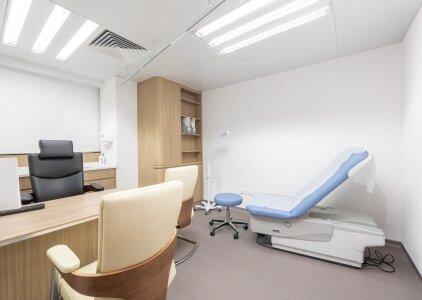
Independent High-Standard Embryo LaboratoryEquipped with state-of-the-art medical devices and a professional embryology team, the facility independently performs full-process technical operations including embryo culture, micromanipulation, and NGS genetic screening, ensuring optimal embryo culture conditions and operational precision.
Efficient and Rapid Diagnostic ChannelBasic fertility tests (including hormone panels and semen analysis) can yield preliminary results within two hours, effectively shortening the diagnostic and treatment waiting period and reducing international patients' length of stay in Thailand.
Highly Individualized Diagnostic and Treatment PlansReject standardized, one-size-fits-all protocols; customize ovarian stimulation and embryo transfer plans based on the patient’s age, ovarian reserve, cause of infertility, and physical tolerance, while simultaneously integrating functional medicine to optimize the underlying conditions for fertility.
End-to-End International Patient ServicesEquipped with a multilingual medical and coordination team, we support cross-border remote consultations, clinical referrals, and post-operative follow-ups to ensure smooth communication for international patients.
V. Success Rate Data and Scientific Interpretation
Important NoticeIn the field of reproductive medicine, success rates are typically categorized into "clinical pregnancy rate" (confirmed by ultrasound visualization of an intrauterine gestational sac) and "live birth rate" (successful delivery of a live infant). Most institutions publicly report clinical pregnancy rates, which are generally higher than live birth rates; therefore, these figures should not be directly equated with the probability of ultimately taking home a baby.
1. Officially published data from the clinic
According to the FAQ published on the clinic’s official website:
The success rate of IUI (Intrauterine Insemination) is approximately 40%-50%.
The success rate of ICSI (Intracytoplasmic Sperm Injection) cycles is approximately 60% to 70%.
The data are not explicitly annotated with the corresponding patients' age, baseline physical condition, or etiological screening criteria. They likely pertain to a cohort of young, physically fit, high-quality patients and lack generalizability; therefore, they should be interpreted with caution.
2. Authoritative industry reference data for Thailand
Based on the annual assisted reproductive technology (ART) registry data published by the Royal Thai College of Obstetricians and Gynaecologists (RTCOG) and the Thai Society of Reproductive Medicine (TSRM), the reference range for the average clinical pregnancy rate at accredited reproductive centers in Thailand is as follows, offering greater generalizability and reference value:
Patient Age Groups | Reference Range for Clinical Pregnancy Rate |
|---|---|
Under 35 years old | 50% - 55% |
35 - 37 years old | 40% - 45% |
38 - 40 years old | 30% - 35% |
40+ years old (own eggs) | 14% - 18% |
Egg Donation for Women Over 40 | 60% - 75% |
3. Core Factors Affecting Success Rate
Individual success rates are influenced by multiple factors, including ovarian reserve (AMH), the underlying cause of infertility, embryo quality, whether PGT screening is performed, the suitability of the physician's treatment protocol, and the endometrial environment, resulting in significant variability. The most accurate assessment requires a comprehensive review of individual medical reports, followed by a personalized estimate provided by a physician after an in-person consultation.
VI. Cost Reference and Pitfall Avoidance Tips
The clinic does not publish a complete official price list through public channels. The information below is compiled based on publicly available details from the clinic's official website and market rates for comparable specialty clinics in Bangkok. Final costs are subject to the formal written quotation issued by the clinic.
Project-by-Project Reference (in USD)
Basic IVF cycle: Approximately $3,500 - $5,500
IVF + ICSI combined protocol: approximately $4,500 - $6,000
IVF + ICSI + PGT-A Embryo Screening: Approximately $6,000 - $8,500
Egg Freezing Cycle: Approximately $2,500 - $3,500 (including the first year's storage fee)
Ovulation Induction Medications: Typically billed separately, costing approximately $800–$1,500 per cycle, with dosage varying by individual.
Other Currency References
RMB basisThe total cost of a complete third-generation IVF cycle (including PGT) generally ranges from 60,000 to 120,000 RMB. This includes approximately 5,000 to 10,000 RMB for pre-treatment examinations, 15,000 to 30,000 RMB for ovulation induction medications, and 20,000 to 40,000 RMB for PGT testing.
Thai baht denominationAccording to the clinic’s official website FAQ, the basic ICSI package costs approximately 250,000 Thai baht; NGS genetic screening incurs additional fees, and the complete cycle including medication and transfer typically ranges from 350,000 to 680,000 Thai baht in the market.
⚠Cost Risk Warning: Some patients have reported that the clinic charges different prices for the same packages for local Thai residents and foreign patients, with no corresponding additional value-added services provided to foreign patients. It is strongly recommended that you request a detailed price list before your visit.A complete, written, itemized breakdown of feesConfirm the pricing rules for foreign patients and all implicit fees (e.g., anesthesia, annual embryo freezing, pregnancy tests).
VII. Standard Patient Visit Procedure for International Patients
Remote Phase (Completed Domestically)
Consultation and Initial AssessmentSubmit previous test reports (including the six hormone tests, AMH, semen analysis, and uterine ultrasound) and coordinate remotely with the clinic to obtain a preliminary treatment plan and cost estimate.
Reservation CycleConfirm the treatment plan, schedule in-person consultations and ovulation induction appointments according to your menstrual cycle, and complete pre-visit preparations.
Arrival at the facility (completed in Thailand)
Initial Examination: Visit the clinic to complete a basic fertility re-evaluation and any necessary supplementary tests, with preliminary results available in approximately 2 hours.
Expert ConsultationOne-on-one consultation with the attending physician to confirm the final treatment plan and sign the informed consent form
Cyclical therapy: Enter the ovulation induction cycle according to the protocol, monitor follicular development regularly via ultrasound, and perform egg retrieval/sperm collection once mature.
Embryo Culture and ScreeningThe embryology laboratory performs in vitro fertilization and embryo culture, with preimplantation genetic testing (PGT) available on demand.
Embryo transferSelect high-quality embryos for transfer into the uterus, and follow the doctor's instructions for luteal phase support after the procedure.
Pregnancy Testing and Follow-up: Blood pregnancy test approximately 14 days post-transplantation; upon confirmation of pregnancy, provide luteal phase support guidance and arrange subsequent follow-up.
VIII. Current Status of Patient Reputation and Reviews
The overall rating on public platforms is approximately 4.5/5, based on around 17 valid reviews. The general reputation is positive, butThe sample size is very limited.
High-frequency positive feedback: friendly and patient medical staff, thorough and comprehensive doctor consultations, smooth team collaboration, and high efficiency in diagnosis and treatment
Information limitations: Public reviews mostly highlight successful cases of mild conditions, lacking detailed accounts of complex or failed cases, making it difficult to fully verify its actual capability in handling challenging medical conditions. Reference should be made with rationality.
IX. Compliance Red Lines and Clarification of Common Misconceptions
Core Legal Boundaries of Assisted Reproductive Technology in Thailand
SurrogacyThailand’s laws explicitly prohibit commercial surrogacy, allowing only Thai married couples to apply for altruistic surrogacy involving relatives under strict conditions.Any form of surrogacy by foreigners in Thailand is illegal..
Gender selectionPGT technology may only be used for genetic disease screening based on medical indications.Gender selection without medical necessity is illegal..
Egg donation / Sperm donation: It must be legally compliant and carried out through legitimate medical channels. Thai donors must have no familial relationship with the recipients, and commercial buying or selling of gametes is prohibited.
Embryo cryopreservationLegal; the specific retention period is subject to the clinic’s internal policies.
Partner AccessOn the legal level, legitimate assisted reproductive services in Thailand are, in principle, available only to legally married couples. While some clinics may offer flexible arrangements for unmarried individuals or same-sex partners in practice, this is not explicitly permitted by law; therefore, prospective patients should confirm compliance requirements and associated risks with the institution prior to seeking treatment.
Clarification of Common Misconceptions
❌Myth 1: "Gender can be freely selected in IVF in Thailand"—Chromosomal information is only provided for medically necessary genetic disease screening; non-medical gender selection is illegal.
❌Myth 2: "This clinic holds JCI International Accreditation"—No record of such accreditation is found in the official public directory of JCI.
❌Misconception 3: “A 70% success rate means I have a 70% chance of succeeding” – Success rates are population-based statistics; individual outcomes vary greatly and should be assessed based on personal factors such as age and ovarian function.
10. Target Audience and Decision-Making & Action Guide
Priority Recommendation Group
Complex infertility patients with combined gynecological conditions such as endometriosis, uterine fibroids, ovarian cysts, and tubal blockage/hydrosalpinx who require surgical intervention combined with IVF treatment.
Patients who prefer private, one-on-one consultations and personalized treatment plans, rather than the environment of large general hospitals
International patients who require multilingual services and prefer an efficient, streamlined clinical process
Choose your circle wisely
Patients who highly value international healthcare accreditations such as JCI and require support from multidisciplinary team consultations
Patients with severe comorbid internal diseases, advanced age, high risk, and requiring comprehensive emergency medical care
Patients with extremely high demands for fee transparency who cannot accept price discrepancies between internal and external pricing
Decision-making and Action Advice: 5 Core Questions to Ask During a Face-to-Face Consultation
Based on my age, AMH level, and infertility diagnosis, what are the estimated clinical pregnancy rate and live birth rate for me?
What items are included in the complete package? What is the final total cost for foreign patients? Are there any hidden fees?
Does my condition require surgical intervention for preparation first? How should the timelines for surgery and IVF be arranged?
What are the culture systems in the embryology laboratory and the technology platforms for PGT testing, respectively?
Is there a refund policy in place after a cycle failure? What are the regulations regarding the storage fees and duration for frozen embryos?
Photos and videos
View all 4 photos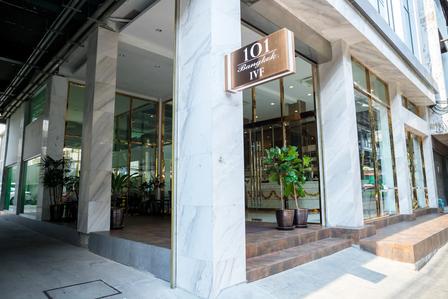
Business Highlights
Core Advantages
Facilities
More
Dr. Thitikorn Wanichkul, MD — 101 Bangkok IVF
101 Bangkok IVF Official Website (Contact Us Page)
101 Bangkok IVF Official Website (FAQ Page)
Official Website of the Royal Thai College of Obstetricians and Gynaecologists
Reproductive Health Bureau, Ministry of Public Health, Thailand - Official Website
Annual Report on Assisted Reproductive Technology Registration in Thailand
Reference to the Fee Structure of Global Reproductive Centers in Bangkok, Thailand (2023)
Frequently Asked Questions
The content on this website is general educational material and compiled public information about IVF. It is provided for reference only, does not constitute a basis for diagnosis or medical decision-making, and does not constitute any medical advice or treatment recommendation. For policy and technical requirements, please refer to official publications issued by the relevant authorities and institutions. If you find any content errors, numerical inconsistencies, or outdated information, please contact us so we can verify and update it.